



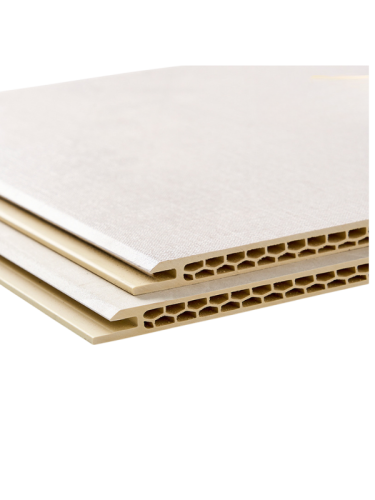
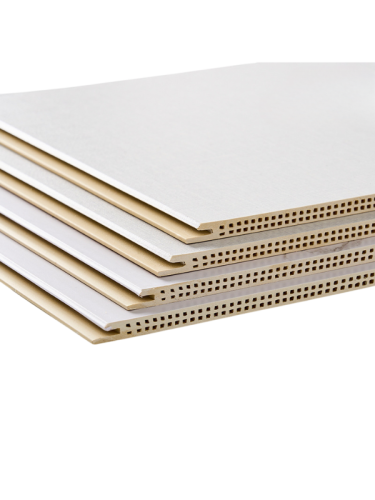
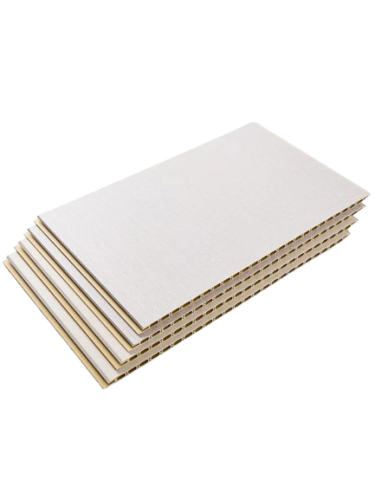
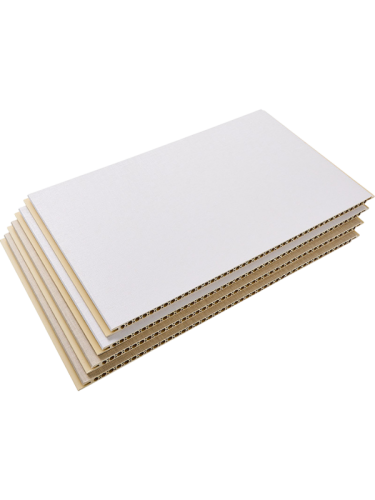






PVC vs WPC vs SPC Wall Panels: Which One Wins for Your Project?
-
 By Sytech
-
 09 Jun, 2026
-


If you need the short answer: choose PVC for the lowest cost in dry-to-wet residential interiors, WPC when you want a warmer, more upscale look for feature walls and hospitality projects, and SPC when the wall takes abuse — corridors, retail, schools, or anywhere impact resistance matters. All three are 100% waterproof, but they behave very differently on density, weight, finish, and price, and those differences are exactly what decides the right pick for your project.
The 30-Second Material Breakdown
Before comparing performance, it helps to know what’s actually inside each panel — because the core composition drives every property that follows.
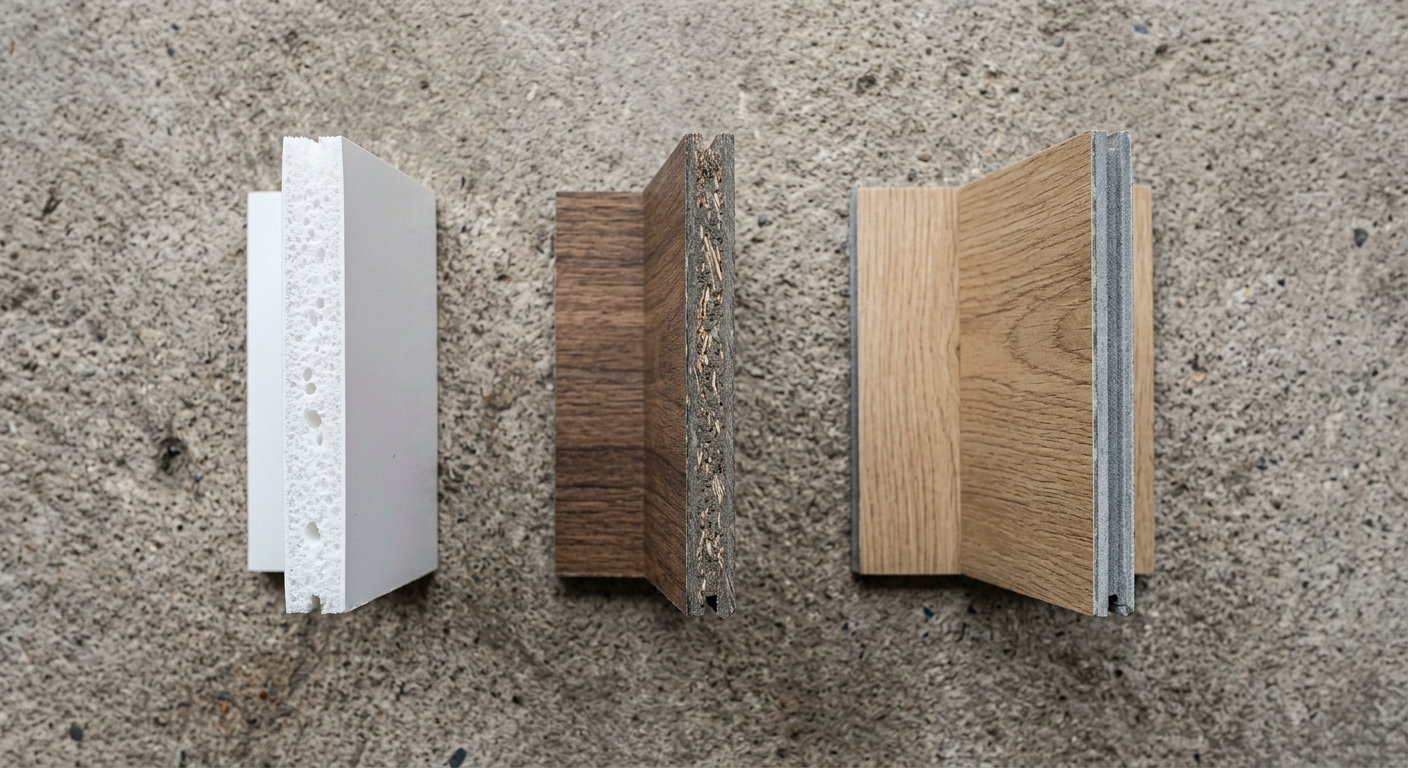
PVC wall panel
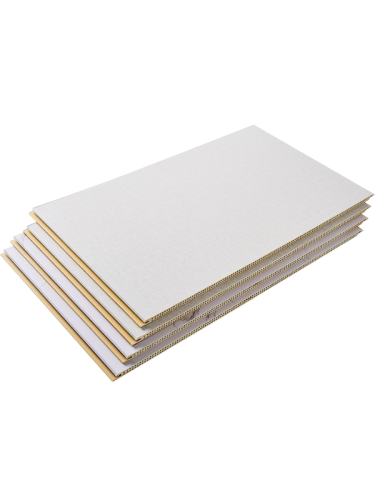
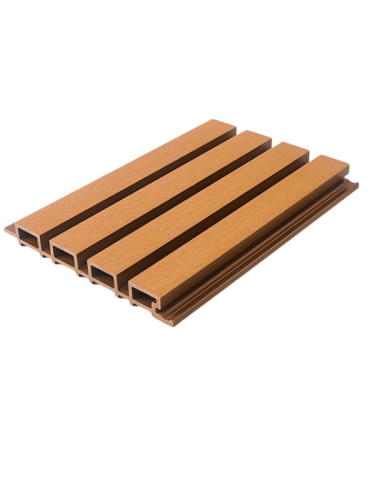
Pure polyvinyl chloride foamed with additives. Lightweight, hollow or foam-core, and the cheapest to produce. Think of it as the workhorse of budget interior cladding.
WPC wall panel
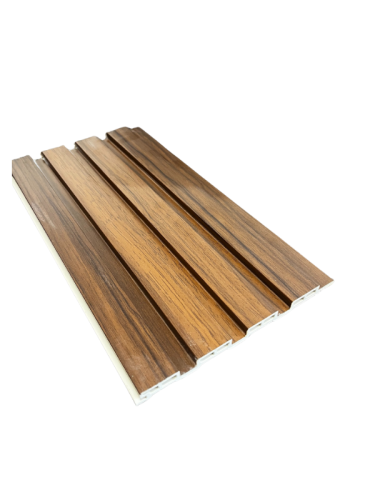
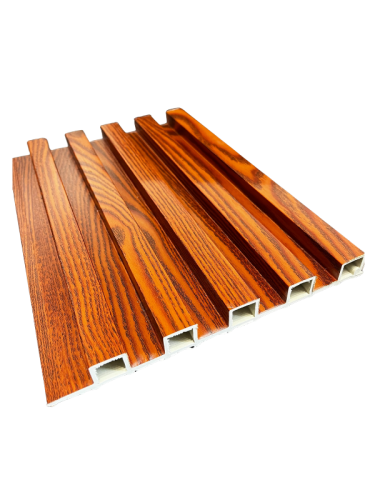
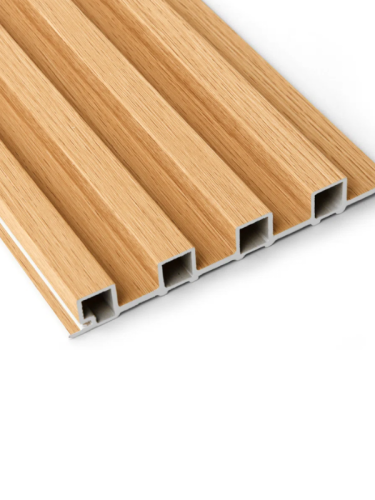
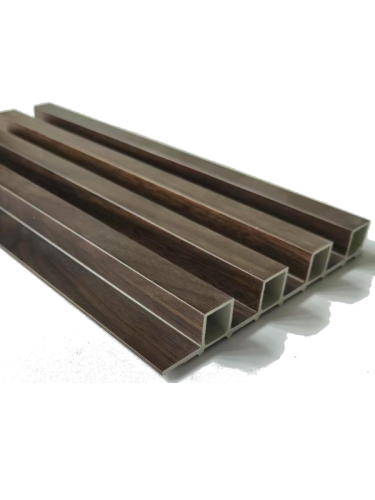
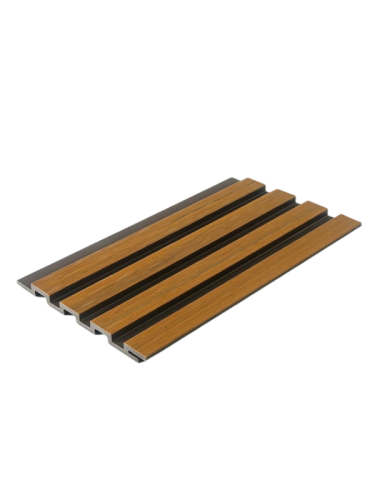
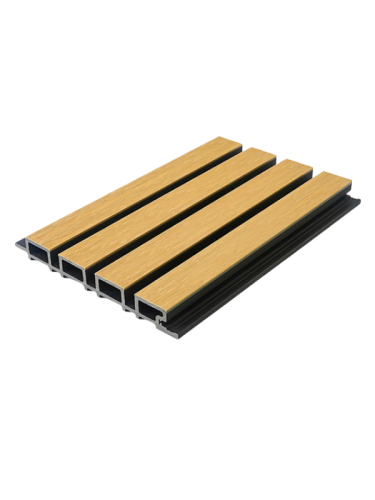
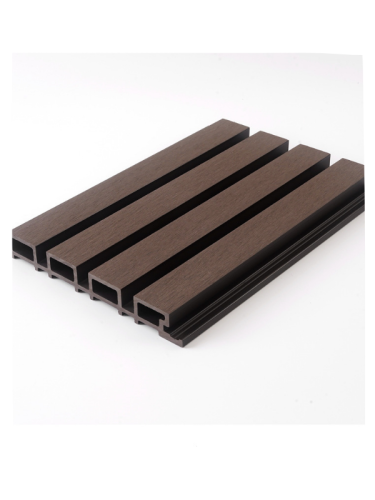
Wood-Plastic Composite — typically 60–70% PVC mixed with wood flour and processing aids. The wood content gives it a denser, warmer feel and a natural matte surface that closely mimics real timber.
SPC wall panel
Stone-Plastic Composite — roughly 60–75% calcium carbonate (limestone powder) bound with PVC and stabilizer. This is what makes SPC the heaviest, hardest, and most dimensionally stable of the three.
Same PVC backbone, three very different fillers — and that single variable explains 90% of what you’ll read below. Browse our full range of wall panel products to see each category in context.
Cost: What You’ll Actually Pay Per Square Meter
Price is usually the first filter, so let’s be specific. For a typical 600mm-wide panel at standard export thickness, FOB China pricing in 2026 looks roughly like this:
- PVC: $3.5–$6.5 / m² — the easy budget choice
- WPC: $7–$14 / m² — depending on thickness and surface treatment
- SPC: $9–$18 / m² — heaviest filler, highest shipping cost share
But list price alone is misleading. SPC is heavy, so a 40HQ container holds fewer square meters than a PVC load — meaning freight per m² rises. PVC, by contrast, ships cheap but takes up volume. For a distributor sourcing 2–3 containers a quarter, the landed cost gap between PVC and WPC narrows more than spec sheets suggest.
Rule of thumb: if your project budget is the deciding factor and the wall doesn’t get touched much, PVC wins. If finish quality matters to the end client, the upgrade to WPC is almost always worth it.
Durability and Impact Resistance: Where SPC Pulls Ahead
Here’s the test that separates these three quickly: drop a hammer on each. PVC dents. WPC marks but absorbs the blow. SPC barely registers.
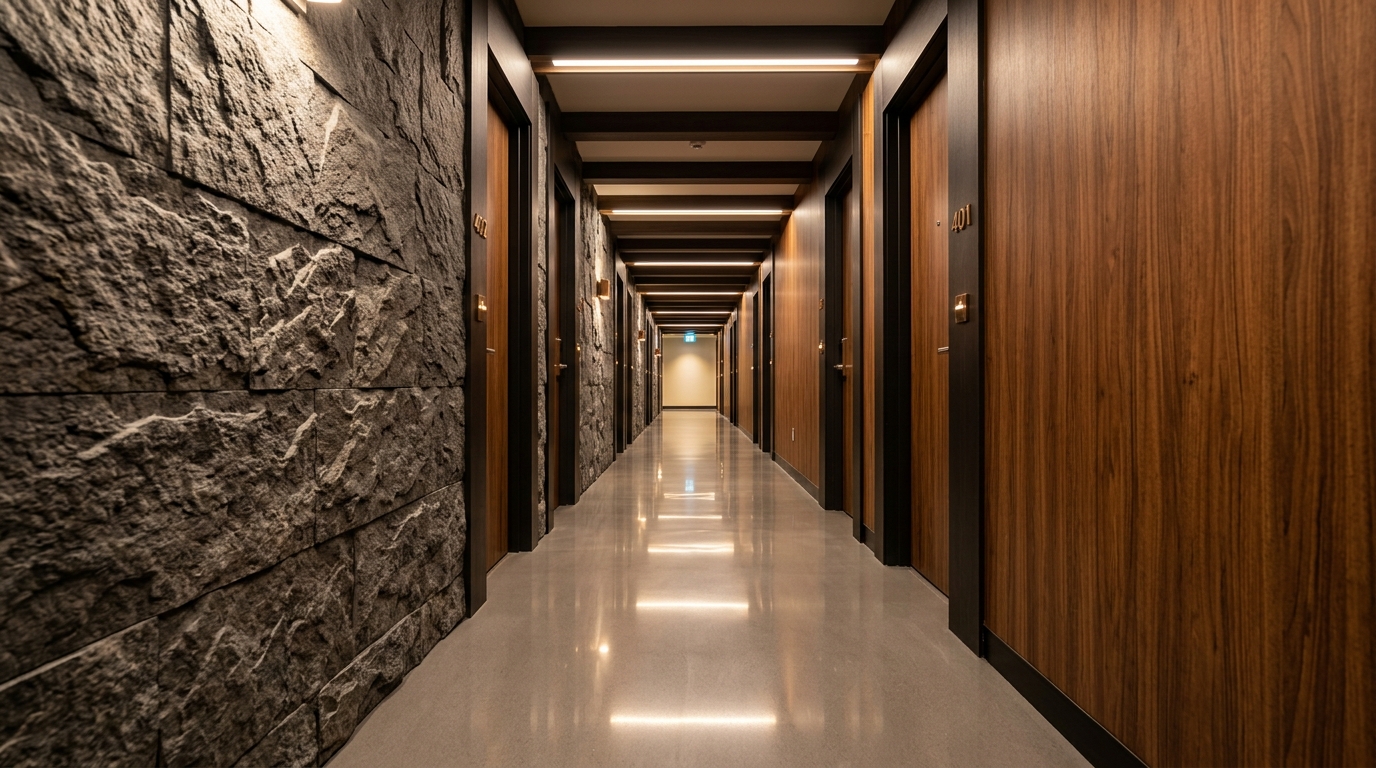
SPC’s limestone-loaded core gives it a Janka-equivalent hardness several times that of PVC. That’s why we recommend it for corridors in schools, hotel back-of-house, gyms, and retail fit-outs where carts, chairs, and cleaning equipment constantly bang into walls. PVC, by contrast, is fine in a bathroom or guest bedroom — somewhere nothing heavier than a towel hits the wall.
WPC sits comfortably in the middle. A typical 9mm WPC wall panel handles normal commercial wear well, and its slight surface give actually helps it shrug off scuffs that would scratch a hard SPC face.
Real example
A Southeast Asian hotel group we supplied recently used three panels in one property: PVC in staff bathrooms (cheap, replaceable), WPC across guestroom feature walls (warm, photogenic), and SPC in service corridors where housekeeping carts run all day. One supplier, three materials, each placed where it earns its keep.
Looks and Surface Finish: Wood, Stone, or Print?
The honest truth: clients judge wall panels with their eyes first, then their wallet. So what each material can convincingly look like matters.
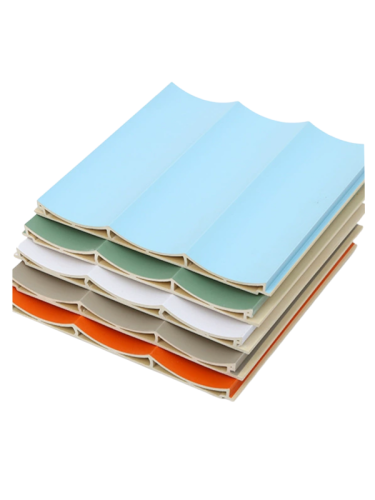
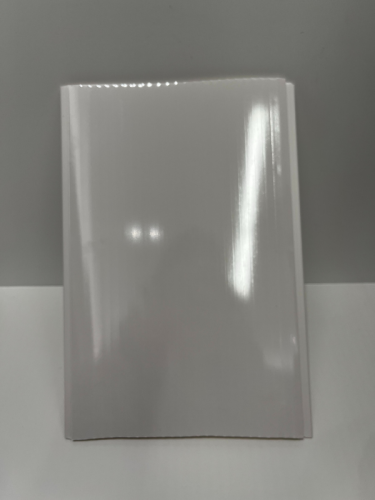
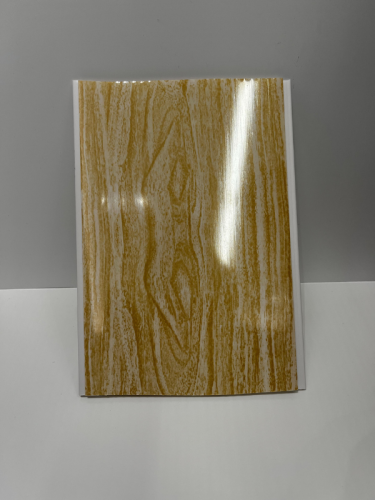
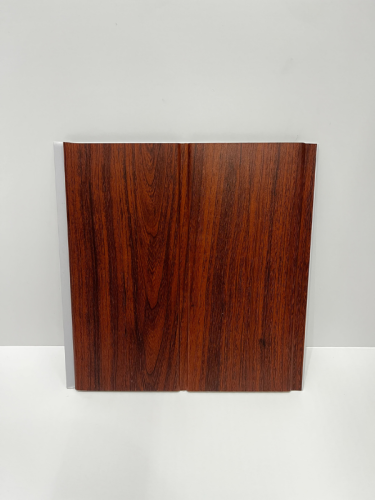
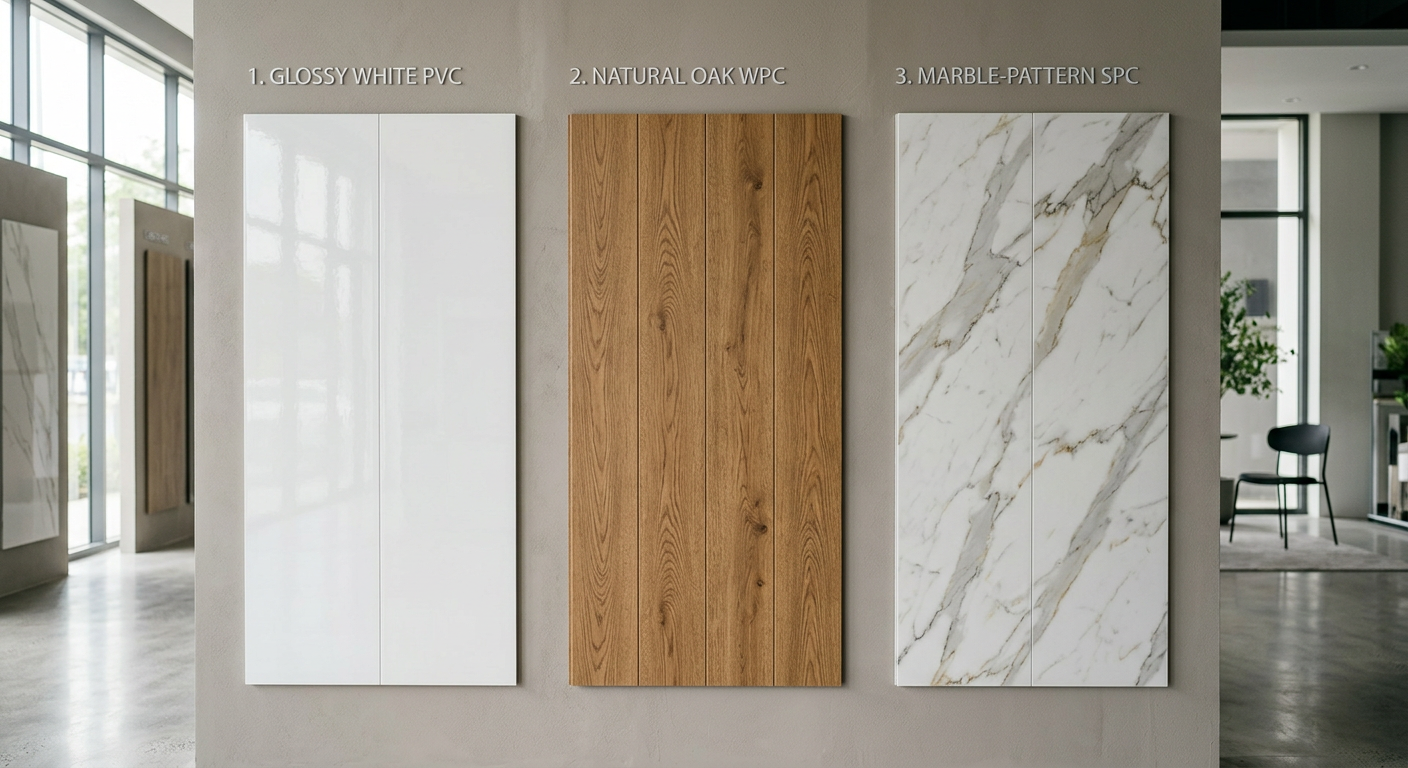
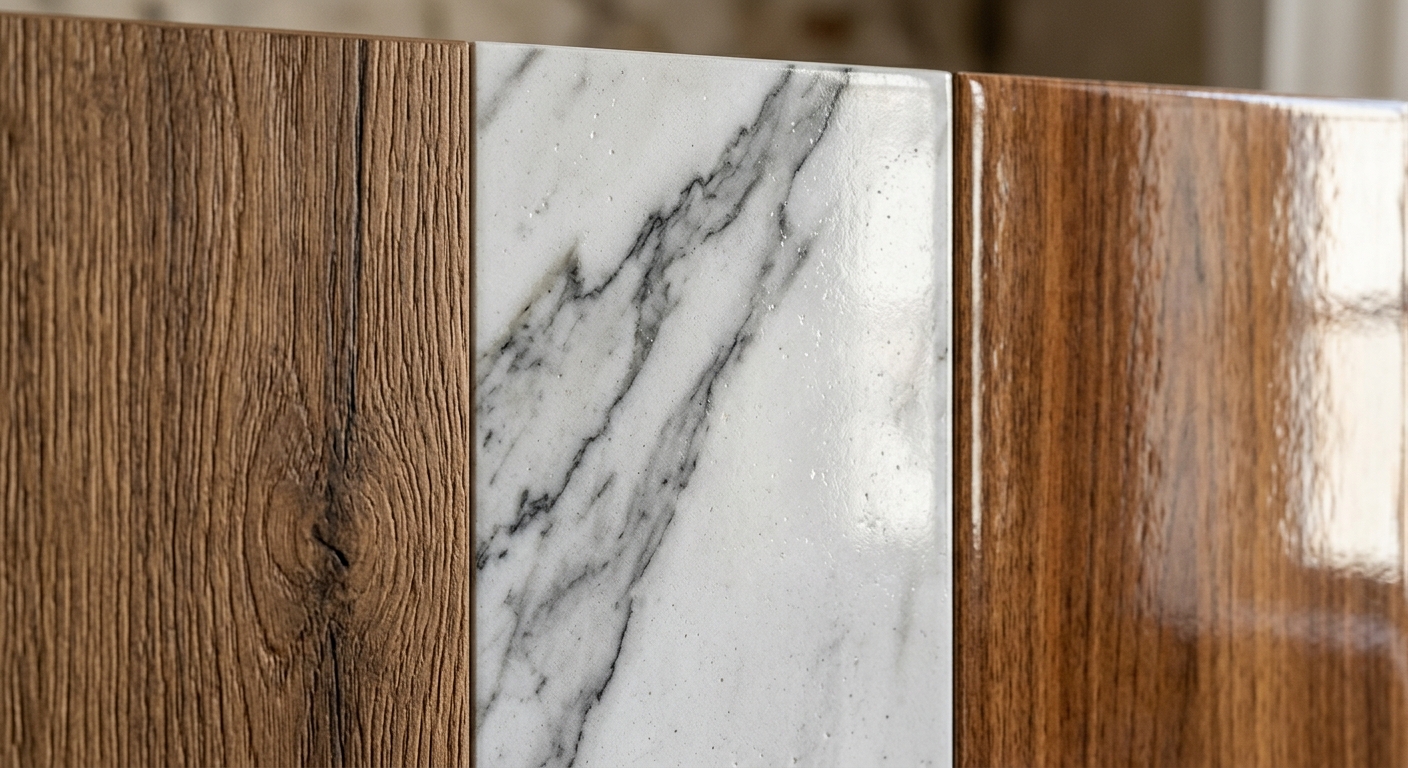
- PVC relies on UV-printed films or laminated decor papers. It can imitate almost any pattern — wood, marble, fabric — but under close inspection it reads as printed. Glossy finishes work well; deep matte less so.
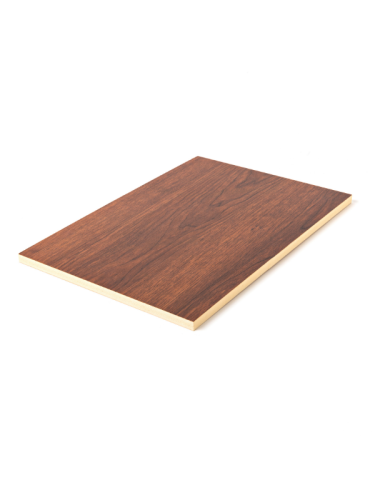
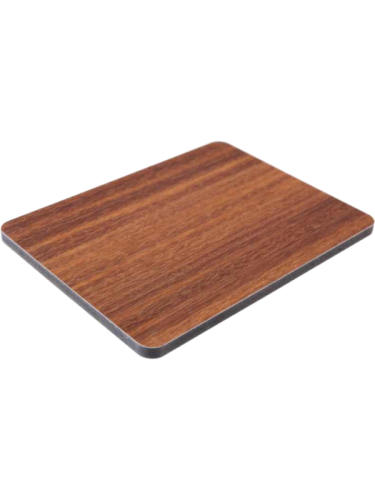
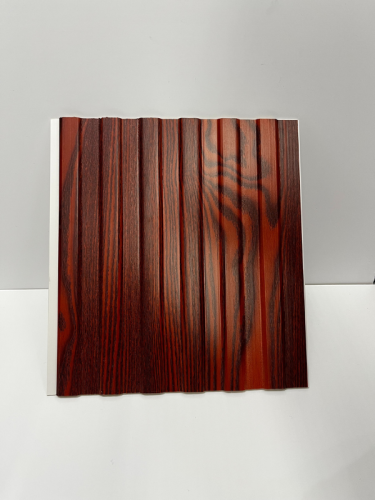
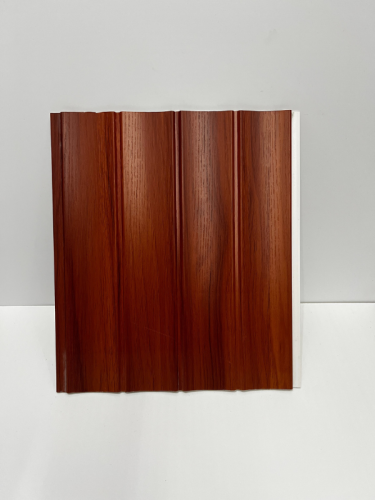
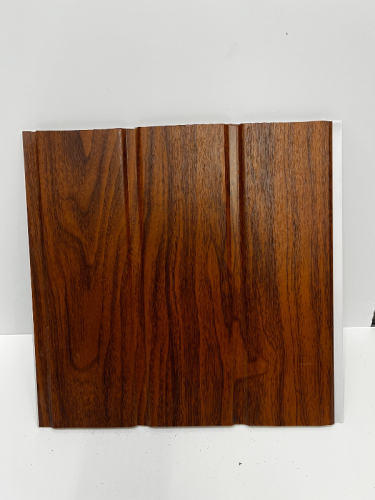
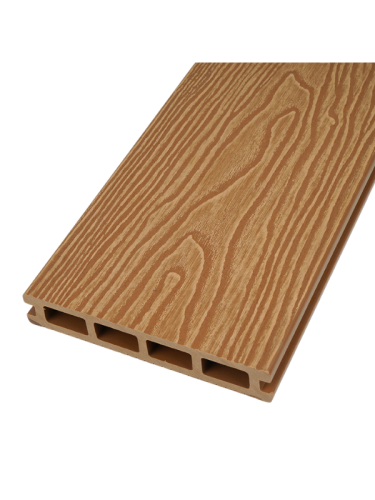
- WPC takes embossing beautifully. Synchronized wood-grain texture on a WPC surface looks and feels remarkably close to real engineered timber. This is the panel for boutique hotels, restaurants, and showrooms where guests can touch the wall.
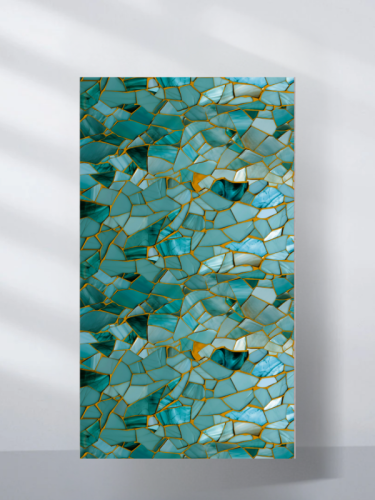
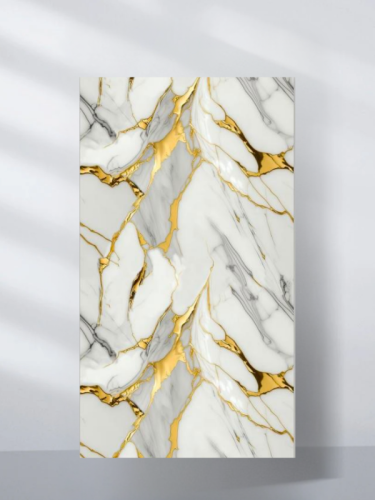
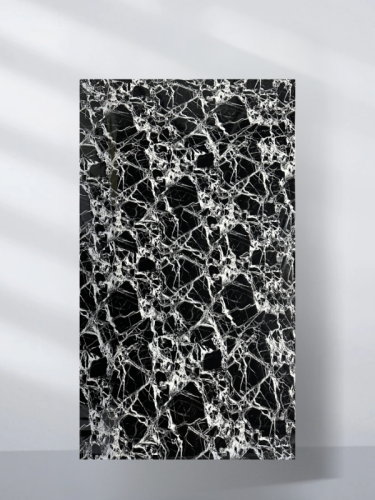
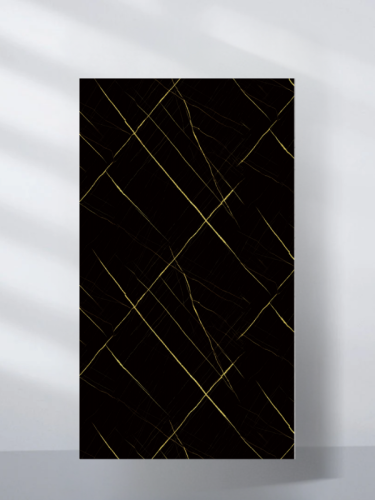
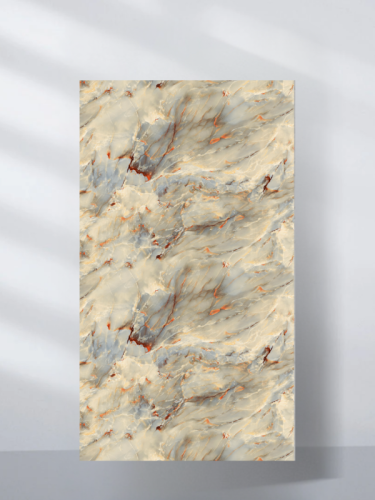
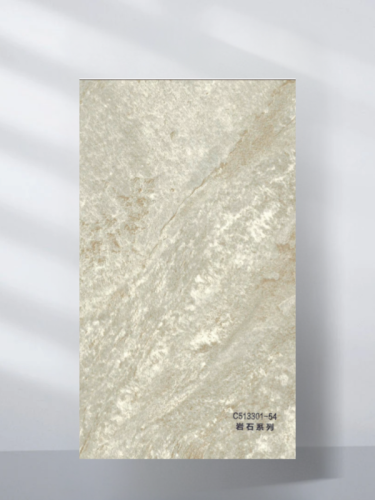
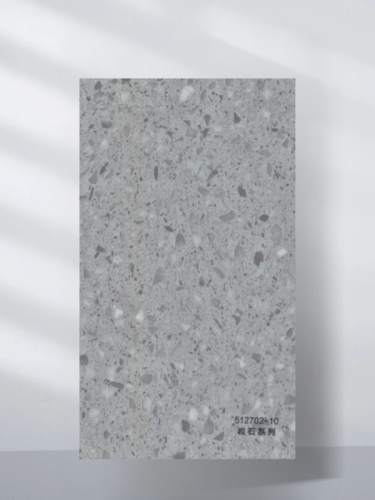
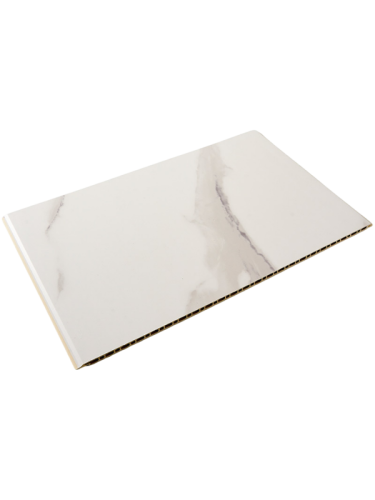
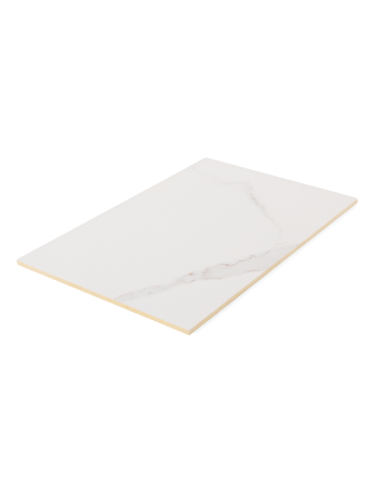
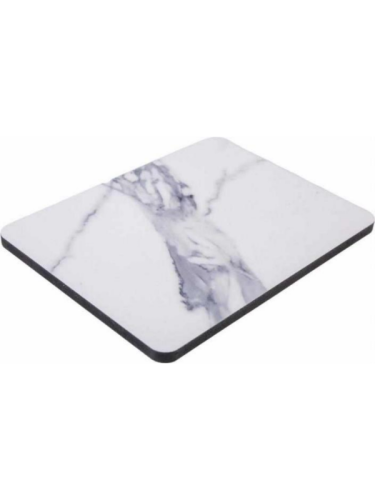
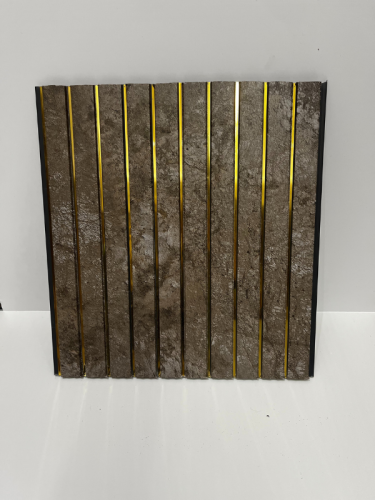
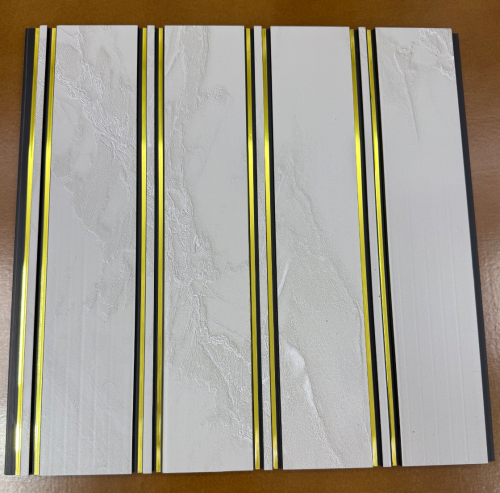
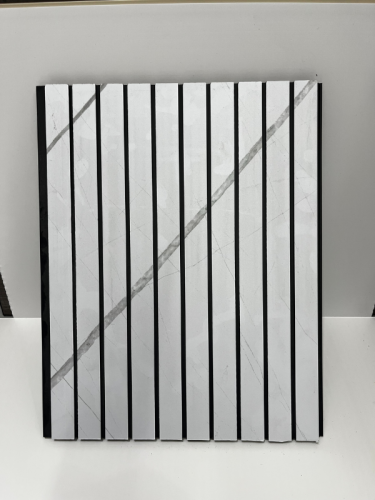
- SPC is the king of stone and marble effects. The rigid, dense substrate carries high-definition UV printing without warping, and a thicker wear layer keeps the print sharp for years. Our UV marble panel line uses this exact technology.
If your client wants “real wood feel,” specify WPC. If they want “marble wall without the marble price,” specify SPC. PVC fills everything in between when budget rules.
Installation: Weight, Cutting, and Time on Site
Specifying the right panel is half the job. The other half is what happens when a crew tries to install 400 m² of it in five days.
PVC
Lightest and easiest. A handyman with a utility knife and construction adhesive can cover a bathroom in an afternoon. Cuts clean, no special tools, minimal dust. Ideal for fast renovations and rental properties.
WPC
Cuts with a standard wood saw or jigsaw. Heavier than PVC, so you’ll want a second pair of hands for long planks. Click-lock or tongue-and-groove systems are common; we recommend mechanical fixing plus adhesive for ceilings over 3m.
SPC
Heaviest by a wide margin — a 1220×2800mm SPC sheet can weigh 25–35 kg. You’ll need carbide-tipped blades, dust extraction, and ideally two installers. The payoff: dead-flat panels that don’t telegraph wall imperfections behind them.
Below is the comparison at a glance:
| Criteria | PVC | WPC | SPC |
|---|---|---|---|
| Core material | Foamed PVC | Wood flour + PVC | Limestone + PVC |
| Weight per m² | Lightest | Medium | Heaviest |
| Impact resistance | Moderate | Good | Excellent |
| Best surface look | Glossy print | Wood grain | Stone / marble |
| Typical thickness | 5–10 mm | 8–18 mm | 4–8 mm |
| FOB price band | $ | $$ | $$$ |
| Best for | Bathrooms, budget | Feature walls, hotels | High-traffic commercial |
Fire, Moisture, and Climate Behavior
All three are 100% waterproof — no swelling, no rot, no mold food. That’s the easy part. Where they diverge is heat and fire.
Fire rating: SPC typically reaches B1 (EN 13501-1) thanks to its 70%+ inorganic mineral content. WPC and PVC usually sit at B2 unless you specify flame-retardant grade. For schools, hospitals, and high-rise commercial projects with strict fire codes, SPC is the safest spec without paying for upgraded additives.
Thermal stability: PVC has the highest expansion coefficient. In a sun-exposed conservatory or a wall behind a south-facing window, PVC can visibly expand and contract — leaving gaps in winter, bowing in summer. SPC barely moves. WPC sits comfortably in between.
Cold-climate brittleness: If your buyer is in northern Europe, Canada, or Russia, ask the factory about cold-temperature impact testing. Standard PVC can become brittle below -10°C during shipping or installation; stabilizer formulations matter.
Application Cheat Sheet by Project Type
Skip the spec sheet for a moment. Here’s how we actually recommend matching panel to project after eight years of shipping containers to 60+ countries:
- Residential bathrooms and laundry rooms: PVC. Cheap, 100% waterproof, replaceable.
- Bedroom and living room feature walls: WPC. Wood-grain texture, warm acoustic feel.
- Hotel guestrooms: WPC for guest-facing walls, PVC inside wardrobes and behind beds.
- Hotel lobbies and reception: SPC marble panels behind the desk, WPC slat panels on side walls.
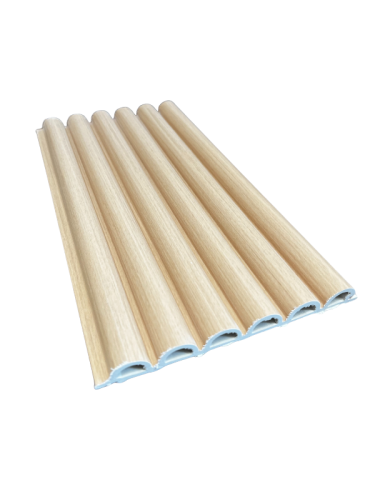
- Office meeting rooms: WPC slat or fluted panels (also add acoustic backing).
- Restaurants and cafés: WPC for warmth; SPC behind banquettes where chairs hit the wall.
- Retail and showrooms: SPC marble for premium feel; WPC for boutique brands.
- Schools, clinics, gyms: SPC — impact resistance plus fire rating.
- Outdoor semi-covered areas: Neither — switch to dedicated exterior cladding products rated for UV.

Sourcing Checklist: What to Ask the Factory
Spec sheets from Chinese factories all look great on paper. The differences show up in container number three. Before committing to a supplier, check these:
- Density test, not just thickness: A 9mm WPC panel weighing 4.5 kg/m² is properly extruded. One at 3.2 kg/m² is over-foamed and will dent.
- Calcium carbonate ratio (SPC): Ask for the actual % — premium SPC sits at 65–75%. Cheap factories push past 80% and the panel becomes brittle.
- UV coating thickness: For printed surfaces, request 6–8 micron UV topcoat minimum. Thinner coatings fade and scratch within two years.
- Color batch consistency: Demand same-batch production for any single order. Cross-batch color drift is the #1 complaint distributors get from end clients.
- Edge straightness tolerance: ±0.3mm or better. Anything looser shows on long walls.
- Third-party reports: SGS or Intertek for formaldehyde, heavy metals, fire rating. Not optional for hotel and public projects.
If a supplier can’t answer all six, keep looking. You can read about our own QC process on the About Us page, and the FAQs cover the most common sourcing questions we get from new buyers.
So Which One Actually Wins?
None of them — and all of them. That’s the honest answer after comparing thousands of project briefs. PVC wins on price and ease. WPC wins on warmth and finish authenticity. SPC wins on durability and fire performance. The smart buyer doesn’t pick one material for an entire project; they place each one where it earns its margin.
If you’re planning a mixed-use project, a hotel chain rollout, or a distributor catalog refresh, we can help you spec the right blend rather than overpaying for SPC everywhere or under-specifying PVC where it’ll fail. BONA runs 30+ production lines across all three categories from one facility, which means matching colors, coordinated lead times, and consolidated shipping. Send us your drawings or a rough quantity estimate through the contact page and we’ll put together a panel-by-panel recommendation with FOB pricing within 24 hours.
-
PVC vs WPC vs SPC Wall Panels: Which One Wins for Your Project?
09 Jun, 2026
-
UV Marble Sheet Buying Guide: How to Source the Right Panels in 2026
09 Jun, 2026
-
WPC Decking Maintenance Tips: A Practical Care Guide for Long-Lasting Outdoor Decks
09 Jun, 2026
-
How to Choose the Right SPC Flooring Supplier in 2026: A Buyer’s Checklist
09 Jun, 2026