

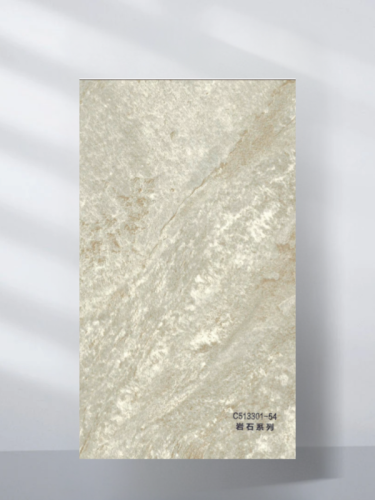
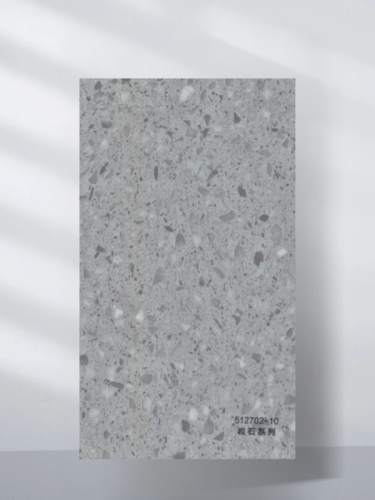

UV Marble Sheet Buying Guide: How to Source the Right Panels in 2026
-
 By Sytech
-
09 Jun, 2026
-


To source the right UV marble sheet in 2026, focus on four things: substrate quality (PVC, WPC, or bamboo charcoal composite), UV coating thickness and gloss level, color and vein consistency across batches, and the supplier’s ability to hold tolerances on large orders. Get those right and you avoid 90% of the complaints — yellowing, peeling film, mismatched joints, and warped panels arriving on a humid container ship.
What a UV Marble Sheet Actually Is (and Why the Name Is Misleading)
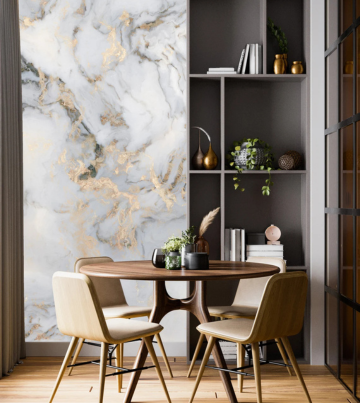
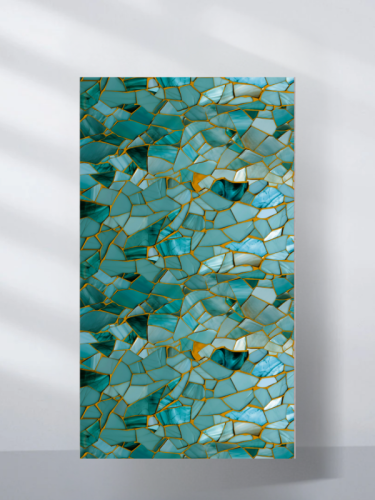
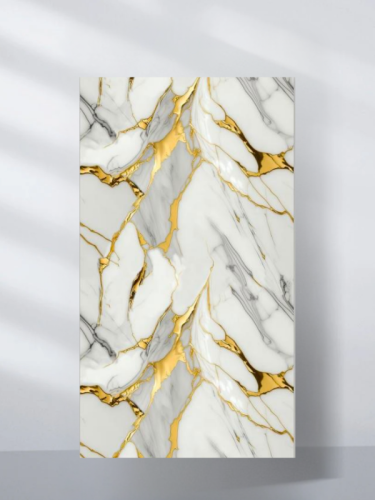
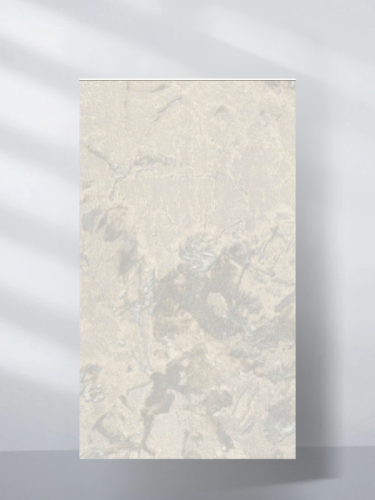
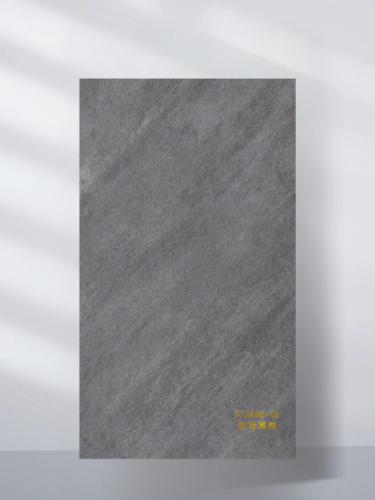
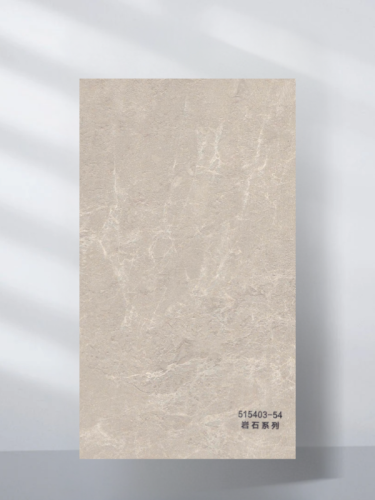
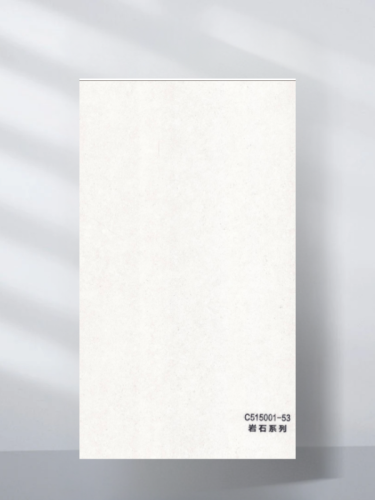
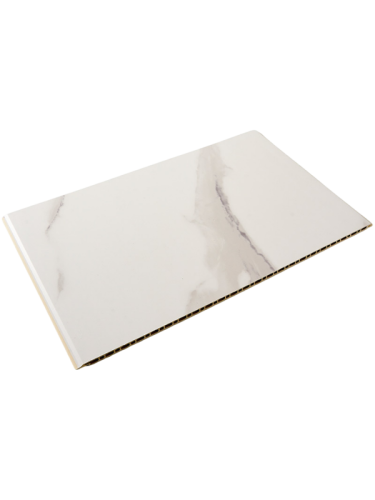
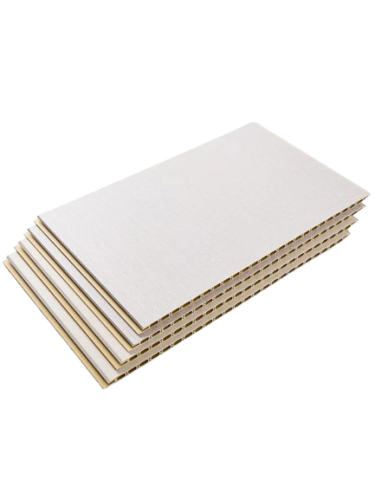
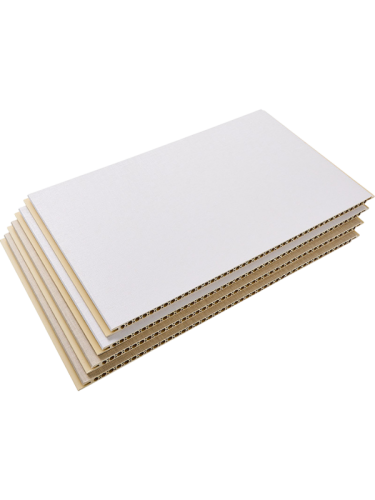
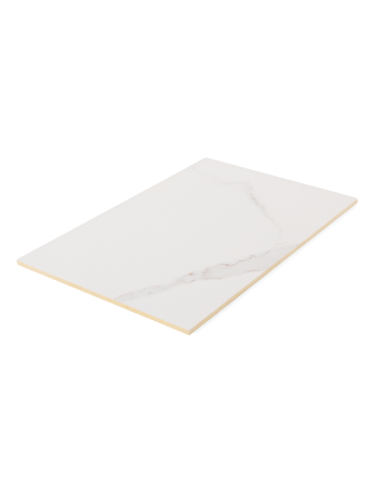
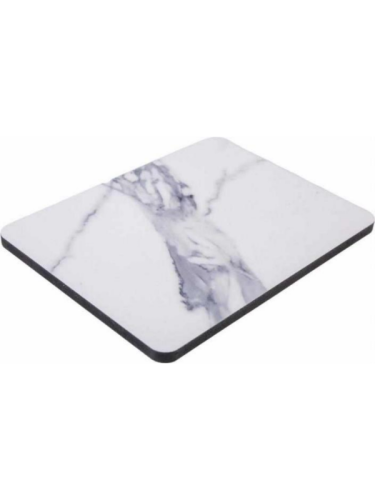
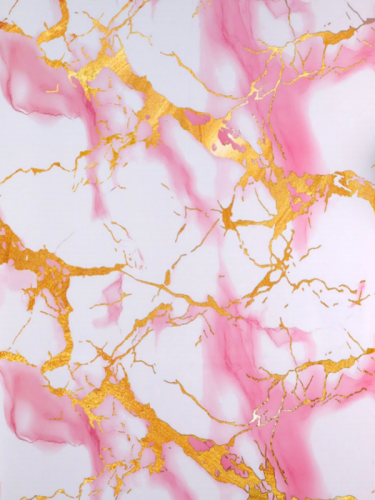
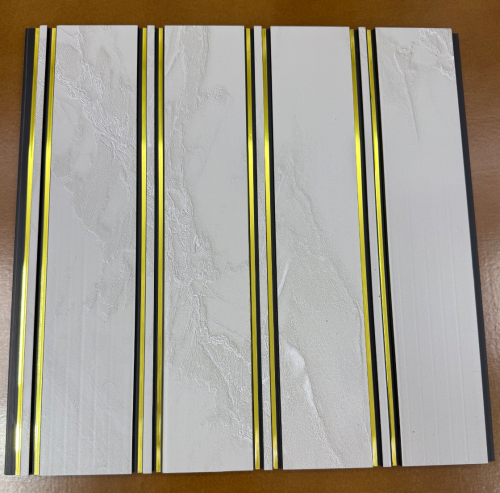
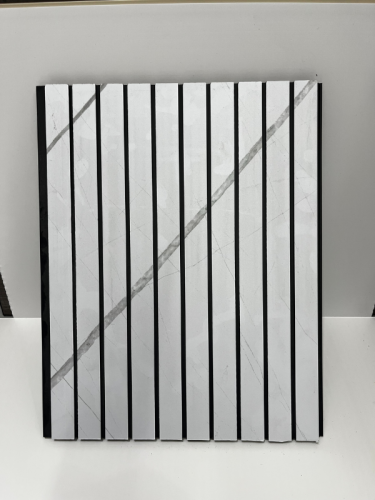
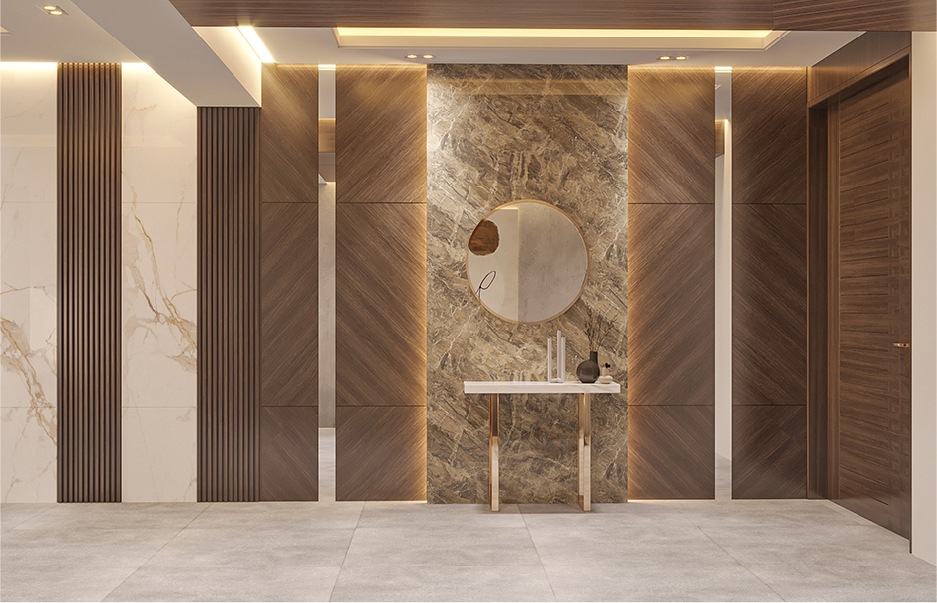
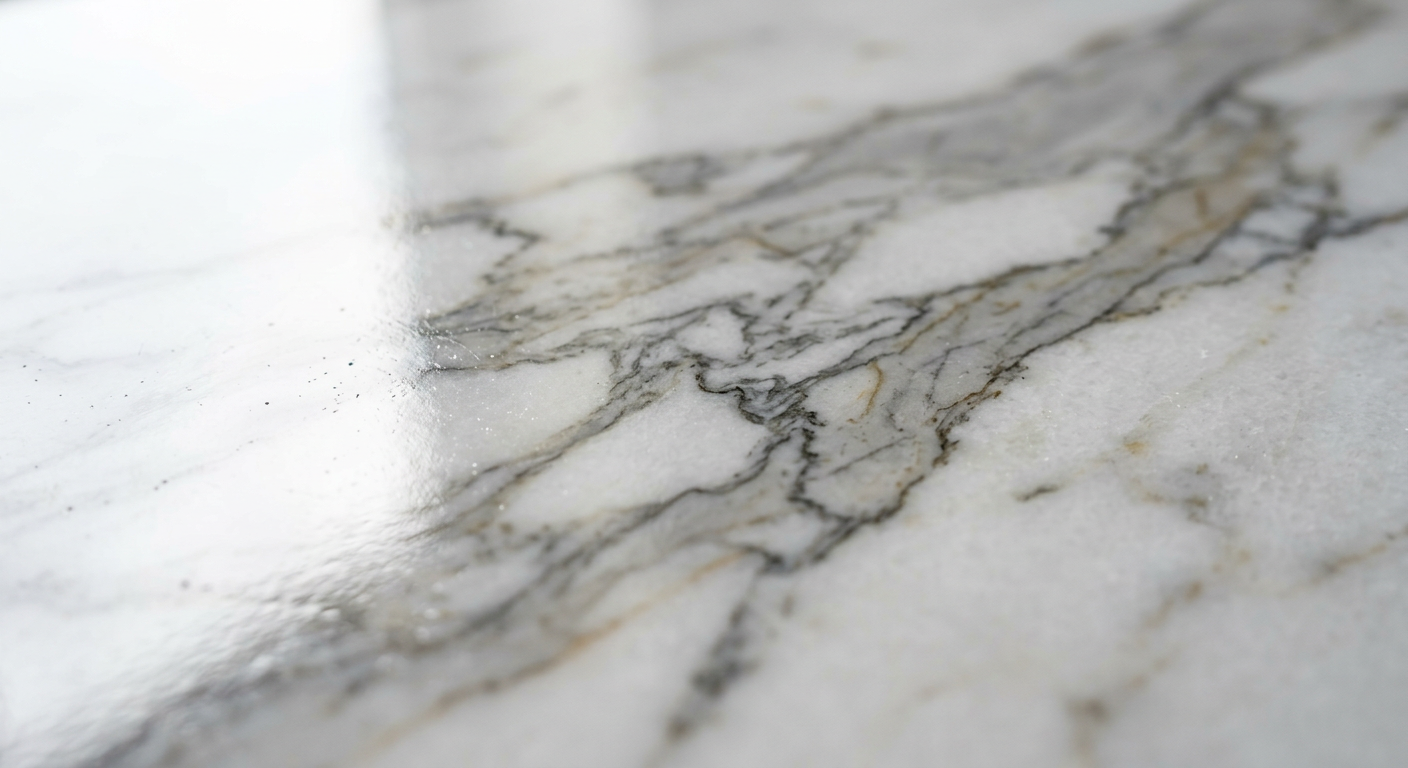
A UV marble sheet contains no marble. It’s a rigid composite panel — usually PVC, WPC, or bamboo charcoal — printed with a marble-look decorative film and then sealed under multiple layers of UV-cured coating. The UV layer is the magic: it cures instantly under ultraviolet light, locking in scratch resistance, gloss, and color stability.
Buyers sometimes confuse these with PU stone panels or acrylic marble sheets. They’re not the same. PU stone panels are foam-backed and used mostly for exterior cladding. Acrylic sheets are far more expensive and rarely sold in 1.22 × 2.8 m formats. UV marble sheets sit in the sweet spot — premium marble appearance, low cost, fast installation.
For a closer look at the wider category of decorative wall solutions, see our full product range.
Substrate Matters More Than the Pretty Surface
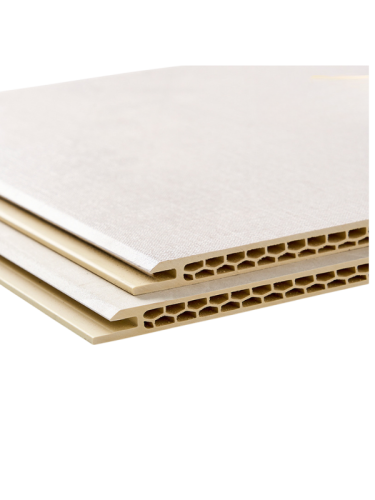
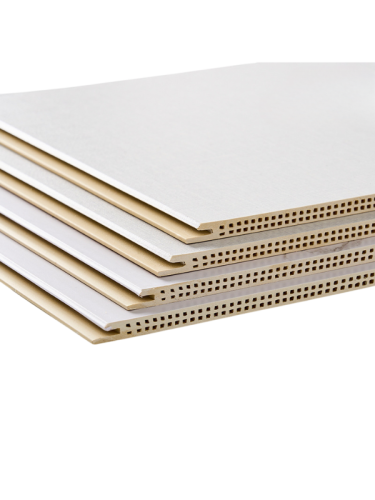
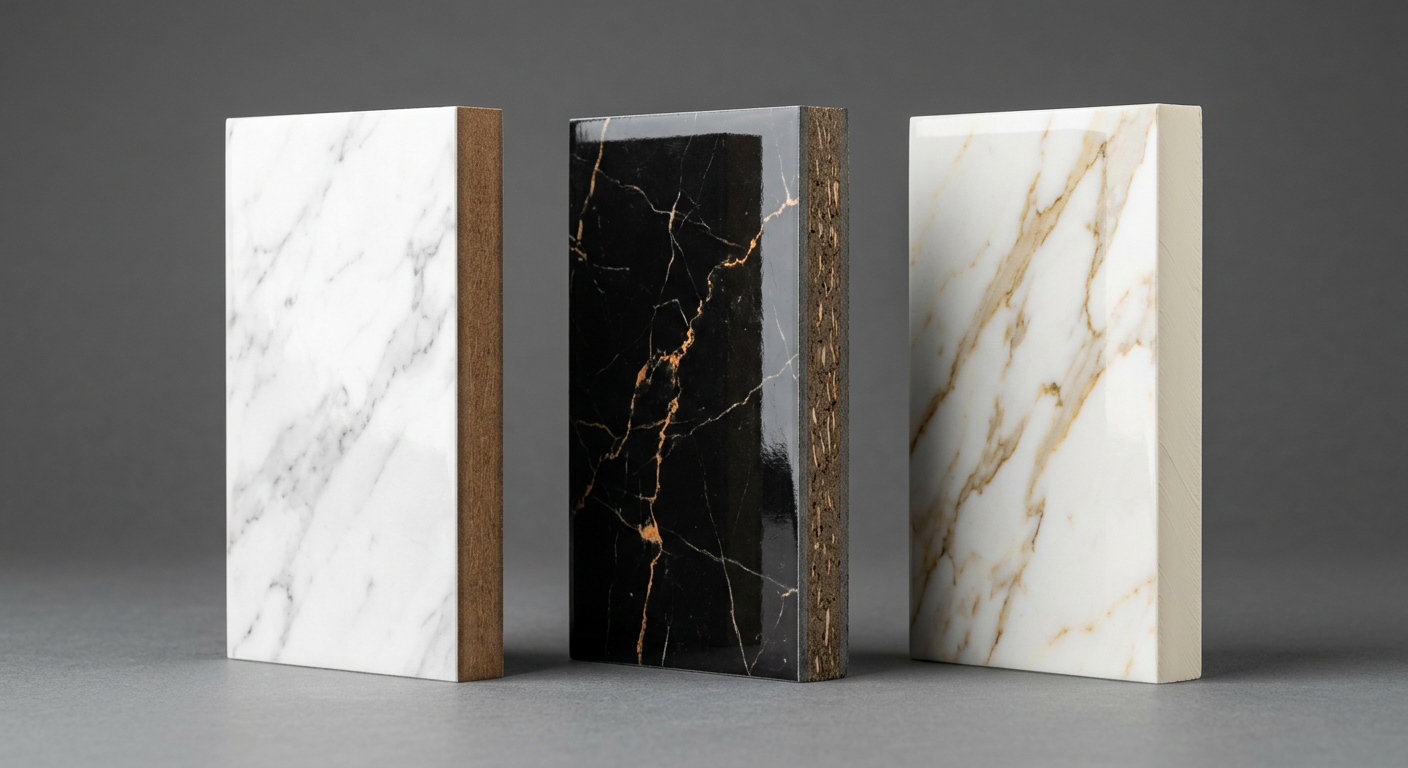
The decorative film gets all the attention, but the substrate decides whether your panels stay flat in a Dubai showroom or bow in a Hamburg warehouse. Three substrate types dominate the market in 2026:
PVC substrate (2.7–3.0 mm)
Lightweight, the cheapest option, and the easiest to cut. Density should be 1.4–1.5 g/cm³ for a sheet that won’t sag on tall walls. Below 1.3 g/cm³, you’re buying a panel that warps on vertical joints within a year.
WPC substrate (6–9 mm)
Heavier, more rigid, and noticeably more premium-feeling. Better for wainscoting, door frames, and any application where edges will be machined. WPC also accepts V-grooves and chamfers cleanly without chipping.
Bamboo charcoal composite
The newest entrant and a real upgrade if the project budget allows it. Low VOC, dimensionally more stable in humid climates, and pairs naturally with the “eco-premium” positioning that hotel and showroom buyers love right now.
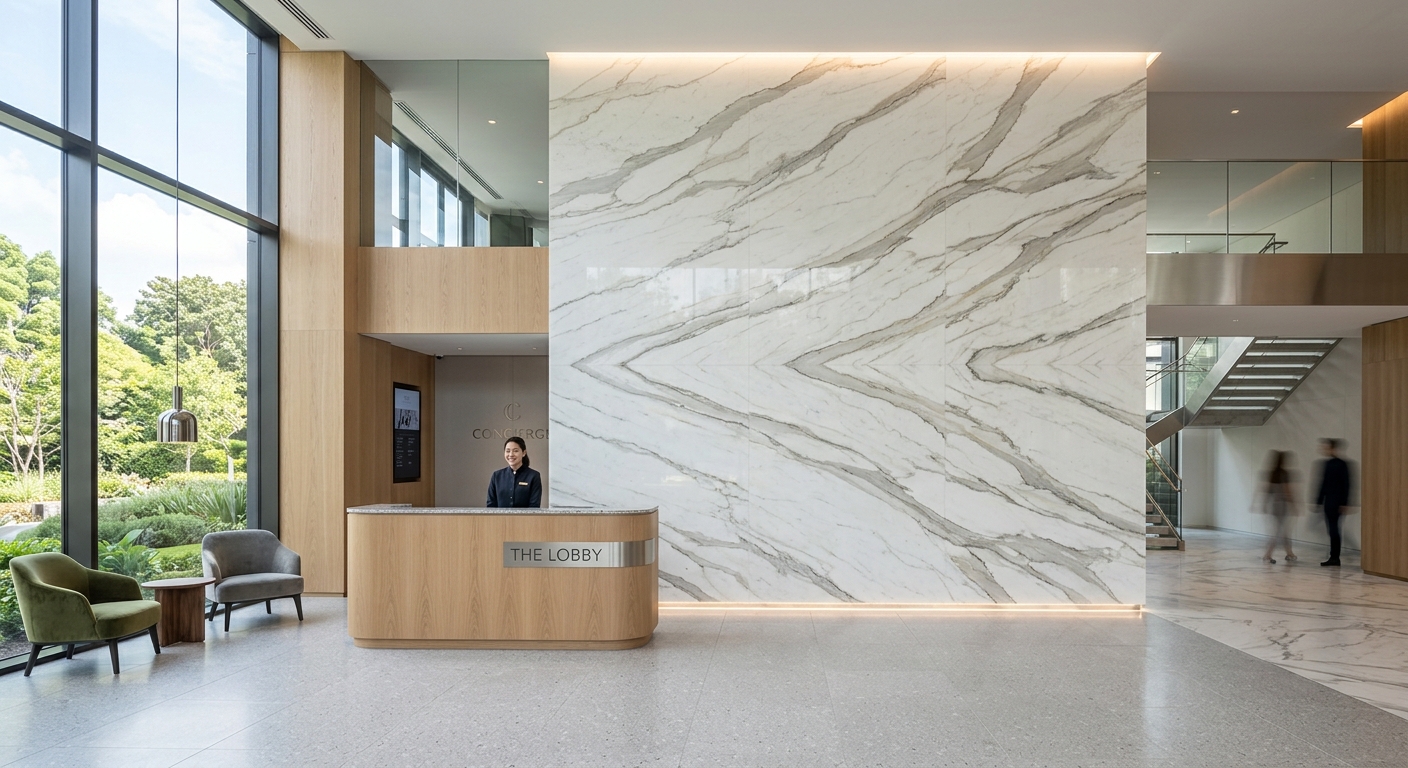
For instance, a contractor finishing out a chain of boutique hotels in Southeast Asia might spec PVC sheets for guestroom feature walls (cost-driven, easy to replace) and bamboo charcoal panels for the lobby (low odor, designer appeal). Same look, different substrates, different budgets.
Reading the UV Coating Spec Sheet Without Getting Fooled
Most factories will tell you their panels have “UV coating.” That tells you almost nothing. Ask for these specs instead:
- Number of UV layers: 4–6 layers is standard; 6+ is premium. Each layer adds depth and scratch resistance.
- Pencil hardness: 2H minimum, 3H is excellent. Below 2H, the panel scratches when installers drag it across a job site.
- Gloss level (GU): High gloss runs 80–95 GU, matte 5–15 GU, satin 30–50 GU. Mismatched gloss across cartons is one of the most common complaints — confirm the GU range in writing.
- Adhesion test: ASTM D3359 cross-hatch test should rate 5B (no peeling). Ask for the lab report.
- QUV weathering test: For any panel near windows or skylights, ask for 500+ hour QUV results showing ΔE < 3.
If the supplier can’t provide these numbers, they’re either trading goods they don’t actually make or they don’t run QC on their own line. Both are reasons to walk away.
Color and Vein Consistency Across Batches
This is where most overseas projects go wrong. A buyer approves a sample in March, places an order in May, then receives panels in July that look subtly different — slightly warmer, veins a touch darker, gloss a notch higher. The architect rejects them. The container sits in customs while everyone argues.
Three habits prevent this:
Lock the master sample
Sign and date two physical samples — one stays with you, one stays at the factory. Every production batch is compared against that master under D65 lighting.
Demand batch numbers on every carton
If you order 2,000 sheets and the factory runs them across three print batches, you want to know which cartons belong together. Installers should fit panels from the same batch on the same wall.
Order an extra 5–8%
For repair, replacement, and that one panel that gets cracked on site. Reordering a small quantity later almost always produces a visible color shift.
A European distributor we work with learned this the hard way — their first 40-foot container mixed two print batches across the same SKU. Now every PO specifies “single batch per SKU per container” and the issue disappeared.
PVC vs WPC vs Bamboo Charcoal: A Quick Comparison
Different projects, different substrates. Here’s the short version most procurement teams need:
The comparison table above gives you the headline numbers. The deeper takeaway: don’t pick by price alone. A 2.7 mm PVC sheet at $4.50/m² and a 9 mm bamboo charcoal sheet at $11/m² aren’t competing for the same project — they’re competing for the same look in different contexts. Match the substrate to the wall height, the humidity, the budget, and the buyer’s quality expectation.
Sizes, Tolerances, and Why Millimeters Matter
Standard UV marble sheet sizes in 2026:
- 1220 × 2440 mm (4 × 8 ft) — most common globally
- 1220 × 2800 mm — taller walls, fewer horizontal joints
- 1220 × 3050 mm — premium, for full-height hotel walls
Tolerances tell you whether the factory has real production discipline. Acceptable values:
- Length / width: ±1.0 mm
- Thickness: ±0.1 mm
- Diagonal squareness: ±1.5 mm
- Edge straightness: < 0.5 mm per meter
Why does this matter? Imagine a 60 m² feature wall with seamless joints. If every sheet is 2 mm wider than spec, by the eighth sheet your joint pattern is off by 16 mm — and the entire wall has to be re-cut on site. Tight tolerances aren’t a luxury, they’re how installers keep schedules.
Packaging and Shipping: Where Good Panels Get Ruined
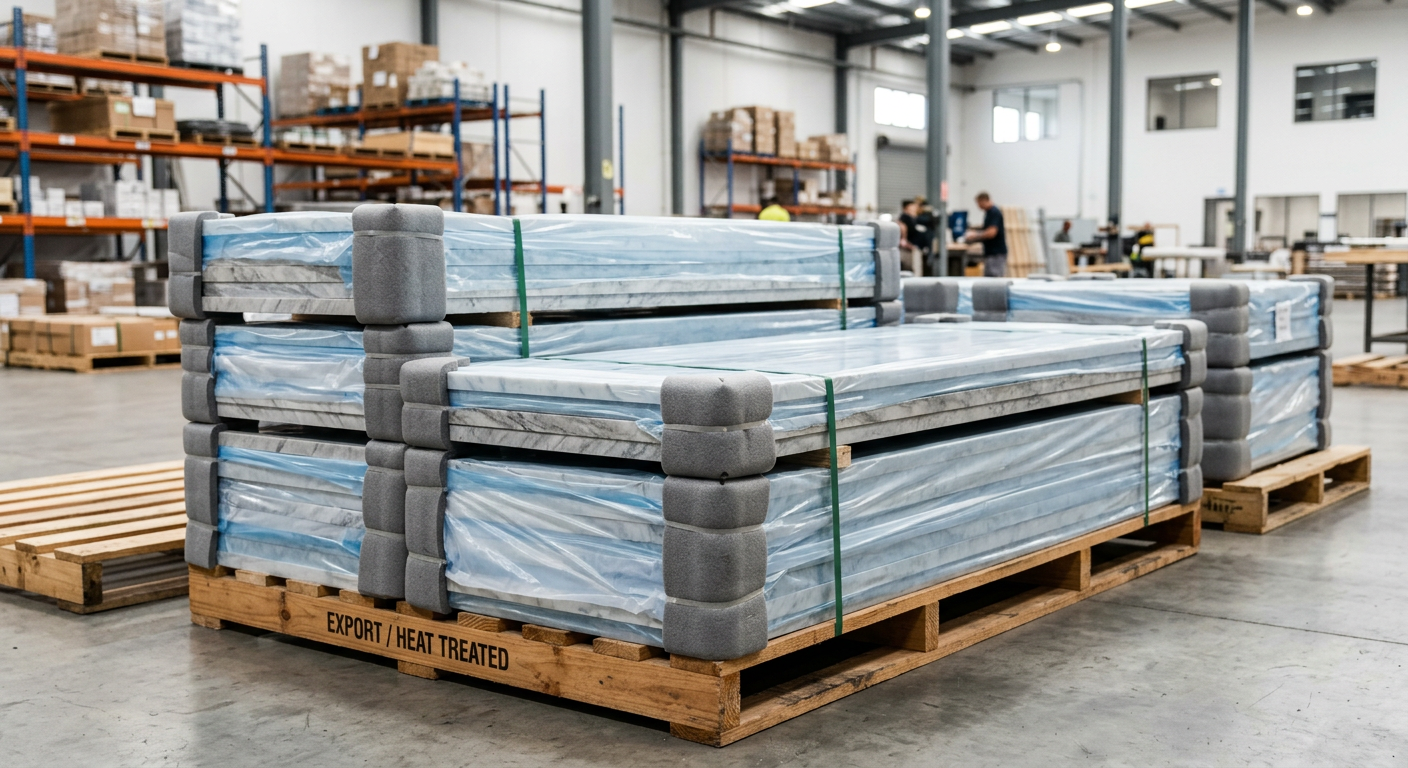
A perfect panel that arrives with a creased corner or a hairline scratch through the gloss is a rejected panel. Surface damage during transit is the single biggest source of post-delivery disputes on UV marble shipments.
What to specify in your PO:
- Protective film on both sides — minimum 60 microns, low-tack so it peels cleanly after install
- Foam corner guards on every pallet
- Stretch wrap + waterproof outer film — non-negotiable for sea freight
- Max 80 sheets per pallet for 3 mm PVC, max 40 for 9 mm WPC
- Desiccant packs inside the wrap for tropical-route shipments
For long ocean routes, also ask whether the factory ships HQ (high-cube) containers — taller panels fit better and you save palletizing space. Some buyers can fit 15–20% more material in an HQ container, which directly affects landed cost per square meter.
Related reading on transit and weather-related issues with composite products: why WPC decking cracks, fades, or warps — many of the same humidity and storage principles apply to UV marble sheets.
Supplier Checks: Trading Company vs Real Factory
In 2026, roughly half the “factories” on B2B platforms are actually trading offices. Nothing wrong with traders for small orders, but on containers of UV marble panels you want a real factory — for price, lead time control, and accountability when something goes wrong.
How to tell the difference:
- Ask for a live video tour of the UV coating line, not just the warehouse. The UV curing tunnel is unmistakable — look for the row of UV lamps and the conveyor.
- Request the print master and decorative film source. Real factories print in-house or have a contracted decor paper partner they can name.
- Check business license scope — it should explicitly include manufacturing, not just trading.
- Visit if the order is large enough. A first 3–5 container relationship deserves a factory audit, in person or via a third-party inspector like SGS or BV.
You can read more about our own setup on the about us page and view physical samples at our showroom. We also keep an updated FAQ for first-time buyers covering MOQ, lead times, and certifications.
MOQ, Lead Time, and Pricing Benchmarks for 2026
Rough market figures right now, useful as a sanity check:
- MOQ: 300–500 sheets for stock designs; 1,000+ for custom colors or embossed finishes
- Lead time: 15–25 days for stock items, 30–45 days for custom prints
- FOB price (China port): $4.20–6.50/m² for 3 mm PVC UV marble; $8.50–14/m² for 9 mm WPC or bamboo charcoal
- Sample cost: Free for A4 swatches; full-sheet samples usually $20–40 plus courier
If a quote comes in 20%+ below this range, ask hard questions: what’s the substrate density, how many UV layers, what’s the film thickness, and is there a real warranty. The market is competitive but not magical — extreme discounts usually mean thinner coatings, lower-density boards, or recycled raw material.
Putting It All Together
A good UV marble sheet purchase in 2026 isn’t about finding the cheapest price per square meter — it’s about matching the substrate to the application, locking the color across batches, demanding documented coating specs, and choosing a supplier who can prove they actually manufacture. Get those four right, and the panels behave exactly as your samples promised.
If you’re planning a project, comparing suppliers, or sourcing for a specific architectural spec, BONA runs 30+ production lines covering PVC, WPC, SPC, and UV-coated decorative panels — with full QC reports, batch traceability, and samples shipped worldwide. Get in touch with your design references and target volume, and we’ll send back a tailored quote with the spec sheet attached.
-
WPC Decking Maintenance Tips: A Practical Care Guide for Long-Lasting Outdoor Decks
09 Jun, 2026
-
UV Marble Panels in Hotel Lobbies: 5 Real Projects That Replaced Real Stone
09 Jun, 2026
-
UV Marble Sheet Buying Guide: How to Source the Right Panels in 2026
09 Jun, 2026
-
How to Choose the Right SPC Flooring Supplier in 2026: A Buyer’s Checklist
09 Jun, 2026