

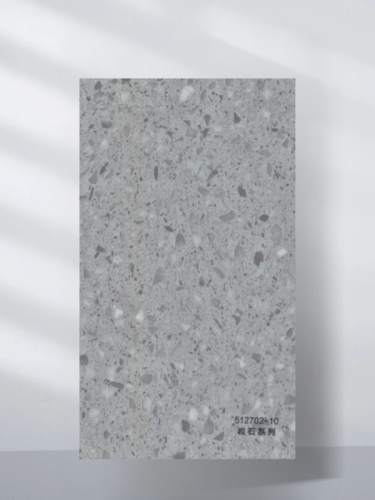
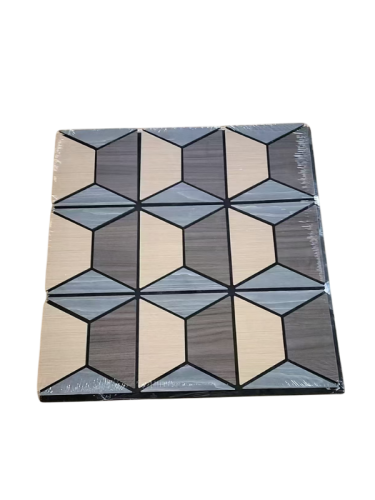
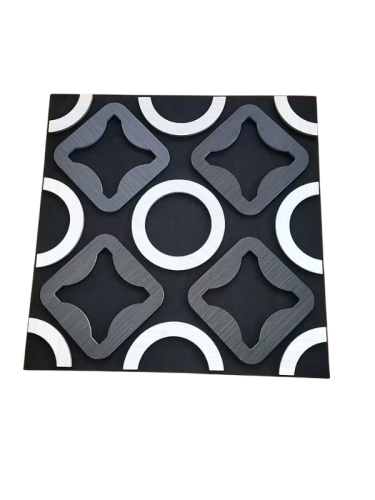
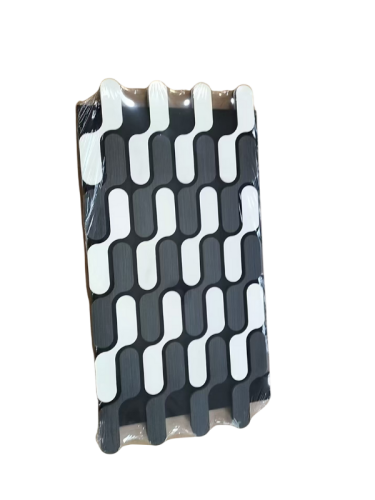
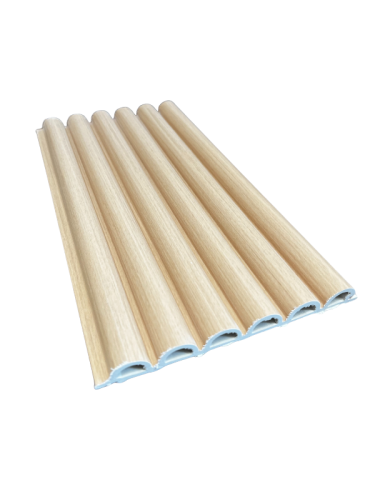
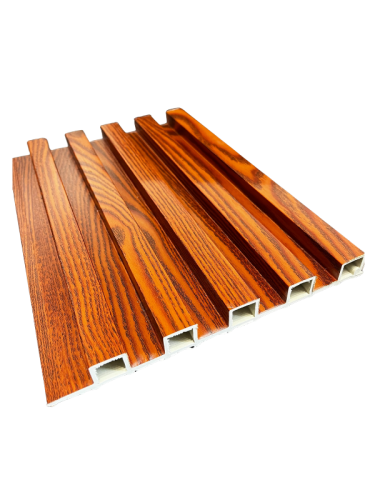
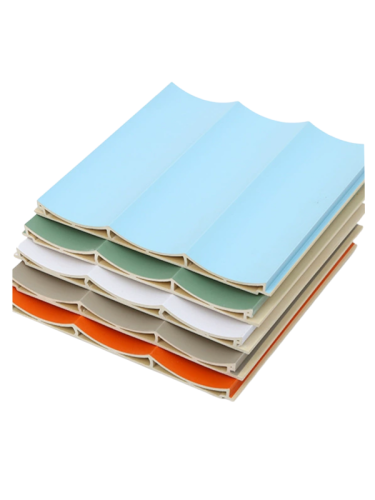
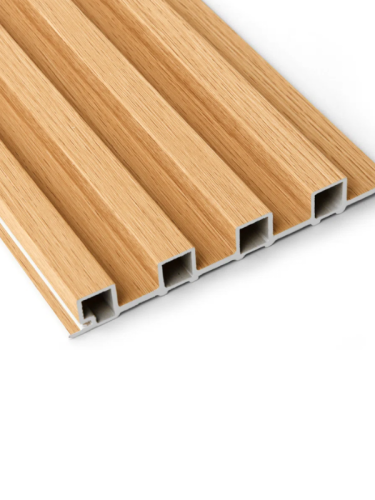

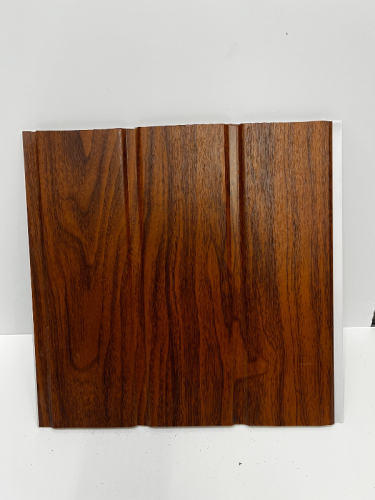
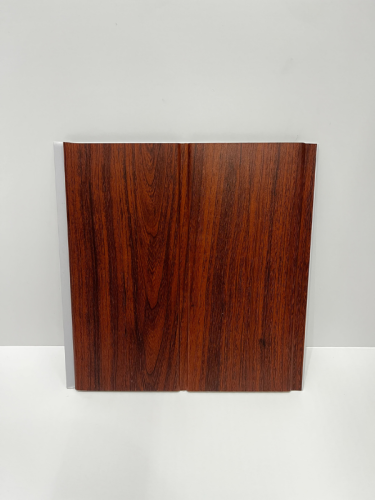
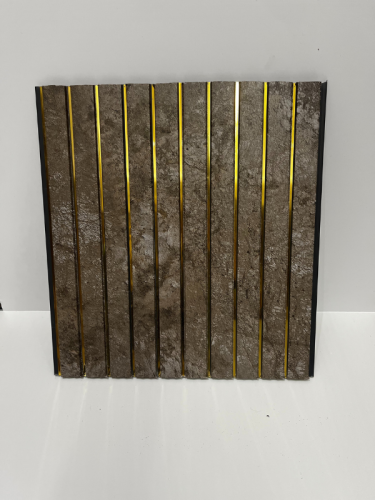
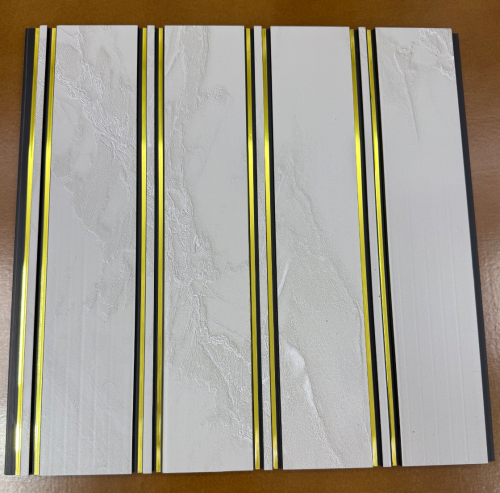
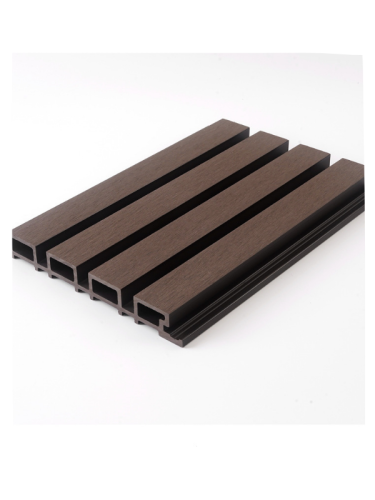
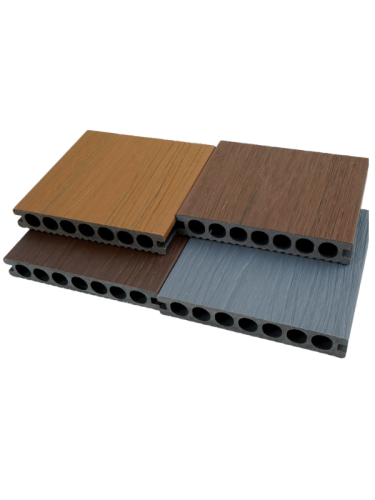
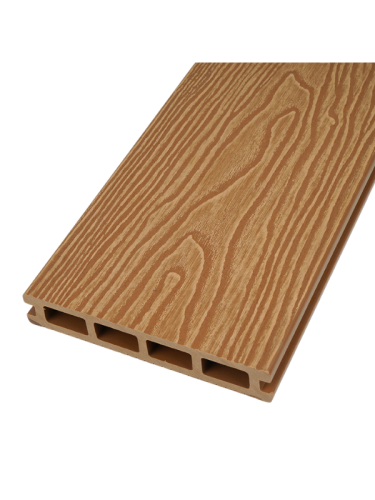
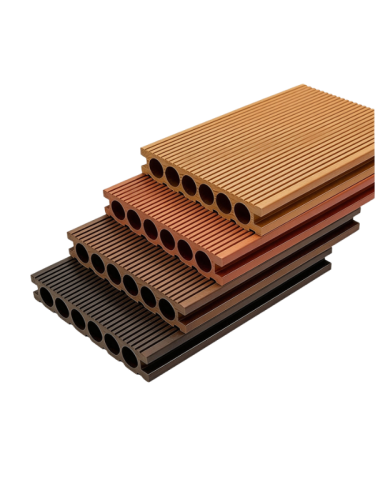
Bamboo Charcoal Wall Panels: The Eco-Friendly Trend Hotels and Offices Are Adopting
-
 By Sytech
-
 21 Jul, 2026
-


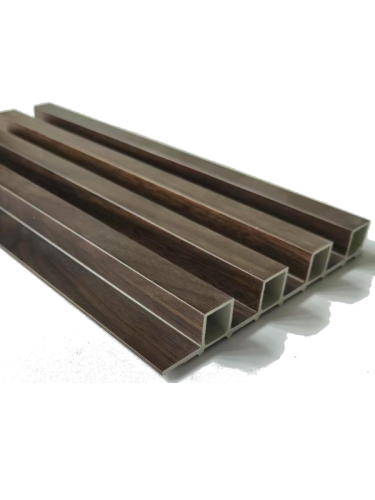
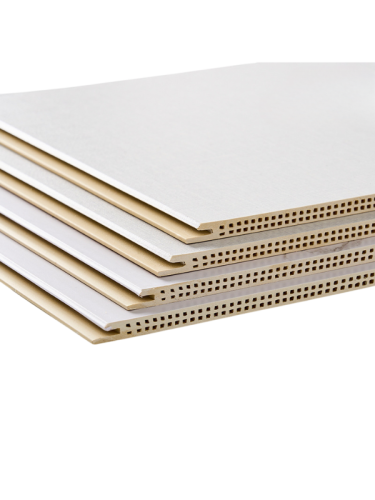
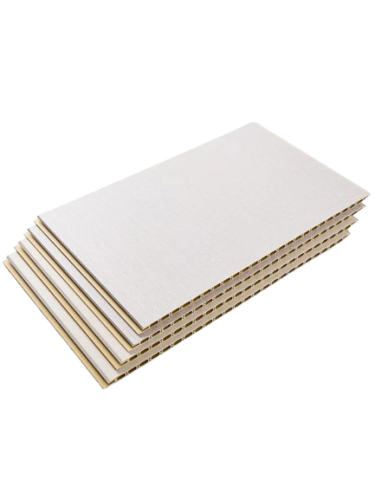
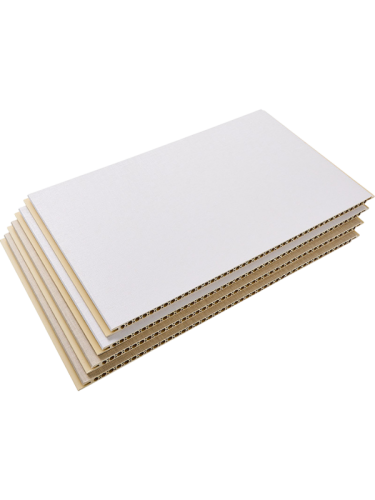
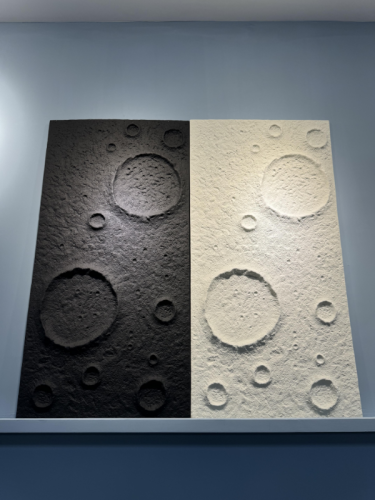
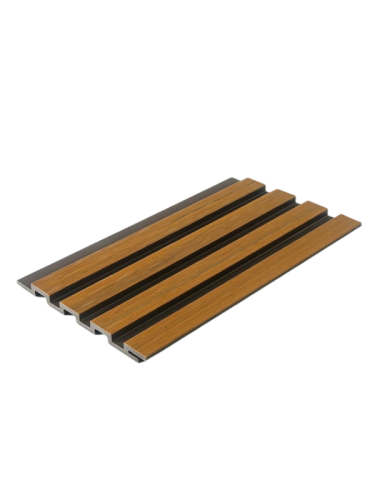
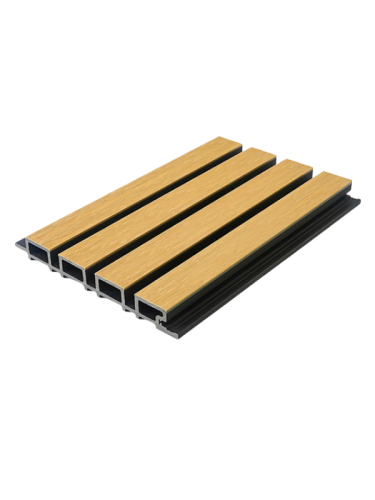
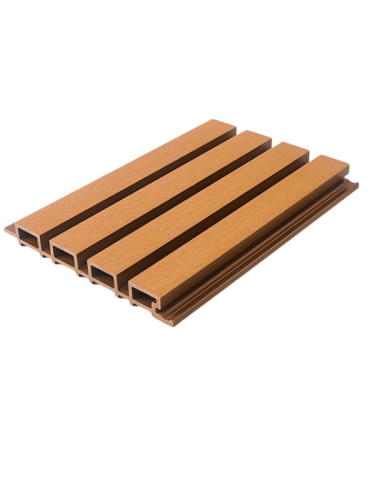
Bamboo charcoal wall panels are gaining ground in hotels and offices because they actually solve a problem most decorative panels ignore: indoor air quality. The charcoal content inside the panel core absorbs odors, moisture, and even some airborne VOCs, while the surface still delivers the wood-grain or matte finish designers want. Add in bamboo’s fast regrowth cycle compared to hardwood, and you get a panel that photographs well in a sustainability report and performs well in a busy corridor.
What Actually Makes a Panel a ‘Bamboo Charcoal’ Panel
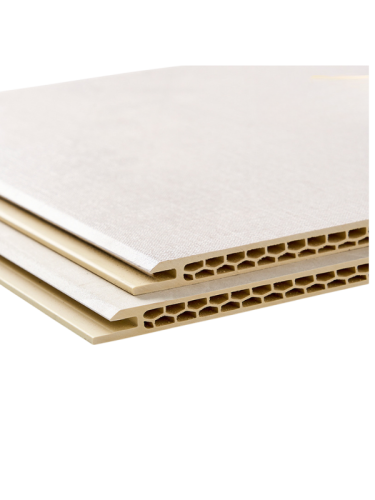
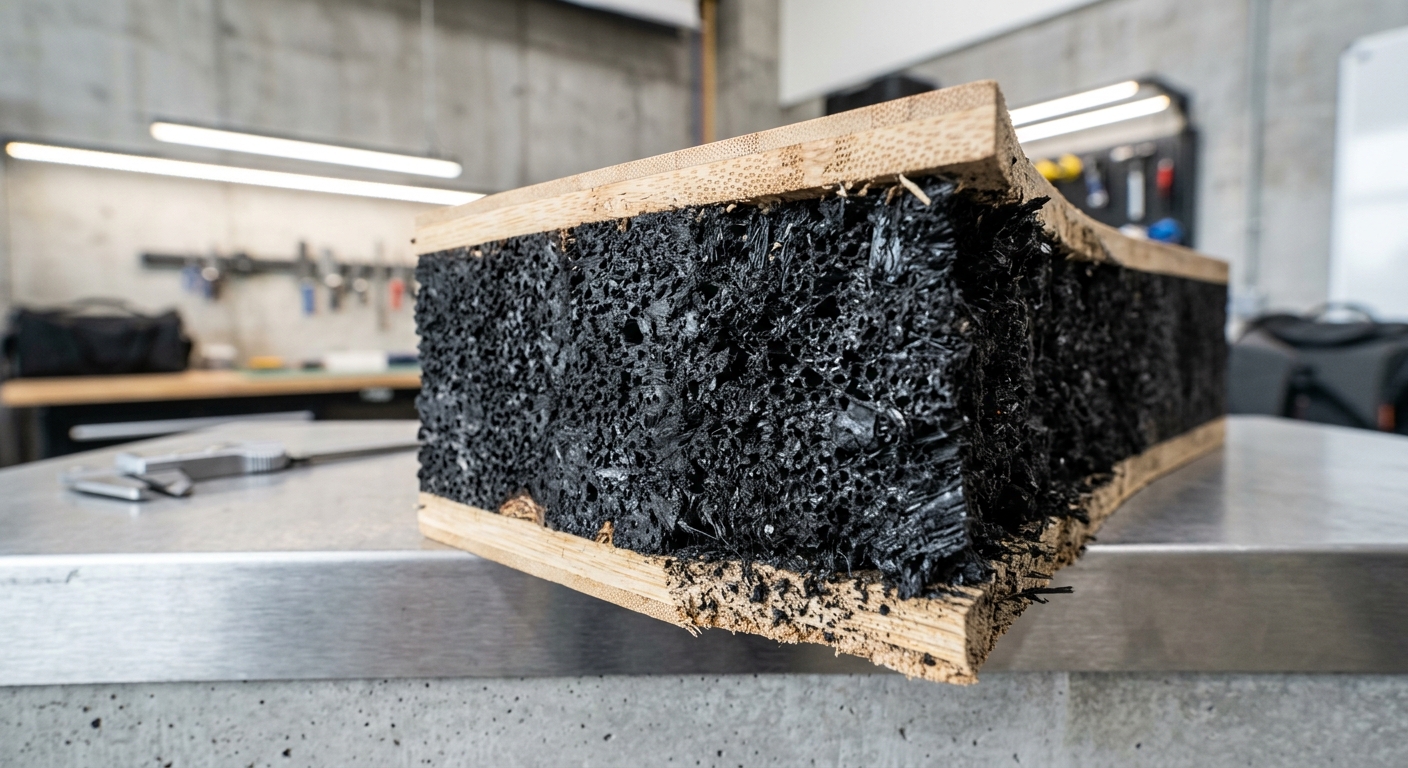
Not every panel labeled “bamboo charcoal” actually contains meaningful charcoal content — this is the first thing buyers get wrong. A genuine bamboo charcoal wall panel uses carbonized bamboo powder blended into the base material, usually a PVC or WPC substrate, at a percentage high enough to deliver measurable odor and moisture absorption. Cheap knockoffs just print a bamboo texture on standard PVC and call it a day.
Look for suppliers who disclose the bamboo charcoal content ratio (typically 15-30% by weight in the core layer) rather than vague marketing language. A panel with real charcoal content will also feel slightly heavier and denser than a purely decorative lookalike.
Why Hotels Are Leading the Adoption Curve
Hotels deal with a problem most other buildings don’t: hundreds of strangers using the same rooms, bathrooms, and corridors every week, and odor complaints hurt reviews fast. A four-star hotel chain renovating 80 guest rooms switched from painted gypsum board to bamboo charcoal wall panels in bathrooms and behind headboards specifically to cut down on musty smells reported in humid coastal properties.
Corridor and Lobby Applications
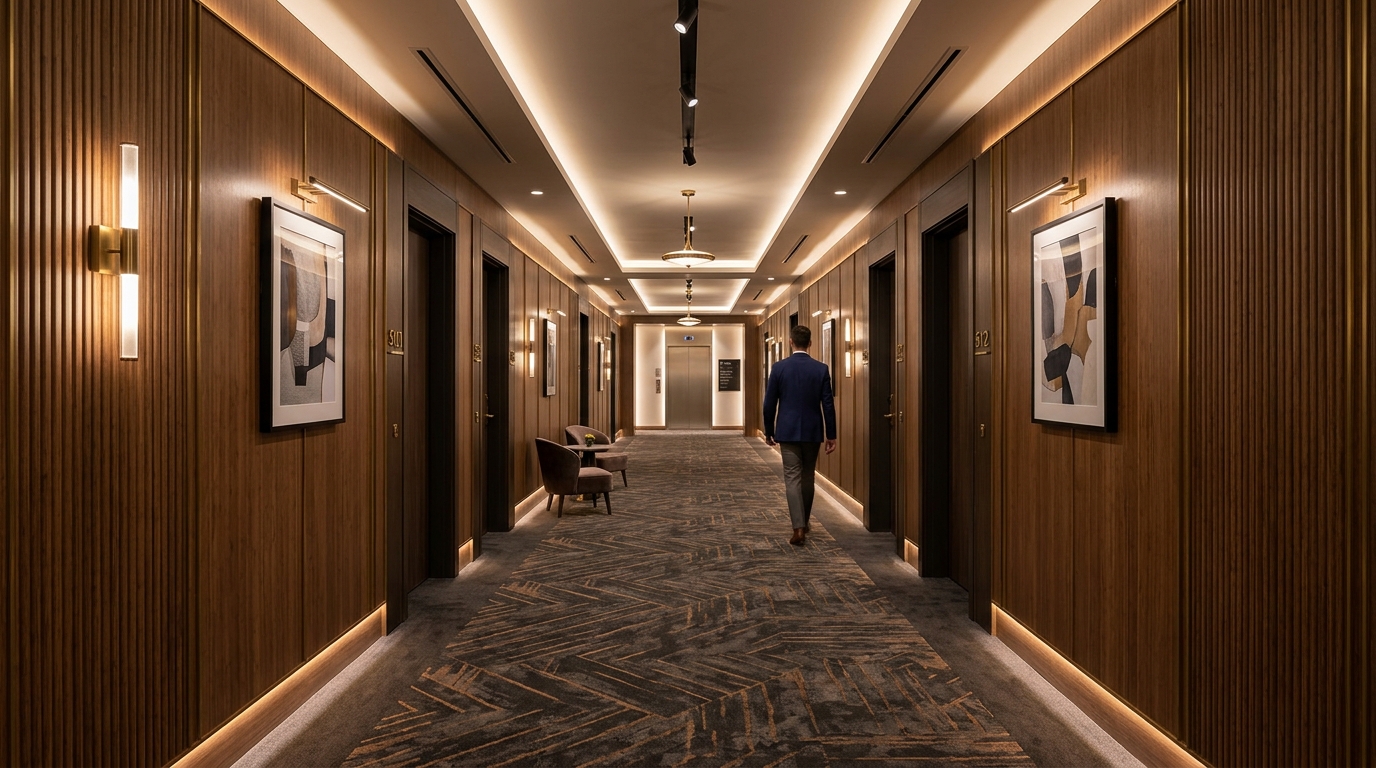
High-traffic lobby walls and elevator corridors benefit from the panel’s scratch-resistant surface layer plus the charcoal’s ability to neutralize the mix of cooking, cleaning chemical, and foot traffic odors that build up over months. This pairs naturally with acoustic performance — for properties also managing noise complaints, it’s worth reviewing our guide on acoustic panel sound absorption ratings since some product lines combine both functions.
The Office Angle: It’s Not Just About Looks
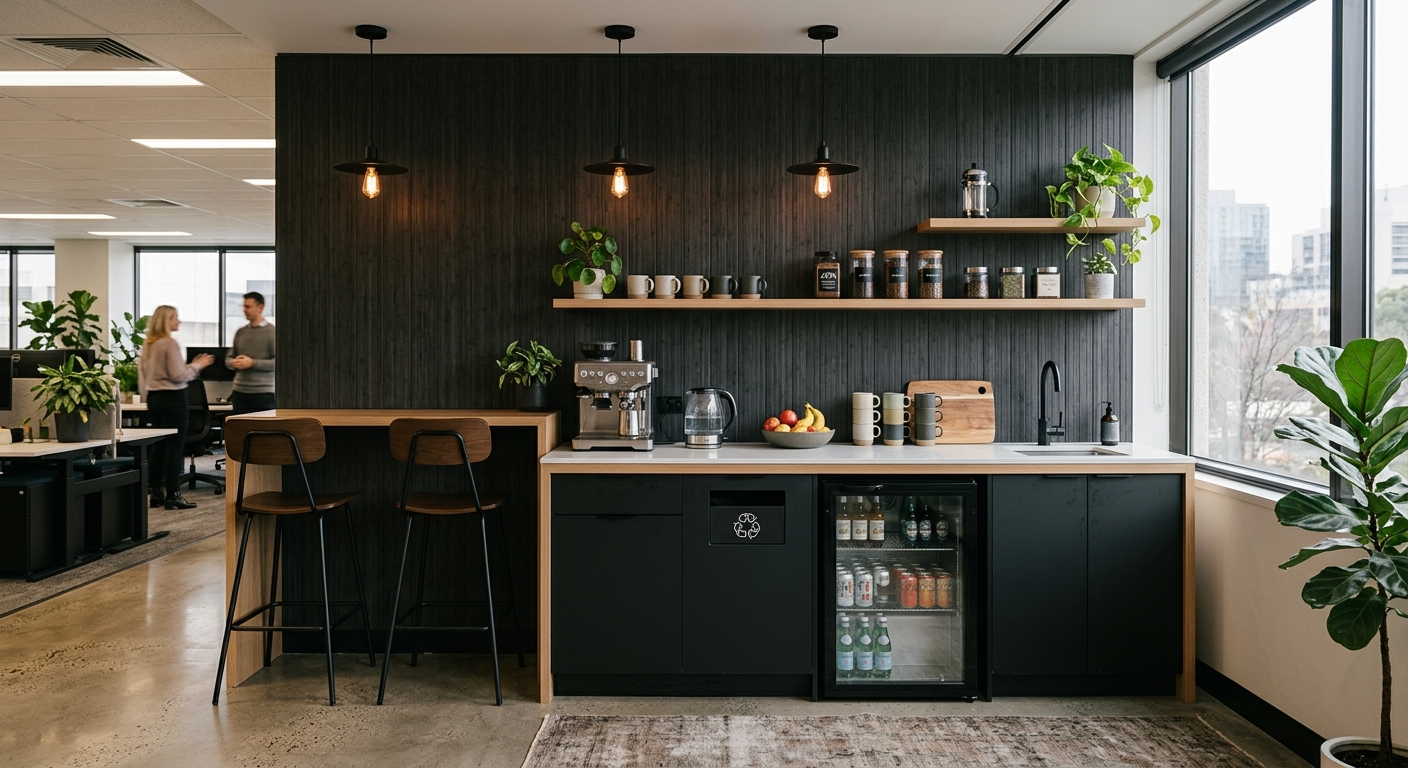
Open-plan offices have their own version of the odor problem — microwaved lunches, coffee spills, and dozens of people in a sealed HVAC loop. Bamboo charcoal panels installed on pantry walls and meeting room partitions actively reduce that lingering smell rather than just masking it with air freshener.
There’s also a wellness-certification angle worth mentioning to project buyers: companies pursuing WELL or LEED-adjacent certifications increasingly ask for materials with documented low-VOC or VOC-absorbing properties, and bamboo charcoal panels check that box more convincingly than a standard painted wall.
How It Compares to PVC, WPC, and MDF Alternatives
Bamboo charcoal panels sit in a specific niche — they’re not simply a decorative swap for standard PVC panels, they’re a functional upgrade. If you’ve already read our comparison on PVC vs WPC wall panels for importers, think of bamboo charcoal as a third layer of value added on top of whichever substrate a supplier builds it on.
MDF and wood veneer still win on certain premium tactile finishes, but they lose badly in humid environments and require more maintenance. For hospitality and office projects where moisture and odor control matter as much as appearance, bamboo charcoal panels on a PVC or WPC base are the more practical long-term choice.
Where the Panels Physically Get Used
Feature Walls and Reception Areas
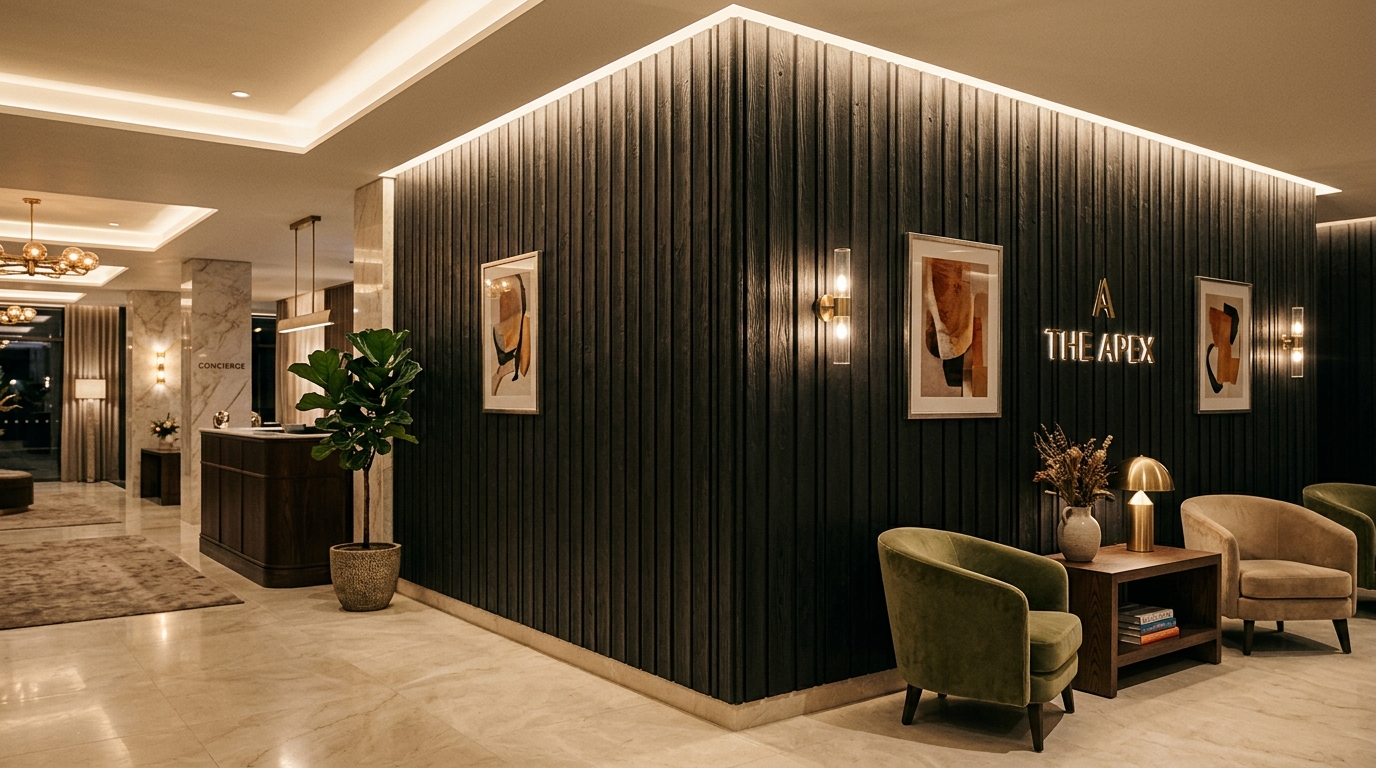
- Hotel reception backdrops where a warm, natural look needs to survive years of cleaning chemicals
- Office reception feature walls paired with branding elements or logo cutouts
- Restaurant and cafe interiors where cooking odors are a daily challenge
Ceiling Applications
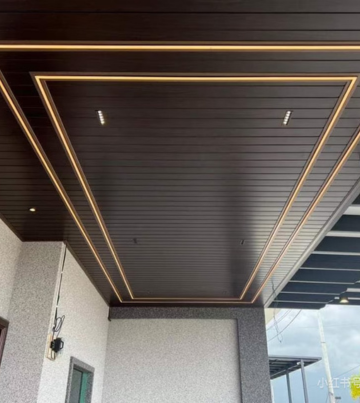
Bamboo charcoal ceiling panels are increasingly specified in basement-level conference rooms and windowless spaces with limited airflow — exactly where odor buildup is worst and natural ventilation can’t help. For schools and training centers converting old classrooms, this application often pairs with sourcing decisions covered in our commercial SPC flooring guide when the whole room is being renovated at once.
Moisture and Odor Performance: What the Numbers Actually Show
Independent lab testing on activated carbon and bamboo charcoal composites typically shows formaldehyde adsorption rates in the range of 60-80% reduction within enclosed test chambers over 24-48 hours, compared to near-zero adsorption from standard PVC or painted gypsum. That’s a meaningful difference for a hotel bathroom or a windowless office pantry.
Moisture-wise, bamboo charcoal panels built on a PVC or WPC core maintain the same waterproof performance as their base material — the charcoal additive doesn’t compromise water resistance, it adds an odor and humidity-buffering function on top. If warping and moisture damage are a concern, it’s the same physics discussed in our piece on why WPC decking cracks, fades, or warps, just applied to interior wall applications instead of outdoor decking.
Sourcing Considerations for Bulk Buyers
Importers ordering bamboo charcoal panels at volume should ask suppliers three specific questions: the charcoal content percentage, the base substrate material, and whether the panels carry any fire rating documentation. A supplier who can’t answer these directly is probably reselling, not manufacturing.
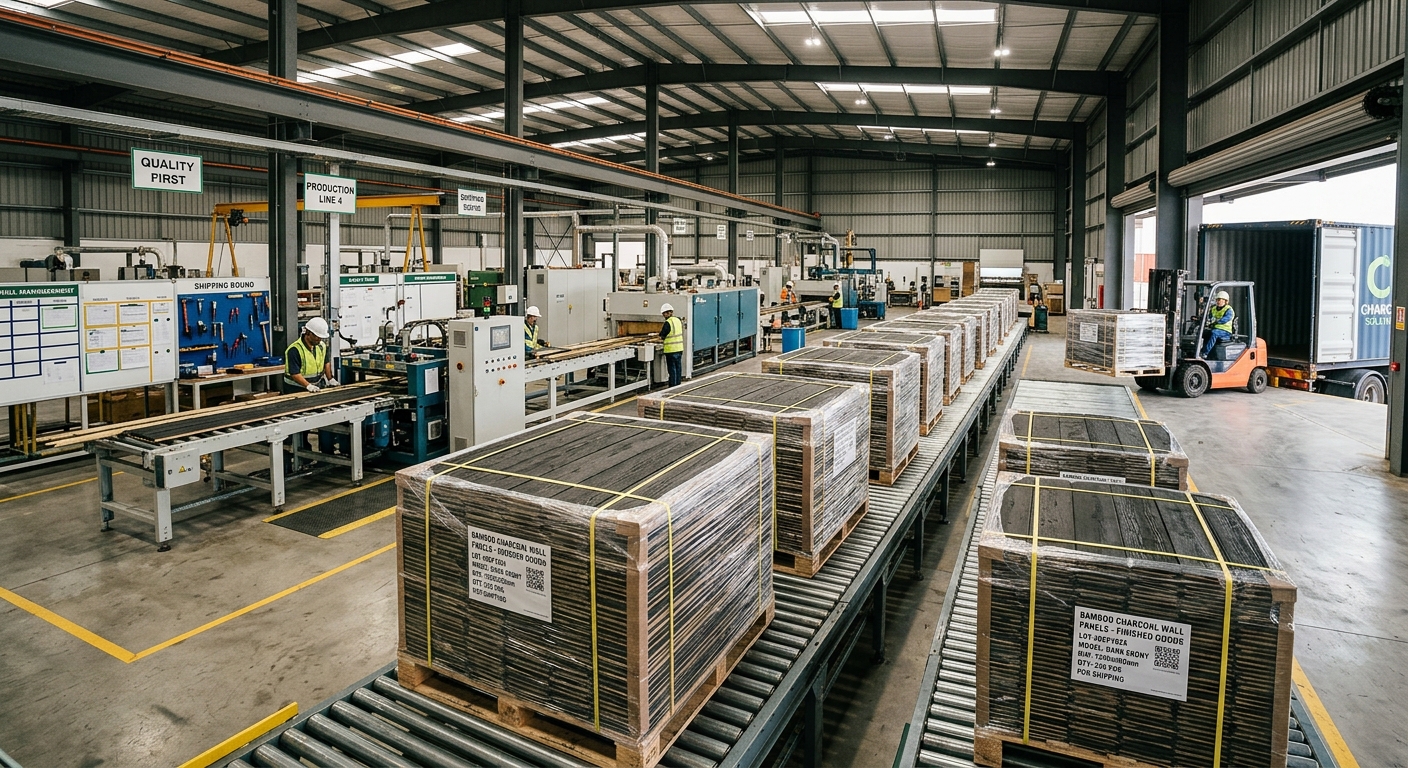
At BONA, panels are produced across our own extrusion lines with direct control over the raw material blend, which means consistent charcoal content batch to batch — a common complaint with trading-company sourced panels is color and performance drift between container shipments. If you haven’t vetted a factory before, our checklist on vetting a wall panel factory before a bulk order covers the exact due diligence steps to run before wiring a deposit.
Maintenance and Longevity in Real Conditions
Bamboo charcoal panels don’t need special cleaning products — a damp cloth and mild detergent handle 90% of cleaning needs, same as standard PVC wall panels. What they do need is a properly sealed installation; gaps at panel joints let moisture bypass the charcoal’s buffering effect and reach the wall substrate behind it.
Expect a well-installed panel to hold its surface finish and odor-absorption function for 10-15 years in interior use, which is comparable to standard PVC panels but with the added functional benefit baked in for the panel’s entire service life, not just the first year or two.
-
UV Marble Sheet Buying Guide: How to Source the Right Panels in 2026
09 Jun, 2026
-
PVC vs WPC vs SPC Wall Panels: Which One Wins for Your Project?
09 Jun, 2026
-
WPC Decking Maintenance Tips: A Practical Care Guide for Long-Lasting Outdoor Decks
09 Jun, 2026
-
UV Marble Panels in Hotel Lobbies: 5 Real Projects That Replaced Real Stone
09 Jun, 2026