


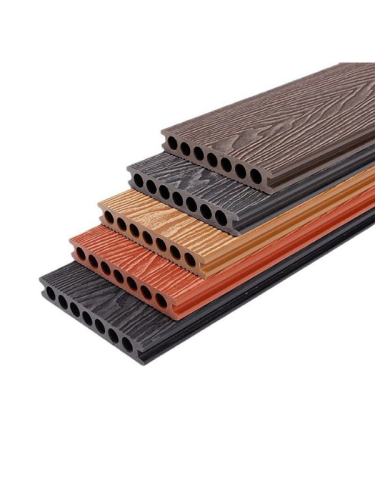
PU Stone Panels vs Natural Stone Cladding: A Cost and Performance Breakdown
-
 By Sytech
-
 04 Aug, 2026
-


PU stone panels cost roughly 40-60% less than natural stone cladding, weigh up to 90% less, and install in a fraction of the time — making them the practical choice for most commercial and residential feature-wall projects. Natural stone still wins where prestige, resale value, or heritage compliance matter more than budget or speed. The real decision comes down to what your project actually needs: appearance that fools the eye, or the real geological deal.
What PU Stone Panels Actually Are
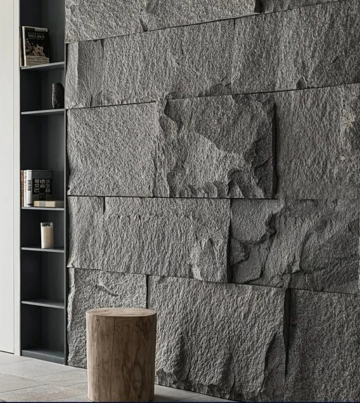
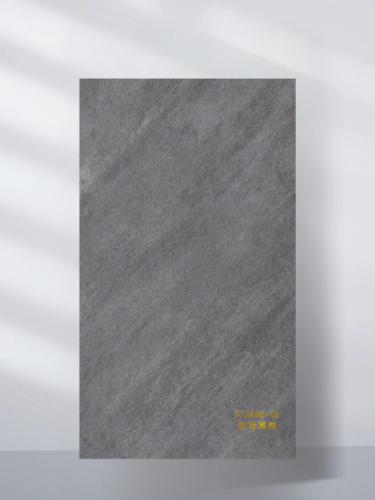
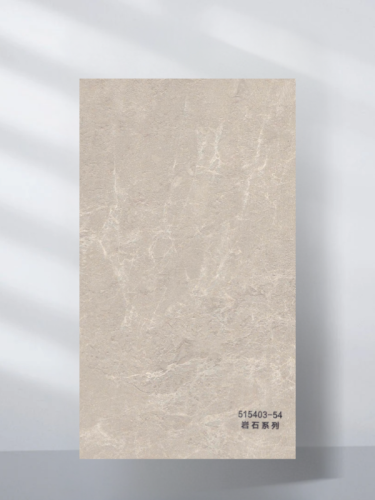
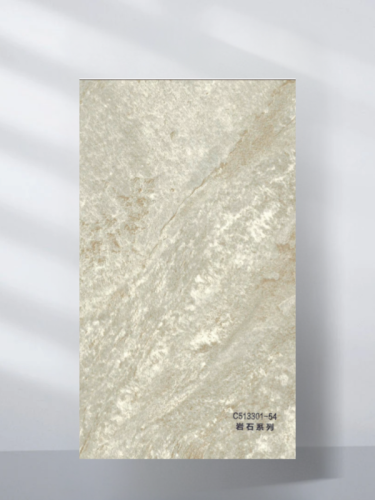
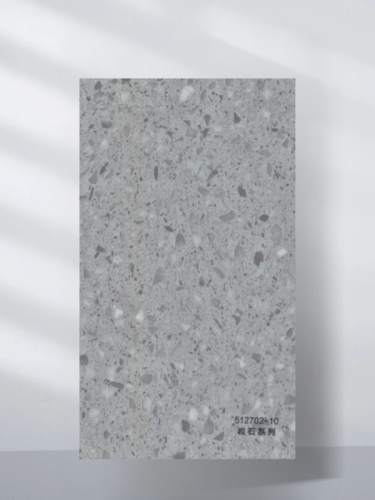
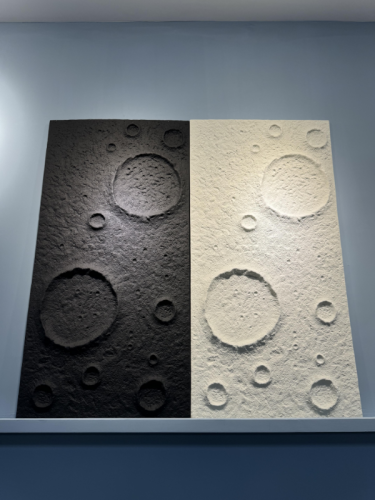
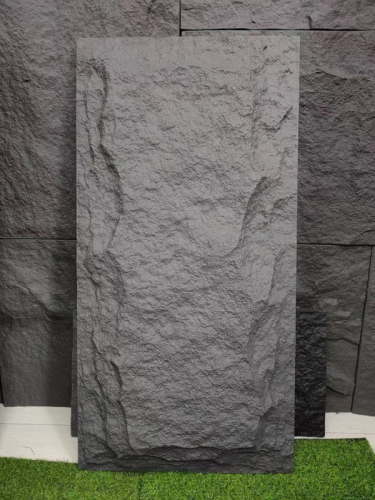
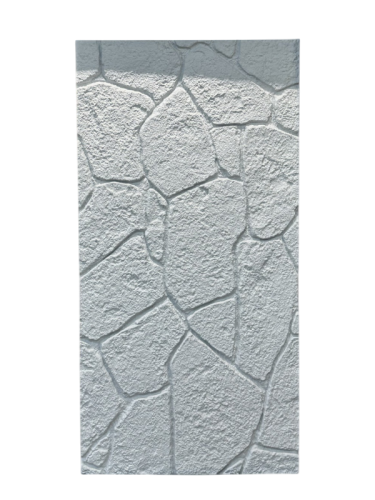
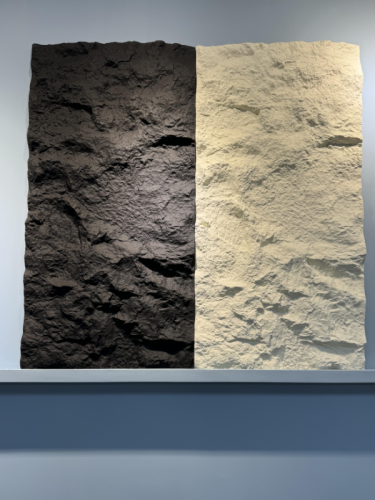
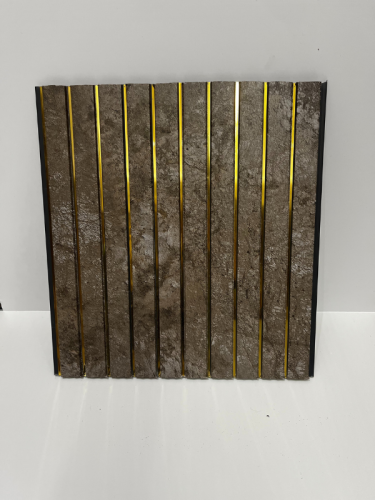
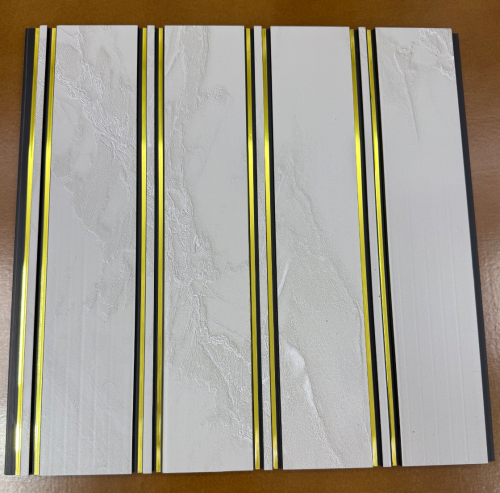
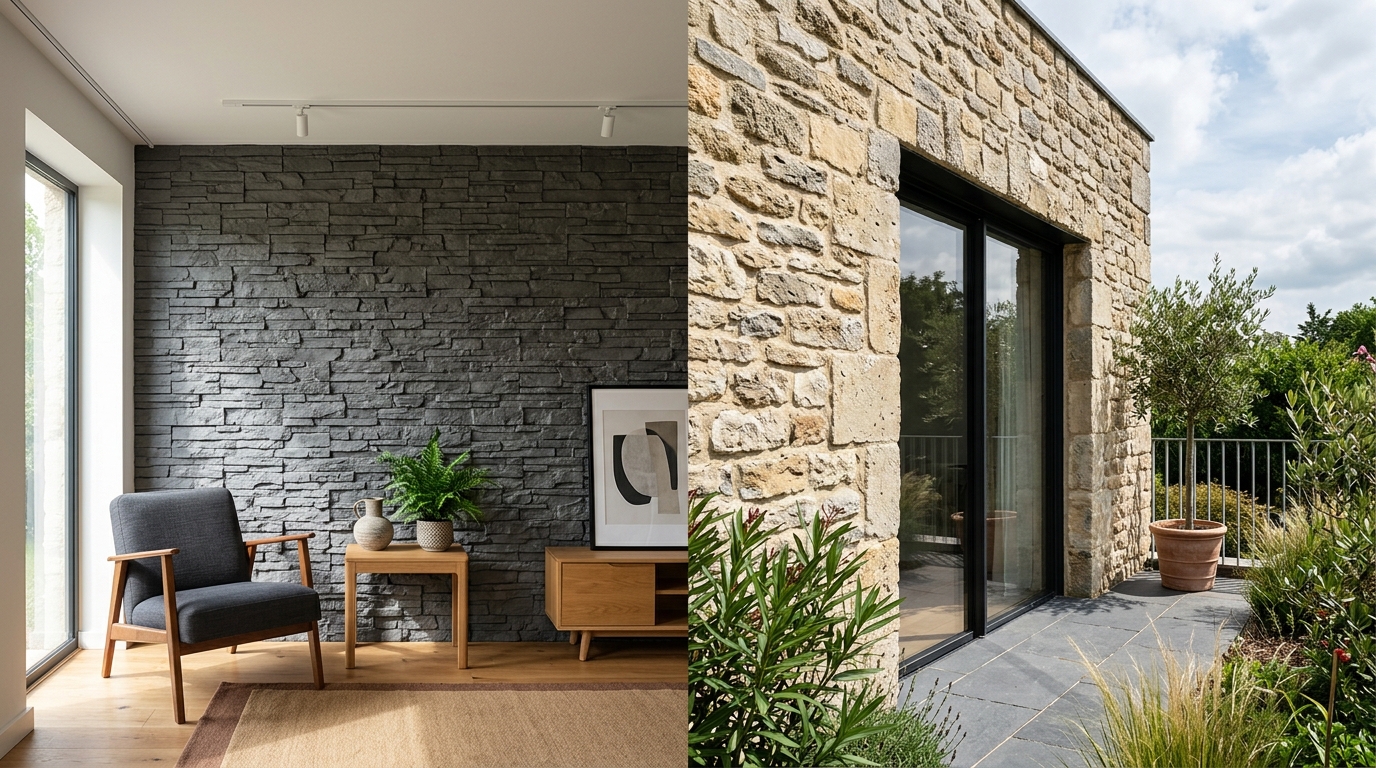
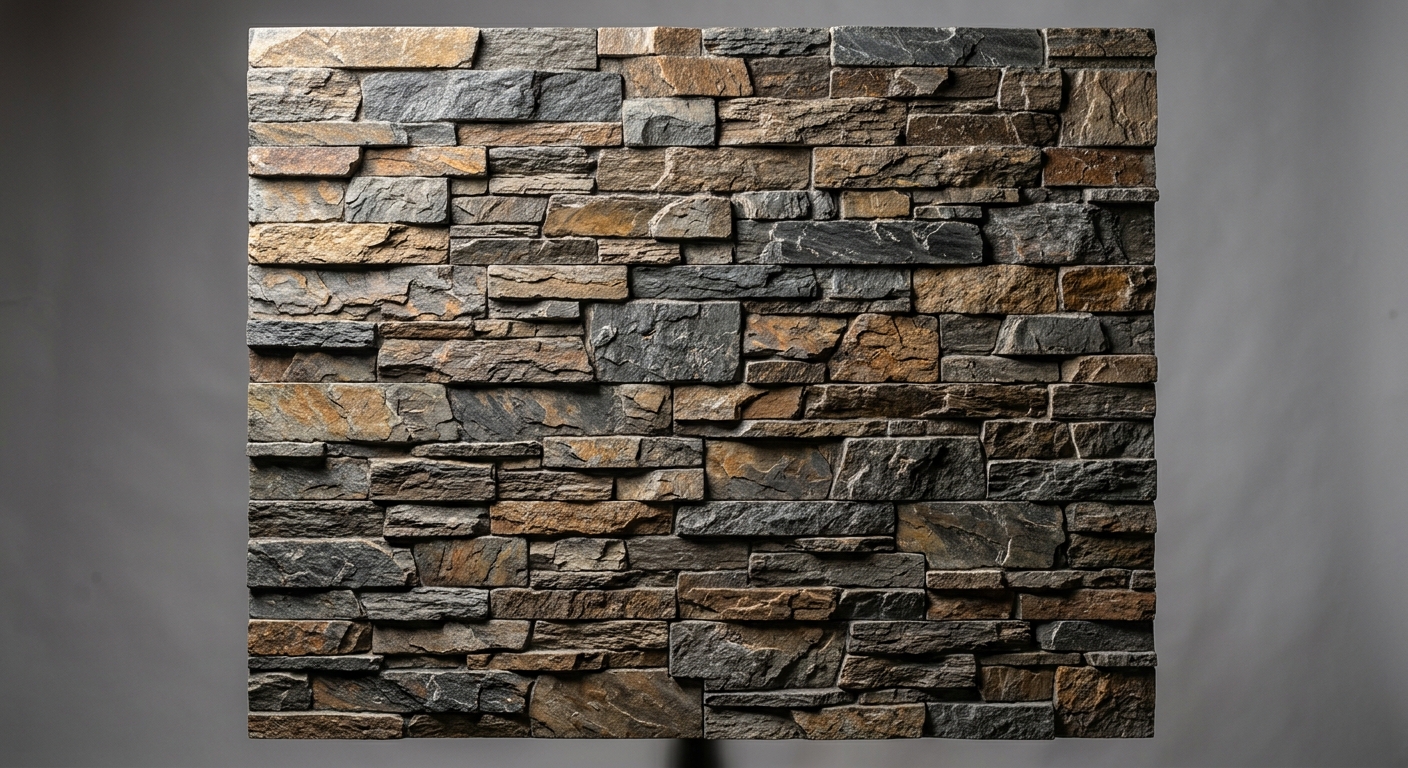
Most buyers assume “faux stone” means flimsy plastic. It doesn’t. PU stone panels are cast from polyurethane foam using molds taken directly from real stone — slate, ledgestone, travertine, brick. The mold captures every crack, groove, and texture, then a factory finish adds realistic color variation and matte or slightly glossy tones.
The result is a panel that reads as stone from three feet away but weighs like a picture frame. Density typically runs 200-400 kg/m³ depending on the formulation, compared to natural stone’s 2,000+ kg/m³. That weight difference is the entire business case for PU stone.
The Real Cost Breakdown — Not Just Material Price
Comparing sticker price alone is misleading. Natural stone cladding at $60/sqm sounds reasonable until you add labor, structural reinforcement, and waste factor. Here’s the full picture:
| Cost Factor | PU Stone Panels | Natural Stone |
|---|---|---|
| Material | $15-35/sqm | $40-120+/sqm |
| Labor | $8-15/sqm | $25-50/sqm |
| Structural prep | Rarely needed | Often required |
| Waste/breakage | 3-5% | 10-15% |
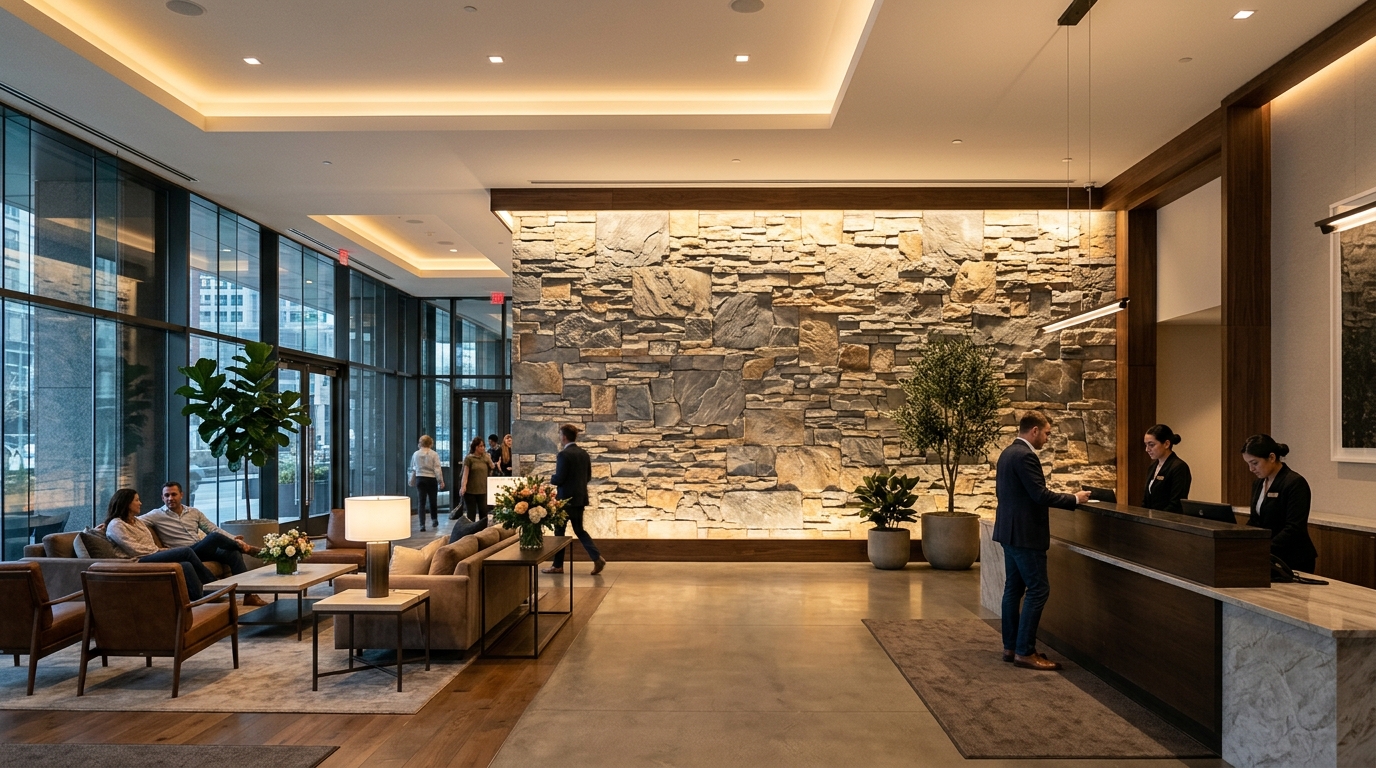
On a 200 sqm hotel lobby project, that gap translates to tens of thousands of dollars saved — money that often gets redirected into lighting, furniture, or other finishes that guests actually notice.
Weight Changes Everything About Installation
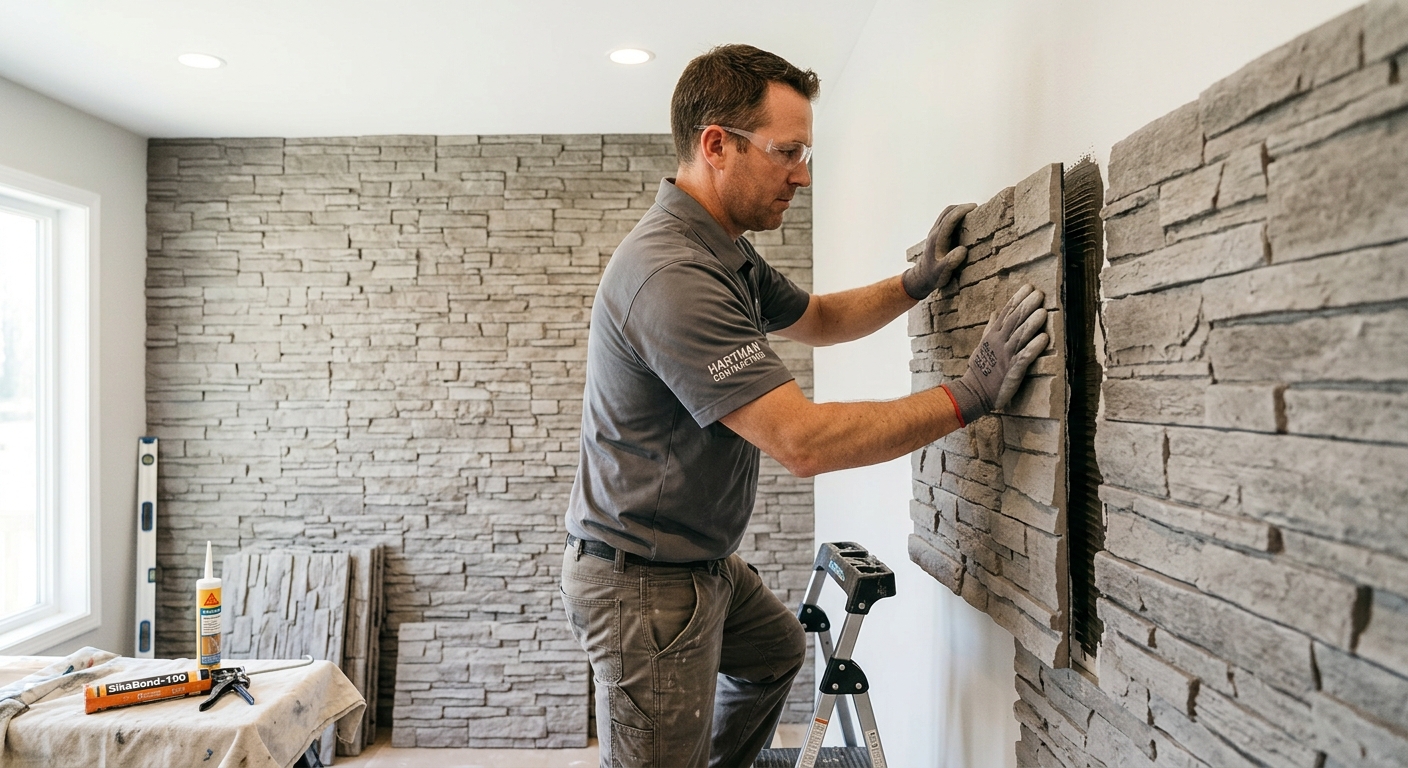
A single sheet of natural stone veneer can weigh 25-40 kg per square meter. PU stone panels weigh 2-4 kg per square meter. That’s not a minor spec — it changes who can install the material and how.
Natural stone typically needs mechanical anchoring, mortar beds, and sometimes engineered wall reinforcement, especially on upper floors or over drywall. PU stone panels mount with construction adhesive and a few screws, installed by a general contractor’s crew rather than a specialized mason team.
Real-World Example
A hospitality contractor renovating a 40-room boutique hotel used PU stone panels for accent walls in guest room headboards and lobby columns. Because the panels didn’t require structural sign-off, the project avoided a three-week engineering review that would have been triggered by adding real stone veneer to existing partition walls. The whole accent-wall package was installed in under two weeks.
Durability and Weather Resistance — Where Stone Still Wins
Natural stone is essentially permanent. Granite and slate facades survive 50+ years of weather exposure with minimal degradation. PU stone panels are rated more conservatively — typically 15-20 years for exterior applications, depending on UV stabilizers in the formulation and quality of the topcoat.
That said, PU stone doesn’t crack from freeze-thaw cycles the way natural stone can, and it won’t develop efflorescence (the white mineral staining common on porous stone in humid climates). For exterior decking edges, fence posts, or planter cladding exposed to constant moisture, this is actually an advantage. For load-bearing facades on a 30-story tower, natural stone remains the safer long-term bet.
Color Consistency: A Hidden Sourcing Problem With Natural Stone
Natural stone varies by quarry batch — sometimes dramatically. Importers who order slate cladding across two shipments often discover visible color mismatch on installed walls, a problem that’s nearly impossible to fix without re-sourcing an entire batch.
PU stone panels are mold-cast and factory-finished, so color and texture stay consistent across production runs. For distributors managing bulk orders across multiple job sites, this consistency reduces callback risk significantly. If you’re vetting suppliers on this exact issue, it’s worth reading how to vet a wall panel factory before you place a bulk order — the same QC principles apply to stone-look panels as they do to PVC and WPC wall panels.
Where Each Material Makes Commercial Sense
Neither material is universally better — the right choice depends on the project brief.
- Choose PU stone panels for: hotel and restaurant accent walls, retail feature displays, retrofit renovations where load limits matter, budget-conscious commercial fit-outs, and any project on a tight installation timeline.
- Choose natural stone for: heritage building restoration, ground-floor facades needing 50-year lifespan, ultra-luxury residential projects where authenticity commands a price premium, and load-bearing exterior walls.
A useful rule of thumb: if the stone look needs to survive close inspection and decades of weather with zero maintenance, go natural. If it needs to look great, install fast, and stay on budget, PU stone wins.
Shipping and Logistics: An Underrated Cost Factor
Natural stone’s weight doesn’t just complicate installation — it complicates freight. A 40ft container of granite veneer might hold far less usable square footage than the same container loaded with PU stone panels, simply because you hit the weight limit before the volume limit.
For importers running cost models on a per-container basis, PU stone panels typically deliver 3-5x more coverage area per container compared to natural stone veneer of similar thickness. That directly lowers landed cost per square meter — a detail that matters when comparing supplier quotes side by side. Loading errors compound this problem; see common container loading mistakes that delay building material shipments for related sourcing pitfalls worth avoiding.
What to Check Before Placing a Bulk Order
Not all PU stone panels are equal. Cheap versions use low-density foam that dents easily and fades within a few years under direct sun. Before committing to a bulk order, ask your supplier for:
- Density specification (aim for 250+ kg/m³ for exterior use)
- UV stabilizer content and warranty period against fading
- Fire rating documentation, especially for hospitality and commercial projects
- Sample panels tested outdoors for at least a few weeks before full production
These same due-diligence steps apply broadly across decorative building materials — the sourcing logic doesn’t change much whether you’re buying stone-look panels, PVC or WPC wall panels, or SPC flooring.
-
PVC vs WPC vs SPC Wall Panels: Which One Wins for Your Project?
09 Jun, 2026
-
WPC Decking Maintenance Tips: A Practical Care Guide for Long-Lasting Outdoor Decks
09 Jun, 2026
-
UV Marble Sheet Buying Guide: How to Source the Right Panels in 2026
09 Jun, 2026
-
UV Marble Panels in Hotel Lobbies: 5 Real Projects That Replaced Real Stone
09 Jun, 2026