












How Raw Material Sourcing Affects the Quality of PVC Wall Panels
-
 By Sytech
-
 25 Aug, 2026
-


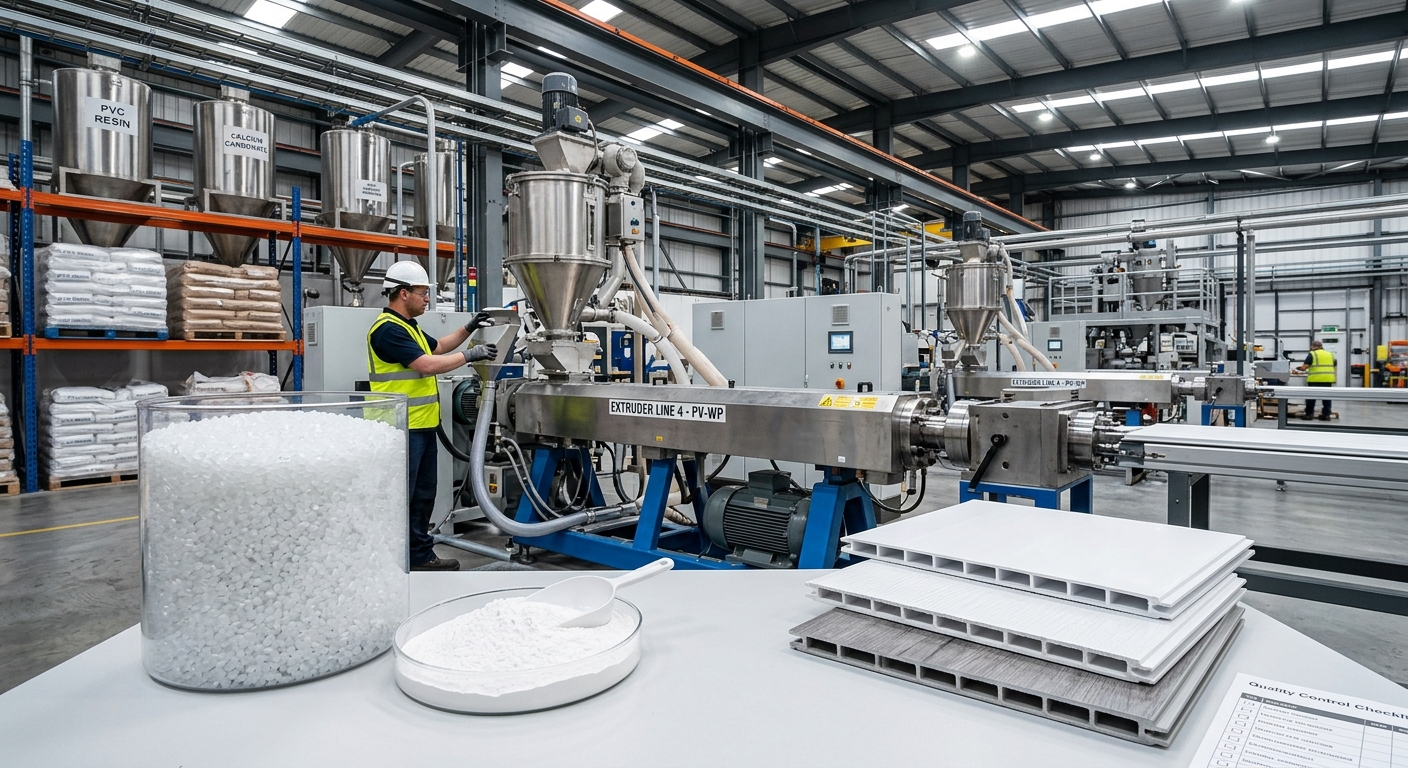
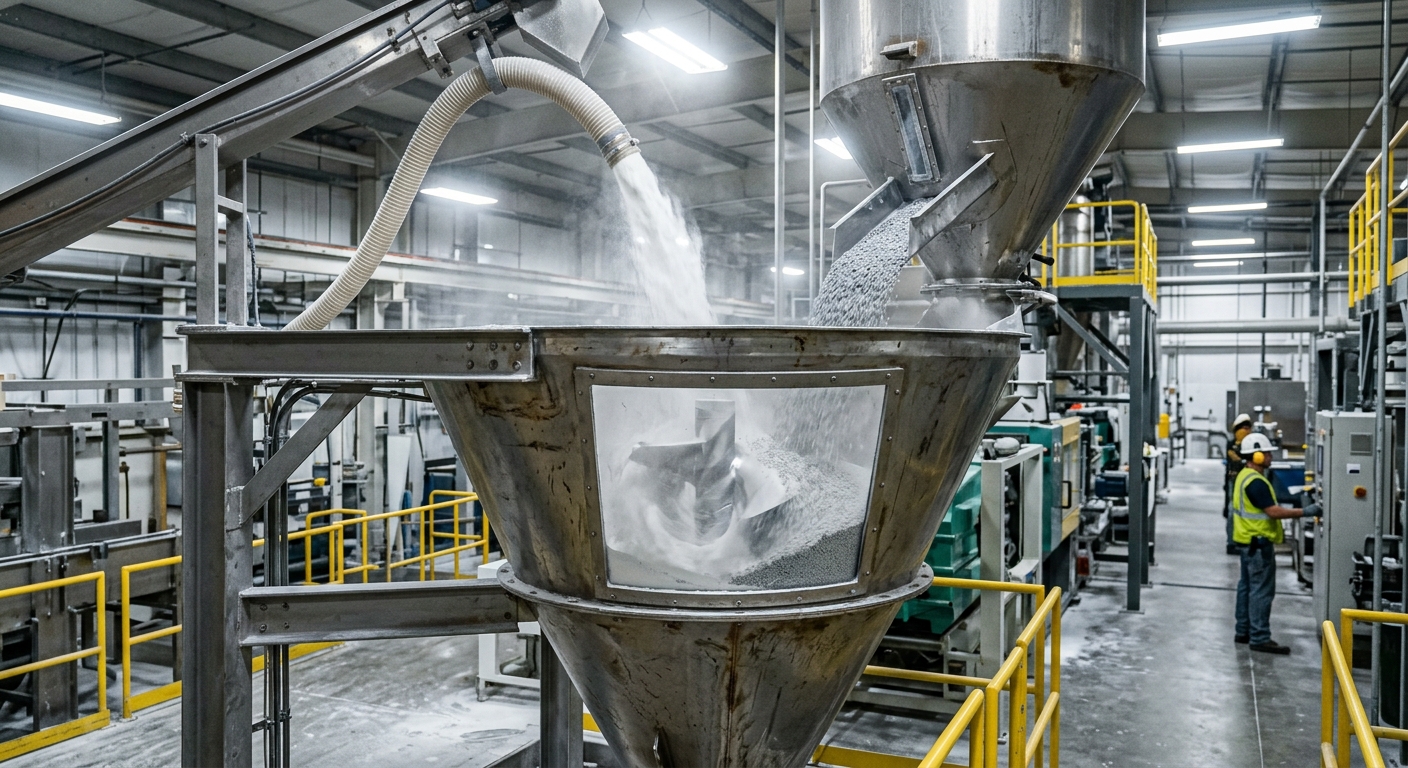
The quality of a PVC wall panel is decided before it ever touches an extruder — it’s decided in the resin silo. Panels made with virgin PVC resin, a controlled calcium carbonate ratio, and a proper additive package resist cracking, yellowing, and warping for years; panels loaded with recycled fillers and cheap stabilizers start showing problems within one hot summer. If you’re sourcing panels by price alone, you’re gambling with a variable most buyers never think to ask about.
PVC Resin Grade: The Single Biggest Quality Lever
Not all PVC resin is created equal, and this is the first thing that separates a durable panel from a brittle one. Most reputable factories use virgin PVC resin (often K-value 65-70) as the base polymer, which gives the panel its flexibility, impact resistance, and dimensional stability. Cheaper producers substitute a portion of virgin resin with recycled or reprocessed PVC scrap — sometimes up to 30-40% of the formula — to cut material cost.
The problem? Recycled PVC carries inconsistent molecular weight and contamination from prior processing, which shows up as brittleness, uneven surface texture, and micro-cracking during installation. A panel that flexes cleanly around a corner bracket when made with virgin resin will often snap or hairline-crack under the same pressure if it’s a high-recycled-content blend.
What to ask your supplier
- What percentage of virgin vs. recycled resin is in the formula?
- Can they provide a resin supplier name or certificate of origin?
- Will they test-bend a sample panel to 90 degrees without cracking?
Calcium Carbonate Ratio: Filler Isn’t Free
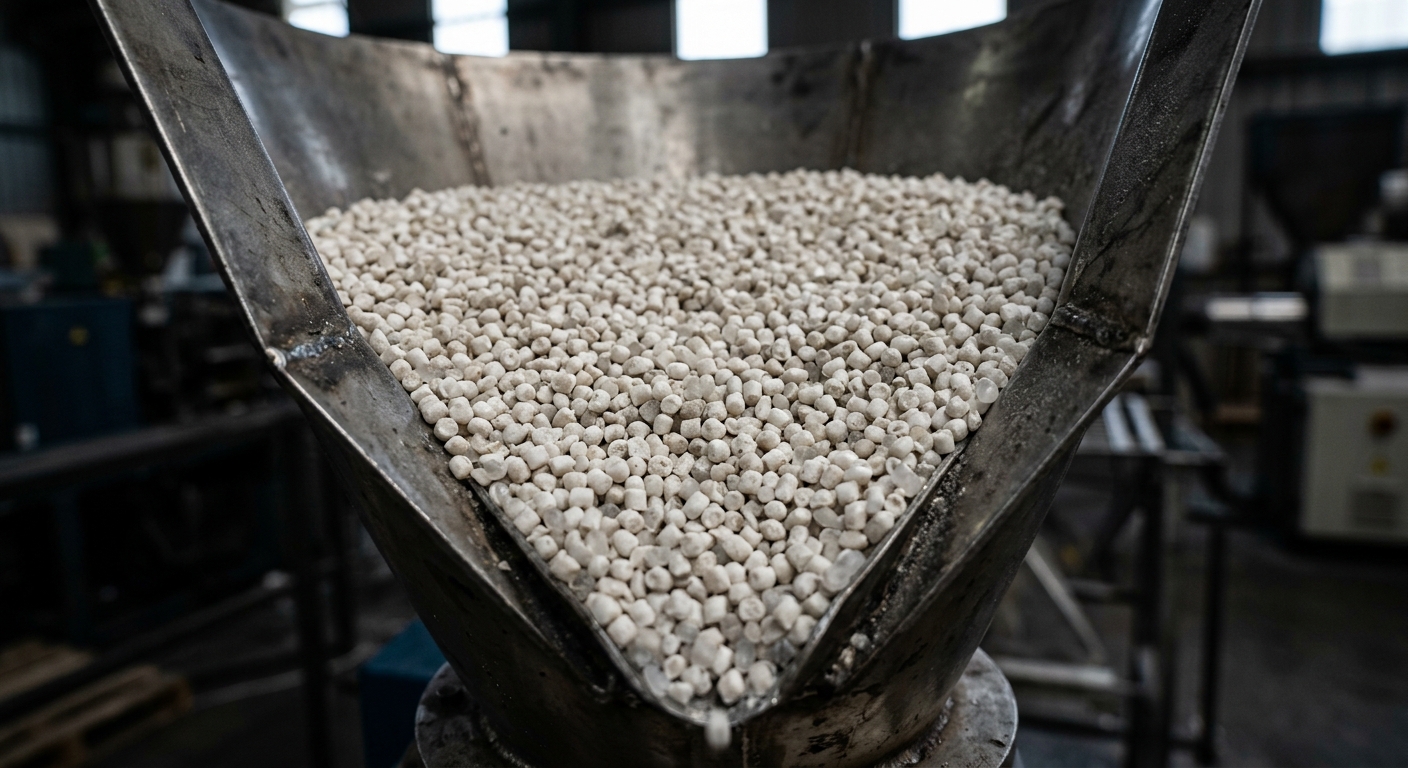
Calcium carbonate (CaCO3) is a legitimate and necessary filler in PVC wall panel production — it improves rigidity and lowers cost. But there’s a tipping point. Quality panels typically run a CaCO3-to-resin ratio that keeps the filler supporting the structure without overwhelming it. Once a factory pushes filler content too high to save on resin cost, the panel becomes heavier, more brittle, and prone to a chalky, dusty surface over time as the filler migrates outward under UV and moisture exposure.
For instance, an importer in the Middle East once complained about panels turning powdery to the touch after eight months of sun exposure — a classic sign of excess, low-grade calcium carbonate filler breaking down at the surface. The fix wasn’t a different coating; it was a different raw material formula altogether.
Additive Packages: UV Stabilizers, Impact Modifiers, and Flame Retardants
The additive package is the part buyers almost never see on a spec sheet, yet it determines whether panels survive real-world conditions. Three additive categories matter most:
- UV stabilizers — prevent yellowing and chalking under sunlight; critical for panels near windows, balconies, or exterior-facing applications.
- Impact modifiers — improve toughness so panels resist cracking during transport, drilling, or accidental knocks on site.
- Flame retardants — required for hotel, office, and public building projects where fire-rated materials (like B1 or Class A ratings) are specified.
Factories cutting costs often reduce additive dosage rather than swap raw materials outright, because it’s harder for buyers to detect in a quick inspection. This is exactly why it pays to review technical documentation, not just visual samples, when comparing PVC wall panels and related products from different suppliers.
Surface Film and Foil Quality: Where Bad Sourcing Becomes Visible
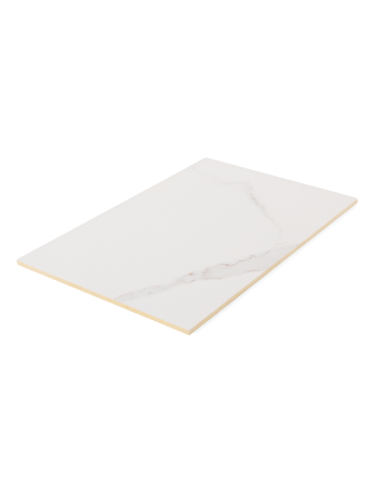
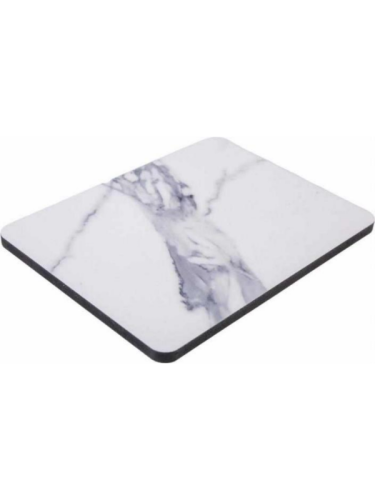
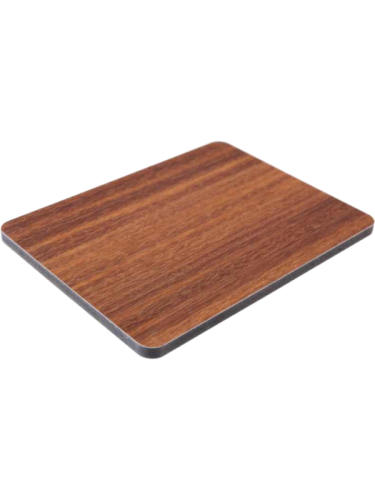
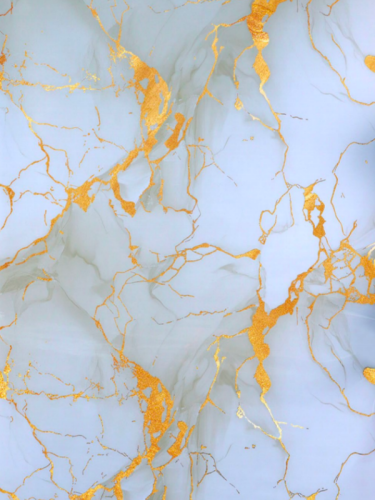
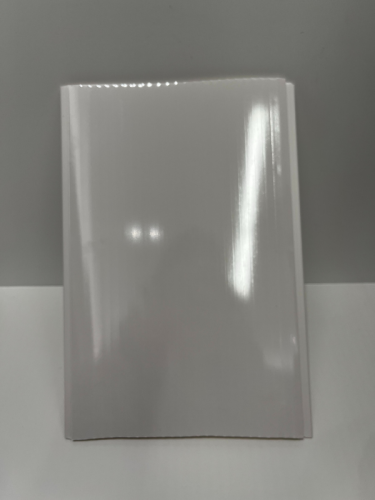
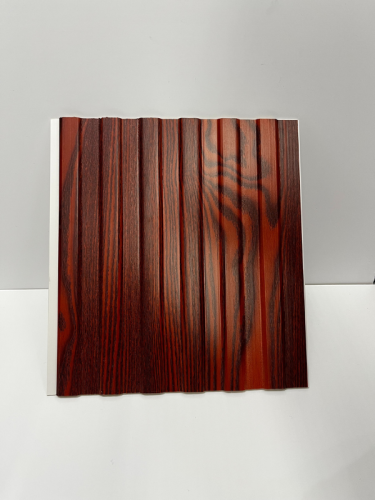
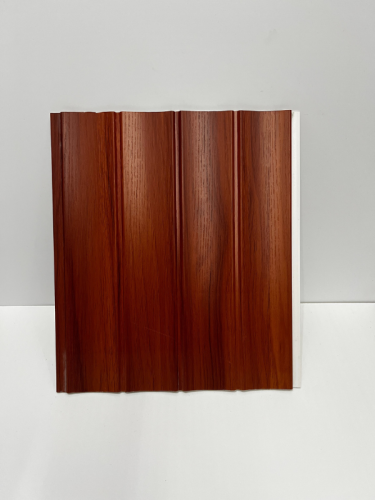
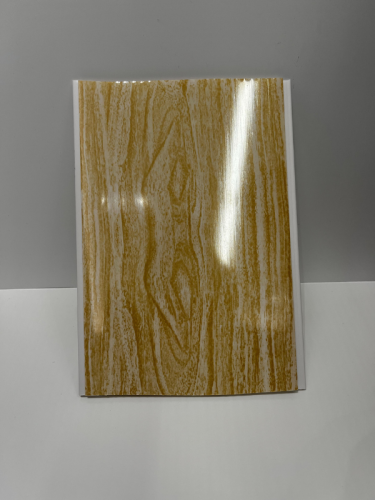
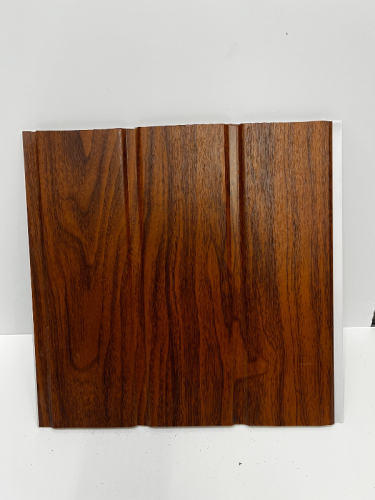
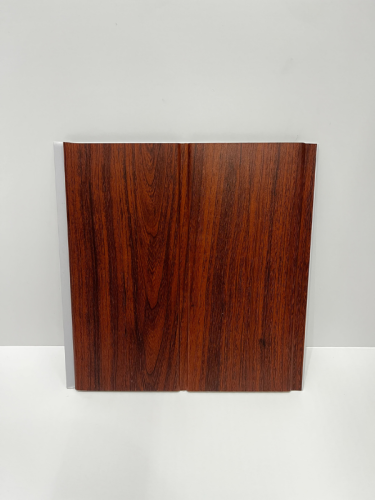
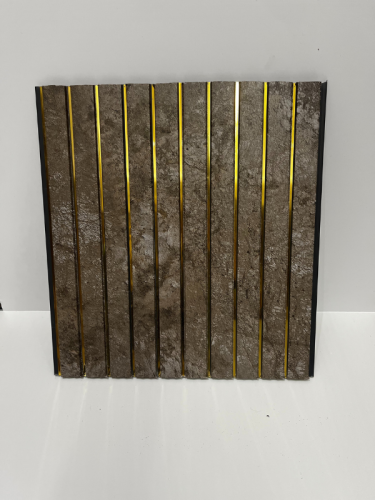
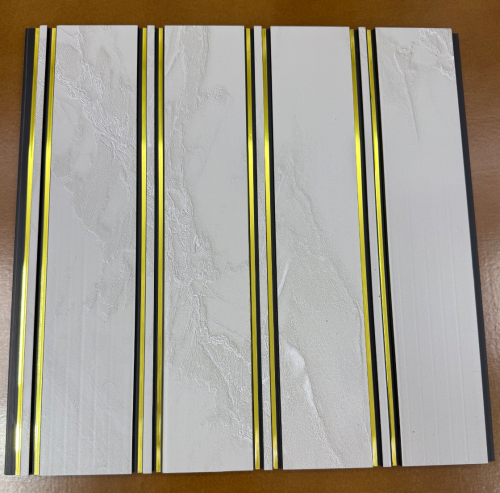
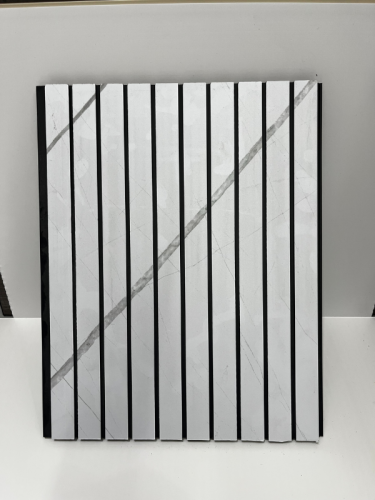
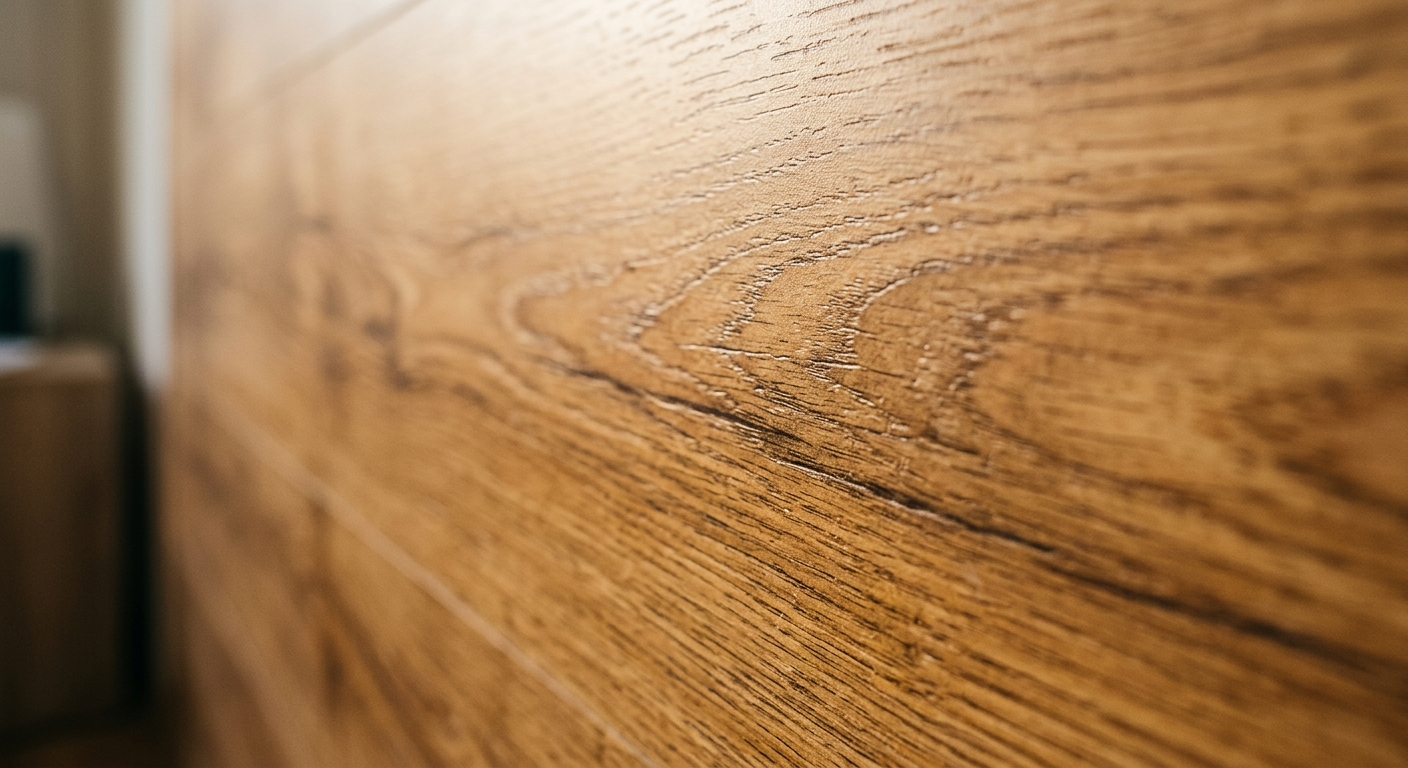
Even a solid core formula can be undermined by a poor decorative film or foil layer. Low-grade laminate film uses thinner PVC or PET base layers with weaker printed ink adhesion, which leads to fading, peeling at seams, and inconsistent wood-grain or marble patterns across a production batch. Buyers stocking panels for hospitality or retail projects — where large continuous walls make pattern repetition and color mismatch obvious — feel this problem the most.
Compare this to UV marble sheet buying guidance, where the coating and film quality directly determines gloss retention and scratch resistance over years of use, not just months.
How Raw Material Choices Affect Dimensional Stability
A panel that’s 8mm thick in the factory but measures 7.6mm on delivery has a raw material problem, not a shipping problem. Inconsistent resin-to-filler ratios and poor extrusion cooling control cause shrinkage and warping after panels leave controlled factory conditions and hit humid or hot storage environments. This is one of the most common complaints from importers who source purely on unit price without verifying formula consistency batch to batch.
A quick field test
Lay ten panels from the same shipment flat on the floor overnight. If more than one or two show visible bowing or edge lift by morning, that’s a strong signal of raw material inconsistency — not a one-off defect.
Why Direct Raw Material Sourcing Changes the Whole Equation
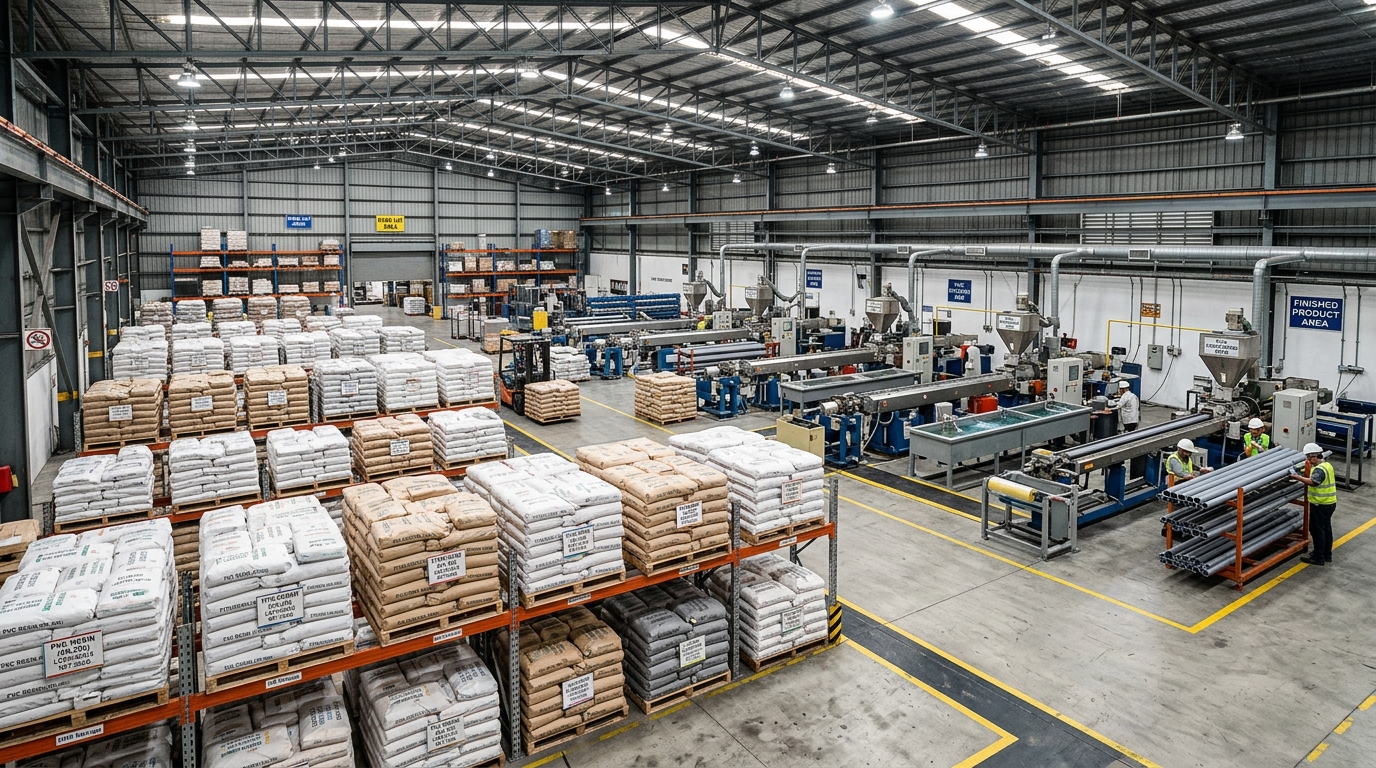
Factories that source resin and additives directly from established chemical suppliers — rather than through middlemen or opportunistic scrap traders — can guarantee formula consistency shipment after shipment. This matters enormously for distributors placing repeat container orders, because a panel that performs well in month one but drifts in quality by month six erodes trust with your own customers.
This is also why vetting a wall panel factory before a bulk order should include questions about raw material sourcing relationships, not just factory floor photos. A factory with 30+ production lines and direct raw material contracts, like BONA’s setup, can hold tighter tolerances than a smaller trading operation reselling whoever’s resin is cheapest that month.
PVC vs. WPC: Does Raw Material Sourcing Matter Differently?
Yes — and understanding the difference helps buyers choose the right product for the right application. WPC (wood-plastic composite) panels blend wood fiber with polymer, so sourcing quality wood flour and moisture content control matters as much as resin grade. PVC panels are entirely synthetic, so resin and filler purity are the dominant quality factors. If you’re deciding between the two for a project, the deeper comparison in PVC vs WPC Wall Panels: Which One Should Importers Stock in 2026? breaks down where each material’s raw material sensitivities show up in real installations.
Quality Inspection Checkpoints Tied to Raw Materials
You can’t inspect raw material quality by eye alone once it’s compounded into a panel, but you can inspect its downstream effects. Reliable QC checkpoints include:
- Bend test at installation-relevant angles to check for cracking
- Weight consistency check across panels from the same batch
- Accelerated UV exposure comparison against a control sample
- Surface hardness test (Shore D) to flag excess or insufficient filler
Buyers managing container shipments should also review container loading practices for building materials, since poor raw material formulas combined with rough handling during loading compound the risk of arrival damage.
-
PVC vs WPC vs SPC Wall Panels: Which One Wins for Your Project?
09 Jun, 2026
-
WPC Decking Maintenance Tips: A Practical Care Guide for Long-Lasting Outdoor Decks
09 Jun, 2026
-
UV Marble Sheet Buying Guide: How to Source the Right Panels in 2026
09 Jun, 2026
-
UV Marble Panels in Hotel Lobbies: 5 Real Projects That Replaced Real Stone
09 Jun, 2026