


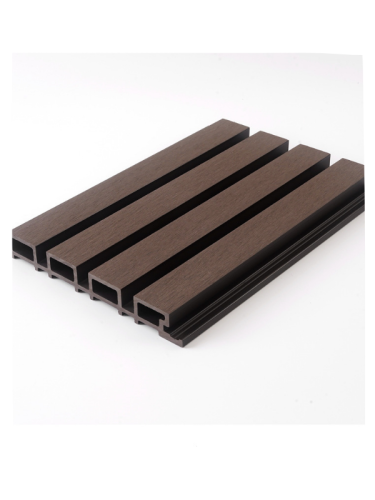
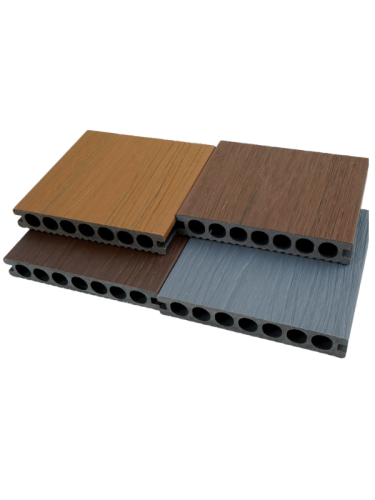
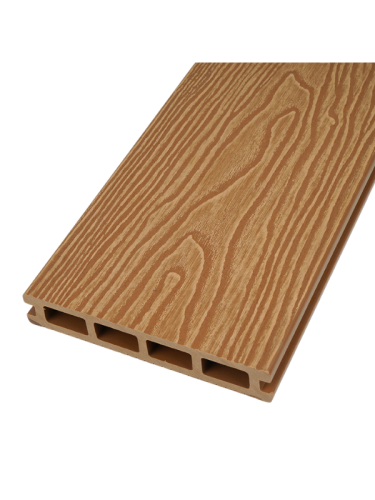
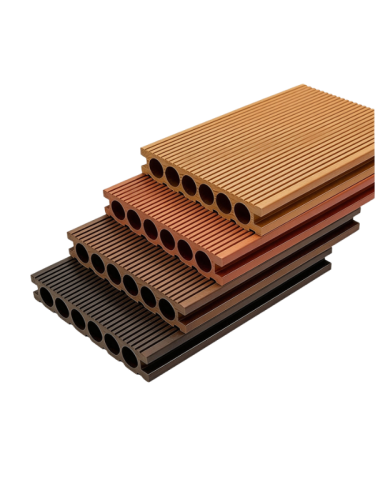
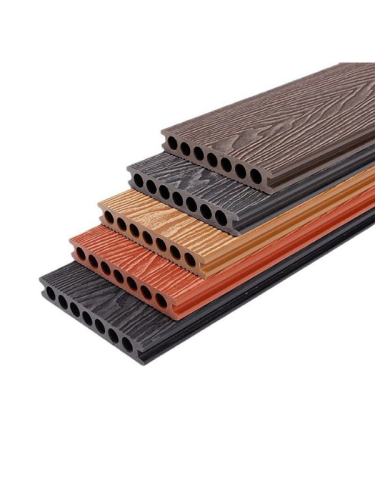
Why WPC Decking Cracks, Fades, or Warps — And How to Avoid It
-
 By Sytech
-
 09 Jun, 2026
-


WPC decking cracks, fades, or warps for three main reasons: poor raw material ratios (too much filler, too little virgin HDPE or PE), incorrect installation (no expansion gap, no ventilation under the boards), and prolonged UV or moisture exposure on uncapped surfaces. Solve those three variables — material quality, installation discipline, and surface protection — and a properly made WPC deck will hold its shape and color for 10 to 15 years. The rest of this guide breaks down exactly where things go wrong and how buyers can specify and install decking that doesn’t come back as a complaint.
The Real Reason Cheap WPC Decking Fails Early
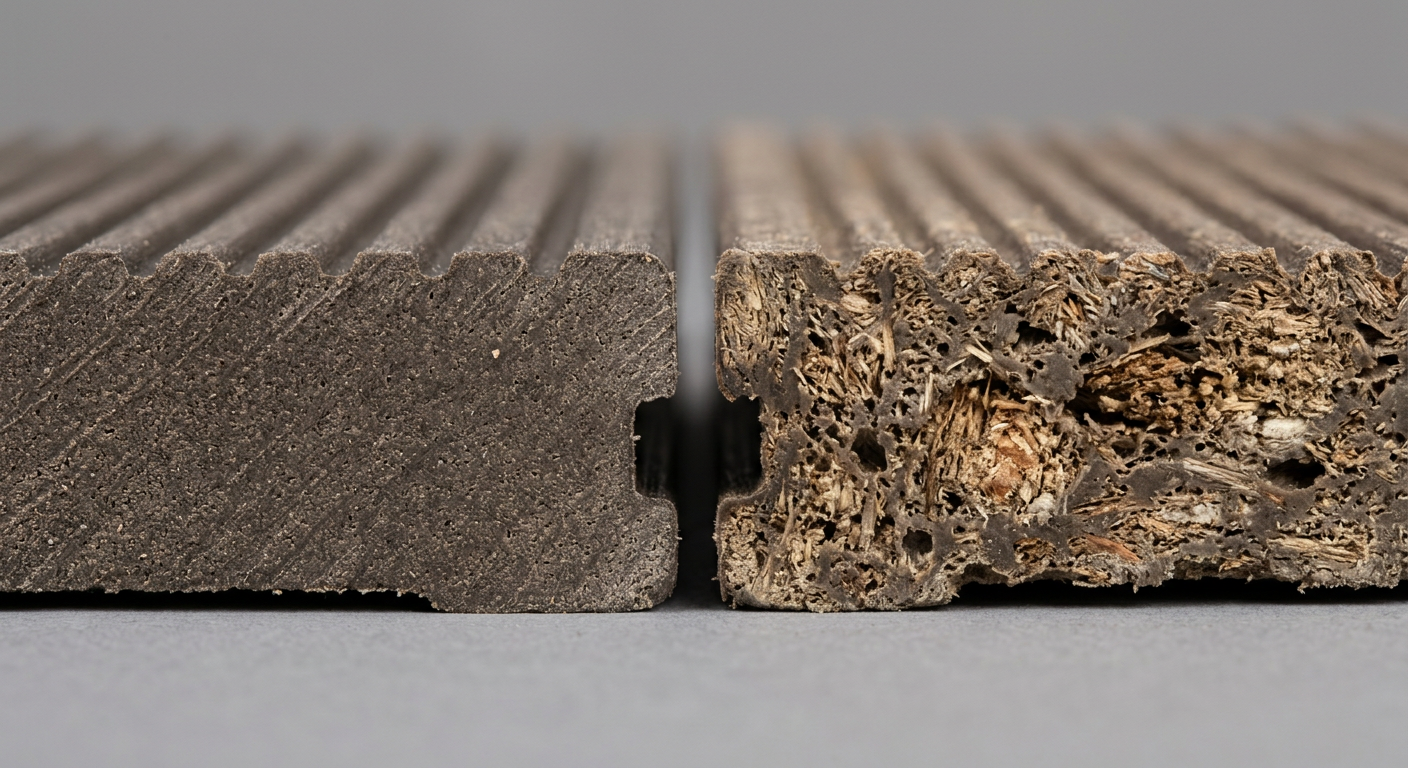
Most WPC failures trace back to one thing: the recipe. A solid WPC board is roughly 50–60% wood flour, 30–40% HDPE or PE resin, and 5–10% additives (UV stabilizers, lubricants, coupling agents, pigments, anti-fungal agents). Cut the resin content to save cost, push the filler above 65%, and the board becomes brittle and water-hungry.
You can usually feel it. A quality board sounds dense when tapped and has a slightly waxy surface. A poorly compounded board sounds hollow even when solid, feels chalky, and develops white fuzz along the cut edges after a few months outdoors. That fuzz is exposed wood fibers swelling with humidity — and once swelling starts, cracking follows.
For instance, a contractor in the Middle East once ordered two container loads from two suppliers for back-to-back villa projects. The cheaper batch (heavier filler load) showed hairline surface cracks after one summer at 45°C surface temperature. The properly formulated batch from the same climate zone is still intact three years on. The price gap was about USD 1.20 per linear meter. The warranty claims wiped out ten times that.
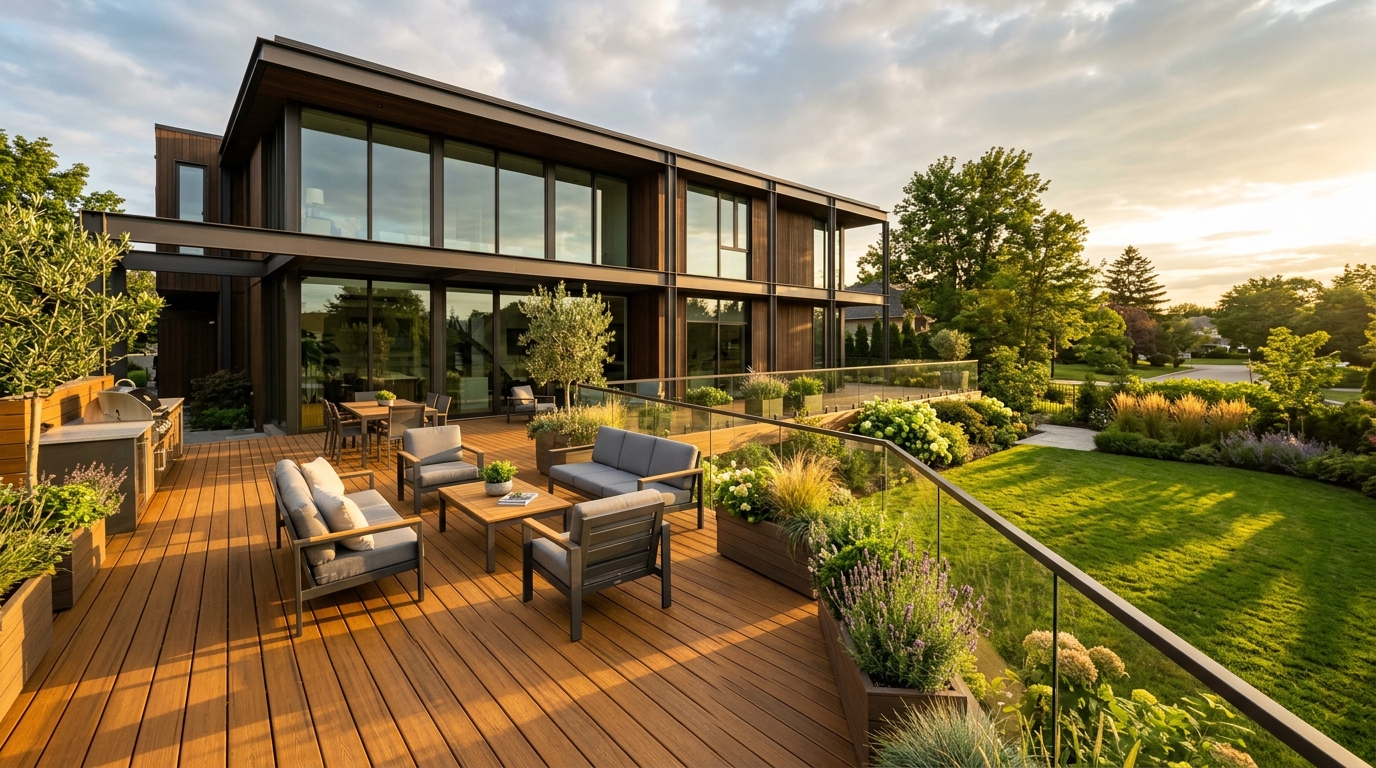
Why Fading Happens — And When to Specify a Capped Board
UV fade is not a defect. It is physics. Wood flour inside WPC oxidizes when hit by UV-B radiation, and standard pigments shift hue over time. The question is how fast.
An uncapped WPC board with a basic HALS (hindered amine light stabilizer) package typically loses 20–30% of color saturation in the first 12–18 months, then stabilizes. Buyers often misread this initial “weathering shift” as failure. It is not — but it does look uneven if some boards are shaded by railings or planters while others bake in full sun.
When to upgrade to co-extruded capped decking
- Rooftop terraces, poolside decks, and any south-facing surface above 35° latitude
- Hotel and resort projects where color uniformity is contractually required
- Climates with high annual UV index (Gulf, Australia, Southern Europe, Mexico)
- Dark colors (charcoal, espresso) — they fade more visibly than mid-tones
A polymer cap layer (usually PE or PP, 0.3–0.5 mm thick) sealed to the core during extrusion blocks UV from reaching the wood flour entirely. Real-world data from our own factory testing shows ΔE color change under 5 after 3,000 hours of QUV exposure on capped products, versus ΔE 12–18 on uncapped equivalents.
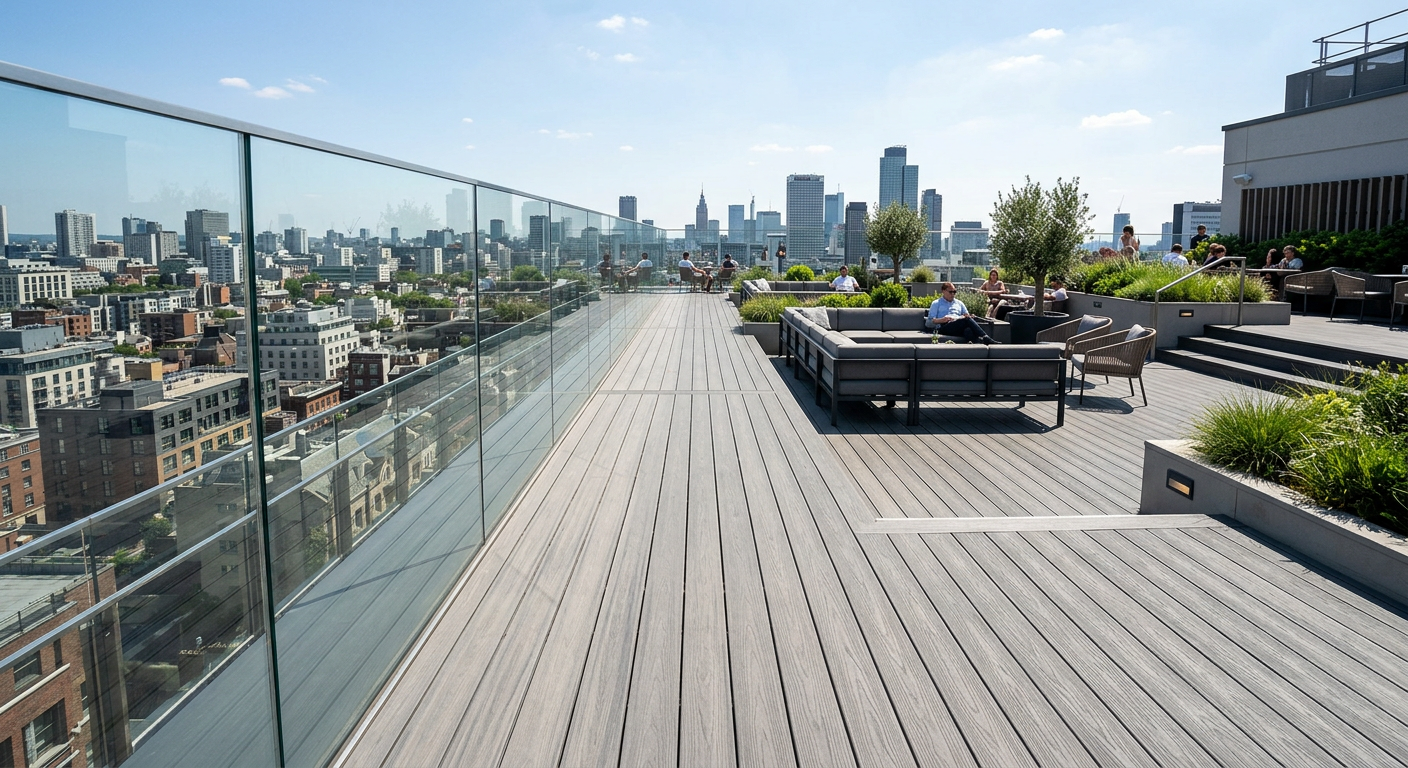
Warping: It’s Almost Always an Installation Issue
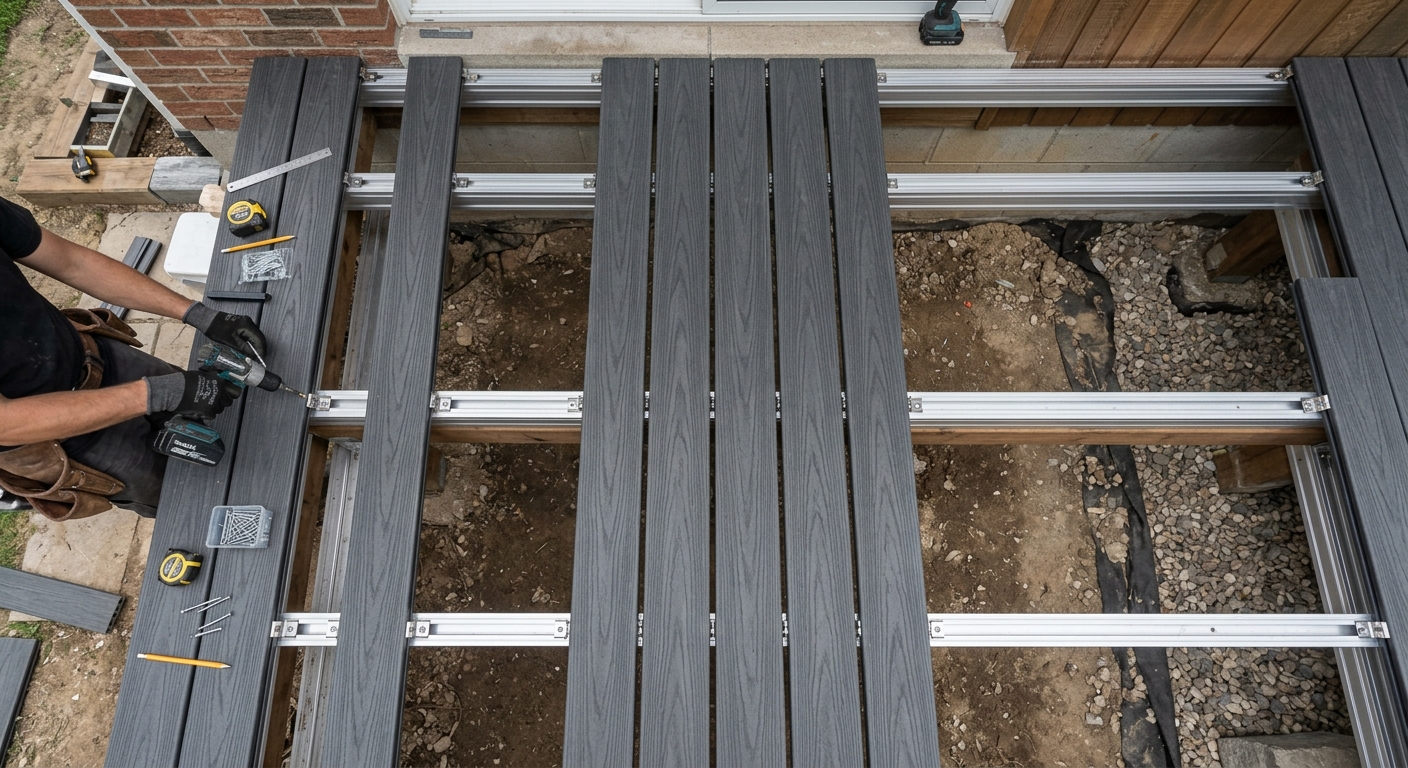
If a deck warps within the first season, the installer is the prime suspect — not the board. WPC expands and contracts roughly 1.5–3 mm per linear meter across a 30°C temperature swing. Skip the expansion gap and the board has nowhere to go. It bows.
The four installation rules that prevent warping
- End-to-end gap: 5–8 mm between board ends in summer installation, 8–12 mm in winter installation
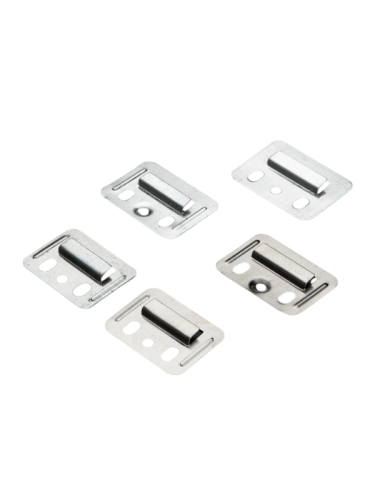
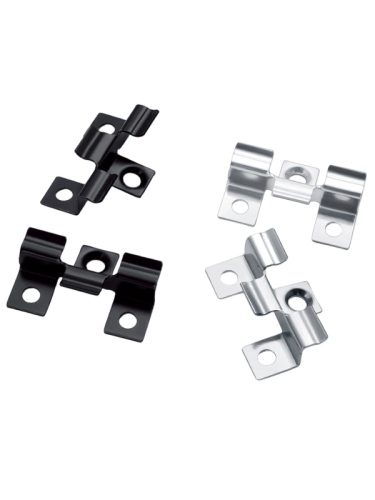
- Side gap: 4–6 mm between board edges using hidden clips
- Joist spacing: 300–350 mm center-to-center for residential, 250 mm for commercial traffic
- Ventilation: at least 30 mm air space below the board, with cross-flow openings every 3–4 meters
One restaurant project in Southeast Asia learned this the hard way. The deck was installed directly on a sealed concrete slab with no ventilation channels. Trapped moisture from the slab pushed up into the boards from underneath while the top surface dried in the sun. Result: every other board cupped within four months. The fix wasn’t replacing the WPC — it was rebuilding the substructure with aluminum joists and a drainage layer.
Hollow vs. Solid: Which One Is Actually More Stable?
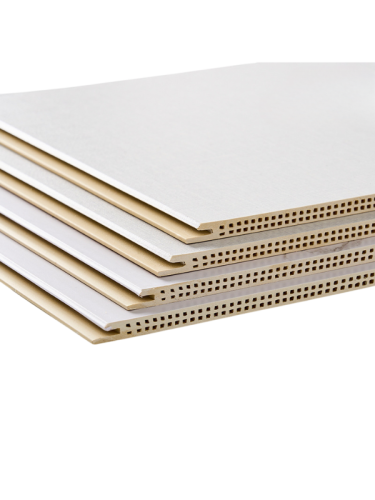
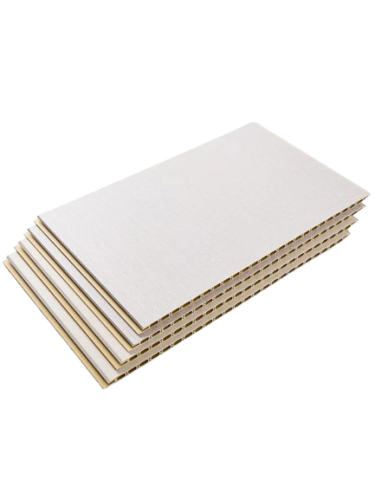
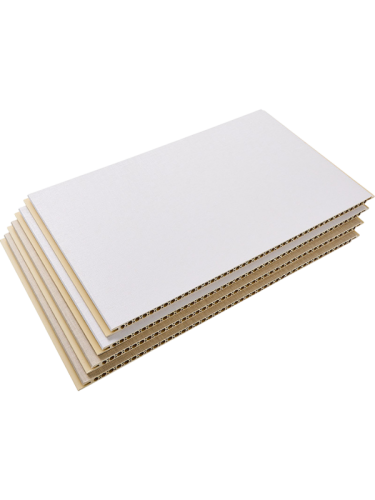
Buyers assume solid boards are always better. Not exactly. A hollow board with a well-designed internal rib structure can be more dimensionally stable than a poorly extruded solid board, because hollow cavities reduce internal thermal stress and lower weight per meter.
The honest breakdown:
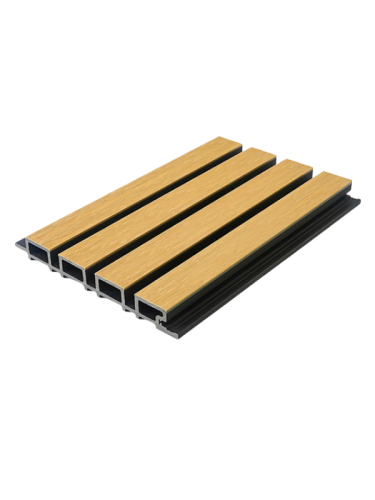
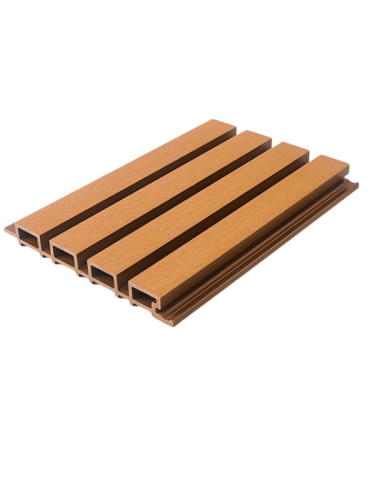
- Hollow WPC — lighter (about 2.0–2.4 kg/m for 140×25 mm), faster to install, lower material cost, but more vulnerable to point-load cracking and edge damage during shipping
- Solid WPC — heavier (3.0–3.6 kg/m), better impact resistance, premium feel underfoot, preferred for commercial walkways and high-traffic public spaces
For most residential villas and balconies, a quality hollow board with capped surface delivers the best cost-to-performance ratio. For boardwalks, marinas, and hotel pool decks where heavy planters or service carts roll across, solid capped is worth the upcharge.
How Moisture Sneaks Into a WPC Deck (And Kills It)
WPC is water-resistant, not waterproof. The polymer matrix repels surface water beautifully. But every cut end, drilled hole, and unsealed clip channel is a pathway for moisture into the wood-flour interior.
Where most water damage starts
- Field-cut board ends left unsealed
- Screw penetrations through the top surface instead of hidden clips
- Standing water on flat decks with insufficient slope (minimum 1% drainage slope required)
- Direct contact with soil, mulch, or planter bases without a drainage gap
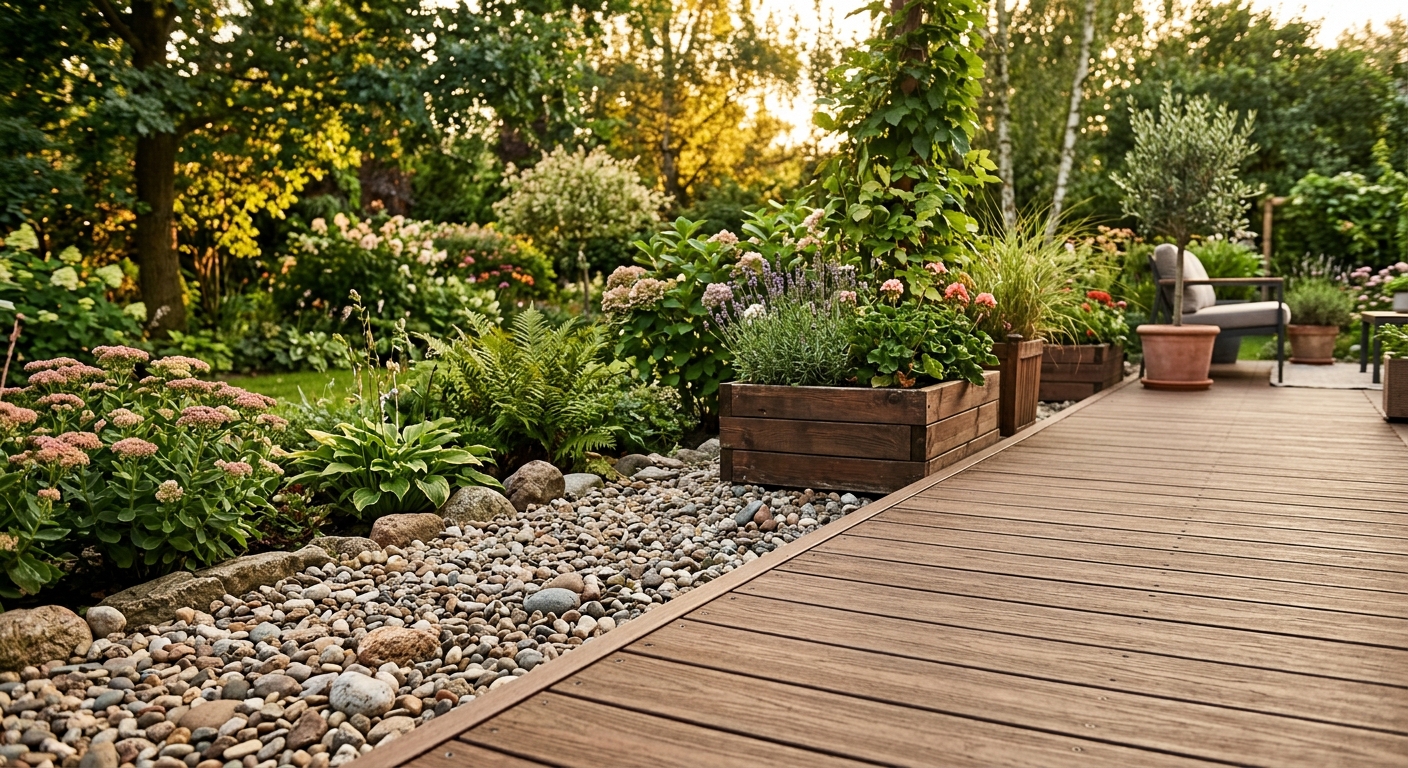
The fix is procedural: every cut end should be sealed with a manufacturer-approved end cap or polymer sealant, and the deck surface should slope away from the building at 10 mm per meter minimum. A garden designer working on a courtyard installation in a humid coastal city specified end caps on all 1,200 board ends as part of the BOQ — adding about 2% to material cost. Three years later, zero swelling at any cut edge.
What to Check Before You Buy: A B2B Sourcing Checklist
If you import or distribute WPC decking, ask the supplier these specific questions. Vague answers are themselves an answer.
- Raw material ratio: exact percentage of virgin HDPE vs. recycled, exact wood flour percentage, additive package details
- Density: finished board should be 1.2–1.4 g/cm³ for solid, 1.1–1.3 g/cm³ for hollow
- Water absorption test: ask for ASTM D1037 or EN 317 results — quality boards stay below 1%
- UV testing: minimum 1,000 hours QUV with ΔE results documented
- Flexural strength: above 20 MPa for solid, above 15 MPa for hollow
- Slip resistance: R10 or better for wet outdoor applications
- Production capacity and lead time: can the factory deliver full container loads from a single production batch (color consistency matters)
At BONA, our 30+ production lines and direct raw material sourcing let us lock the formulation across an entire project order. That single-batch consistency is what separates a clean hotel terrace from a patchwork-looking one six months in. You can review our full decking range on the products page or browse finished installations in the showroom.
Maintenance Mistakes That Accelerate Damage
Even good decking gets ruined by bad maintenance. The most common offender? Pressure washers set above 1,500 PSI held too close to the surface. High-pressure water blasts the cap layer or scours the surface of uncapped boards, exposing wood fibers and accelerating fade.
The right way to clean WPC
- Sweep debris weekly — accumulated leaves trap moisture and stain the surface
- Wash with warm soapy water and a soft-bristle brush every 3–6 months
- If using a pressure washer, stay under 1,200 PSI and keep the nozzle 30 cm from the surface
- For oil or grease stains, use a degreaser within 24 hours — dried oil penetrates the cap layer
- Never use bleach, acetone, or solvent-based cleaners on capped products
Snow and ice? Use plastic shovels and calcium-magnesium-acetate (CMA) deicers. Rock salt and metal shovels will eventually scratch the surface and create micro-channels for water ingress.
When to Replace vs. When to Refinish
Not every aging deck needs replacement. If the structural core is sound and the issue is only surface fade or light scratches, sanding and refinishing is possible on uncapped WPC — though it removes the original factory finish. Capped WPC cannot be sanded without destroying the protective layer; if the cap fails, individual boards should be swapped out.
Quick decision guide
- Fade only, uncapped board: light sanding + UV-protective oil (refresh, don’t replace)
- Fade only, capped board: live with it or replace — sanding voids the protection
- Cupping or bowing across multiple boards: diagnose substructure first, replace boards as secondary step
- Hairline cracks across many boards: material defect — claim against the supplier if within warranty
- End-swelling on cut boards: trim affected ends, reseal, monitor
Single-board replacement is one of the underrated advantages of clip-installed WPC. A trained installer can pop out and replace a damaged board in 10–15 minutes without disturbing the rest of the deck — assuming you have matching boards from the original batch in storage. That’s why we recommend buyers order 5–8% extra at the time of the project.
Choosing a Decking Supplier That Won’t Cause These Problems
Most WPC failures in the field aren’t manufacturing accidents — they are the predictable outcome of cutting corners on formulation, skipping QC, or shipping mixed batches as one order. The fix is upstream: pick a manufacturer with consistent raw material sourcing, in-house extrusion control, batch traceability, and documented testing.
BONA New Material Tech operates its own factories with 30+ production lines, direct raw material procurement, and full QC on every batch — from density and water absorption testing to UV and flexural checks before shipment. Whether you need standard hollow profiles for a residential project or co-extruded capped boards for a five-star resort, the goal is the same: decking that still looks and performs as specified ten years after installation.
If you’re scoping a project or comparing suppliers, browse the full range on our products page, learn more about our factory and capabilities, or contact our team for a formulation spec sheet, test reports, and a quotation based on your climate and load requirements.
-
PVC vs WPC vs SPC Wall Panels: Which One Wins for Your Project?
09 Jun, 2026
-
WPC Decking Maintenance Tips: A Practical Care Guide for Long-Lasting Outdoor Decks
09 Jun, 2026
-
UV Marble Sheet Buying Guide: How to Source the Right Panels in 2026
09 Jun, 2026
-
UV Marble Panels in Hotel Lobbies: 5 Real Projects That Replaced Real Stone
09 Jun, 2026