





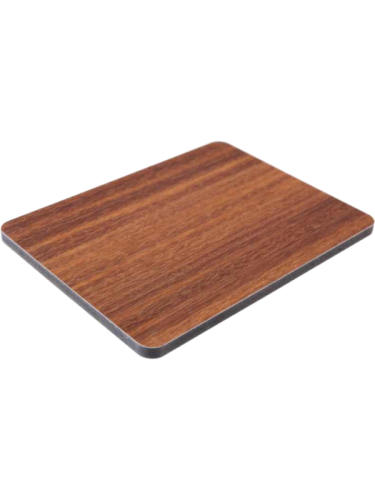
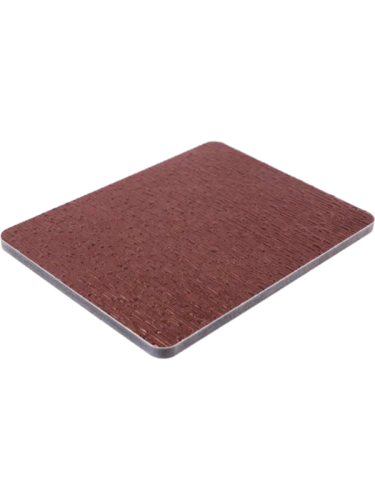






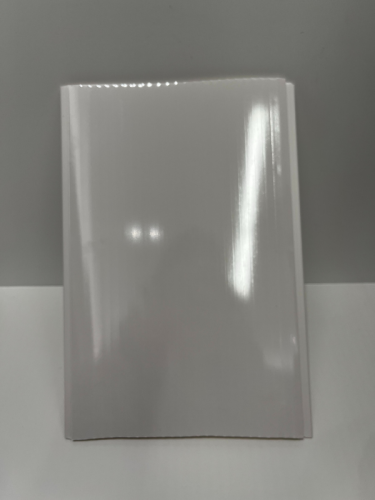
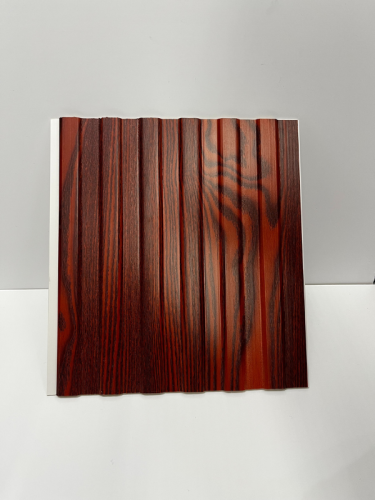
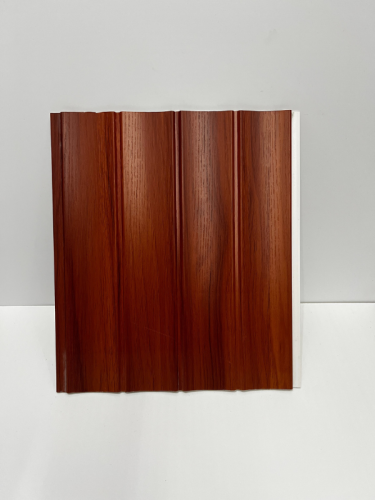
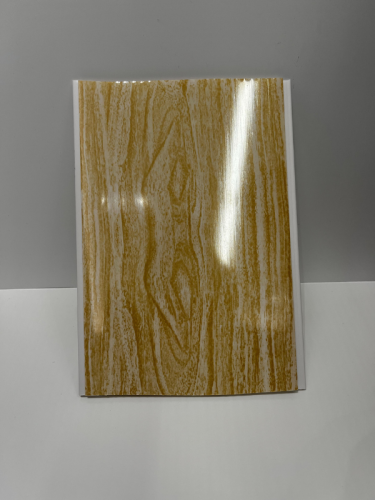
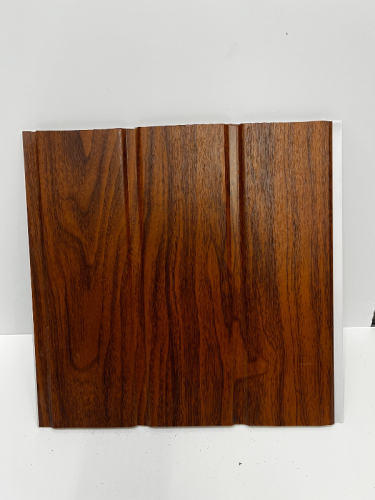
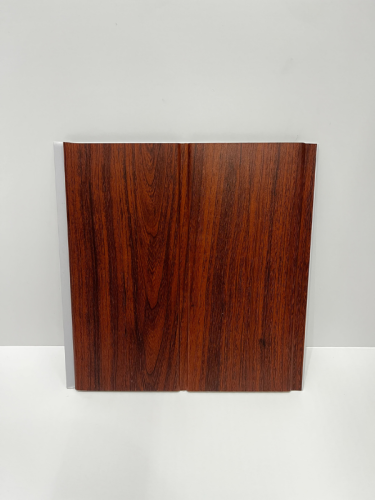
PVC vs WPC Wall Panels: Which One Should Importers Stock in 2026?
-
 By Sytech
-
23 Jun, 2026
-


If you can only stock one, PVC wall panels move faster and suit price-sensitive residential and bathroom markets, while WPC wall panels deliver higher margins in hotel, office, and premium retail projects. Most experienced importers don’t choose — they split a container 60/40 or 70/30 depending on their distribution channel. The rest of this guide breaks down the technical, commercial, and logistical reasons why.
The Short Answer: It Depends on Who You Sell To
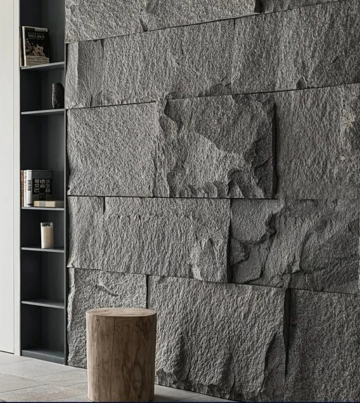
PVC and WPC wall panels look similar on a showroom rack, but they target different buyers. PVC is light, hollow, and cheap — the workhorse of DIY renovations, rental properties, and bathroom refits. WPC is dense, solid, and premium-looking — the choice for designers and contractors who need something that feels like real wood or stone.
If your customer base is hardware stores, builder’s merchants, and online retailers chasing volume, PVC is your bread and butter. If you supply interior designers, hotel fit-out contractors, or boutique builders, WPC will print better margins. We see the same buyer split repeatedly across our export markets in Europe, the Middle East, and Southeast Asia.
What’s Actually Inside Each Panel
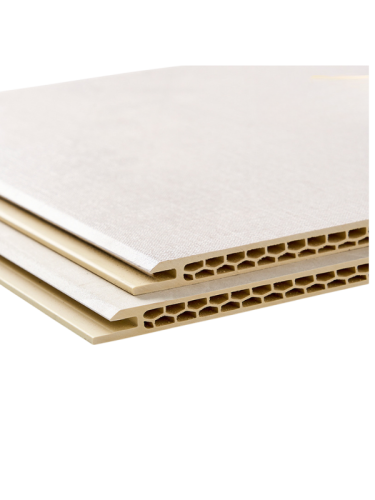
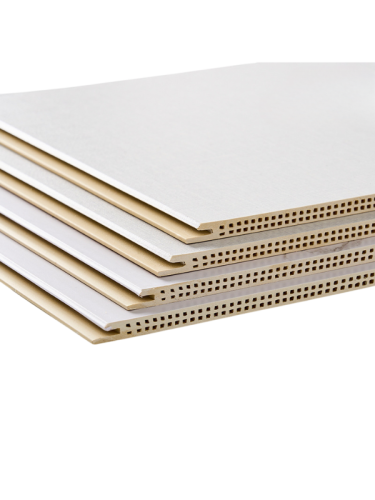
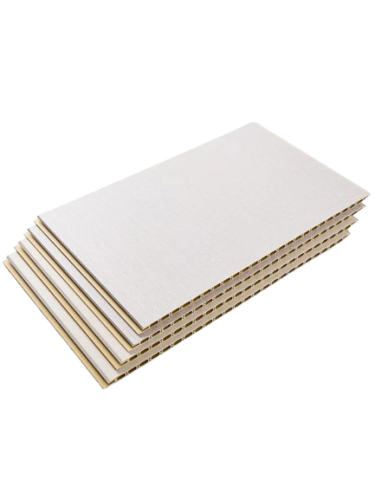
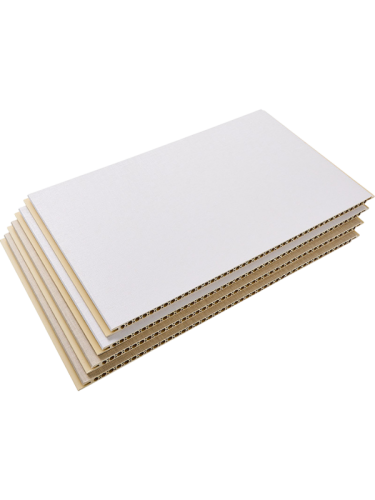
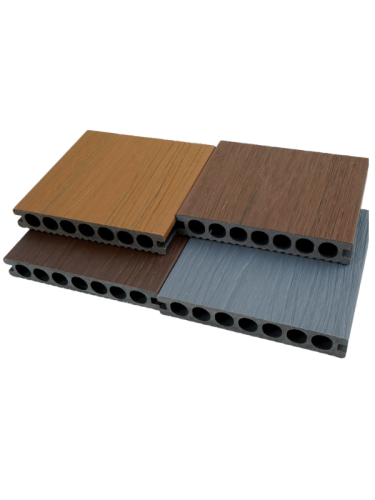
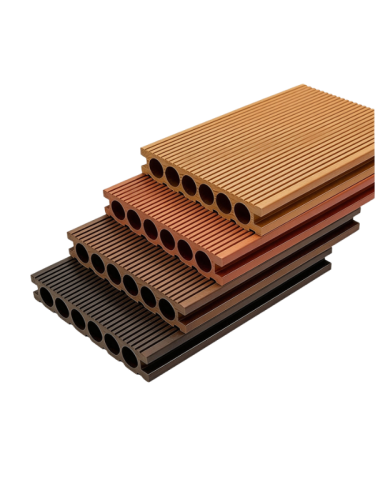
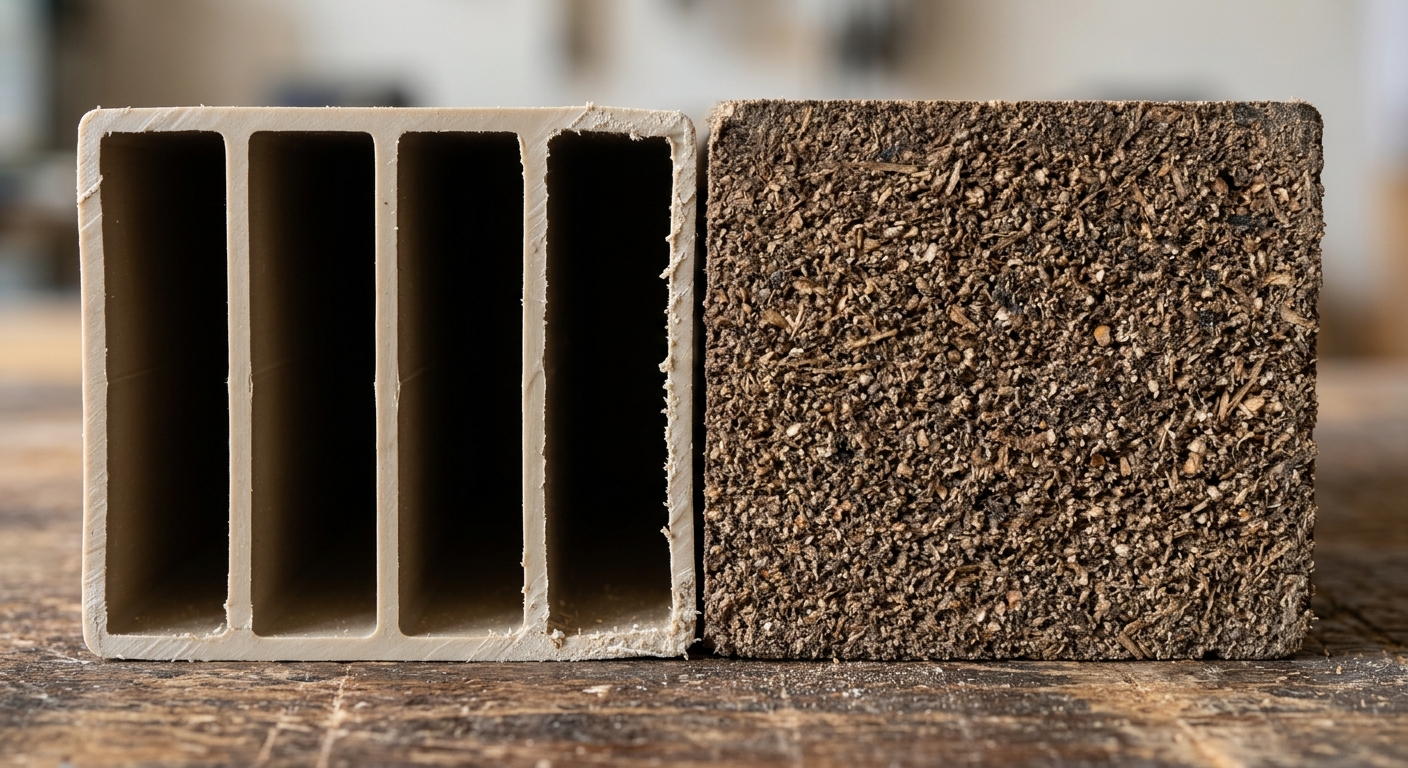
The difference starts at the extruder. PVC wall panels are made from polyvinyl chloride resin, calcium carbonate, and stabilizers — extruded into hollow profiles with internal ribs. That hollow structure is why they’re so light (around 2–3 kg per sqm) and why they’re cheap to ship.
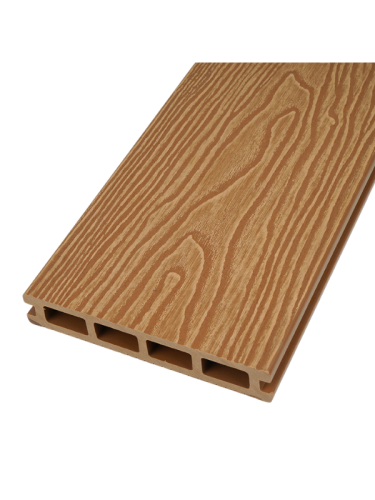
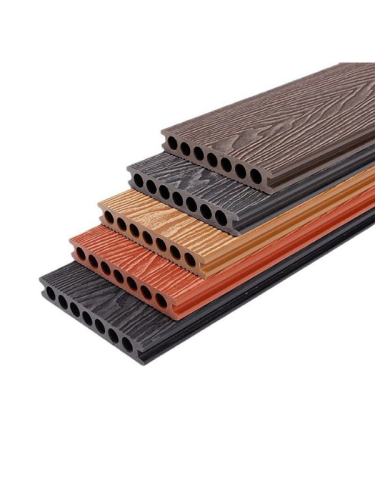
WPC — wood-plastic composite — adds wood flour or bamboo fiber to the PVC matrix, typically 30–50% by weight. The result is a solid or semi-solid panel that’s heavier (6–9 kg per sqm), denser, and significantly more rigid. It also has a more natural surface feel, which matters when designers run their hand across a sample.
Why density matters for your customers
A hollow PVC panel will dent if a chair leg slams into it. A solid WPC panel won’t. For a budget hotel corridor or a busy office reception, that single fact decides the spec.
Cost, Margin, and Container Math
Here’s where importers need to think in containers, not pieces. A 40HQ holds roughly 2,800–3,200 sqm of PVC wall panels but only 1,400–1,800 sqm of WPC due to the weight difference. That changes everything about your unit economics.
| Metric | PVC Wall Panels | WPC Wall Panels |
|---|---|---|
| FOB Price (per sqm) | $2.5–$5 | $6–$12 |
| Density | 0.5–0.7 g/cm³ | 1.2–1.4 g/cm³ |
| Waterproof | ✓ 100% | ✓ 100% |
| Impact resistance | Moderate | High |
| Fire rating | B1 | B1 |
| Best use case | Bathrooms, budget interiors | Hotels, offices, feature walls |
| Installation | Glue or clip, fastest | Keel or glue, heavier |
| Retail margin | Lower per sqm, high volume | Higher per sqm, project sales |
A PVC container might land you $8,000–$14,000 FOB but turn over in 4–6 weeks. A WPC container at $12,000–$20,000 FOB might take 3–4 months to sell — but each square meter carries 2–3x the margin. Cash flow vs. profit. Pick your poison.
Performance in Real Projects
Both materials are 100% waterproof — that’s not a differentiator. The real differences show up after 2–3 years on the wall.
Where PVC wins
- Bathrooms, laundry rooms, basement renovations
- Rental properties needing fast refresh
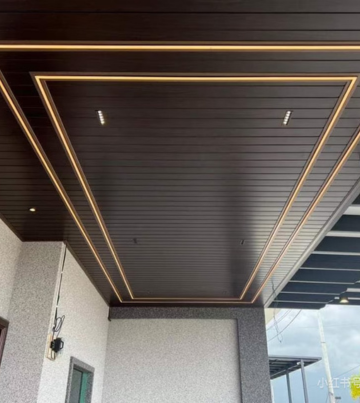
- Ceiling integration (lightweight = easier overhead install)
- Markets with humid climates and tight budgets
Where WPC wins
- Hotel lobbies, restaurant interiors, retail showrooms
- Office feature walls and reception areas
- High-traffic corridors where impact resistance matters
- Premium residential — living rooms, master bedrooms, TV walls
For instance, a distributor we work with in the UAE imports both: PVC for villa bathrooms going to mid-market developers, and WPC fluted panels for boutique hotel projects in Dubai’s hospitality sector. Same supplier, same container, two completely different customer segments.

Installation Realities Your Customers Will Face
PVC panels install in roughly half the time of WPC. They’re light enough to handle solo, cut with a utility knife, and bond with construction adhesive directly to drywall or even existing tile. A bathroom can be refit in a weekend.
WPC requires more thought. Heavier panels usually need a wood or metal furring strip system, especially on uneven walls. Cuts require a circular saw with a fine-tooth blade. Expansion gaps of 3–5mm at terminations are non-negotiable — skip them and the panel will buckle in summer heat.
This installation gap matters for your sales pitch. If you sell to DIY-heavy retail channels, lean PVC. If your customers are professional contractors who charge by the project, WPC’s higher installed value works in everyone’s favor.
Surface Finishes and Design Trends for 2026
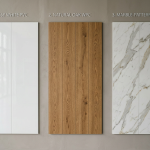
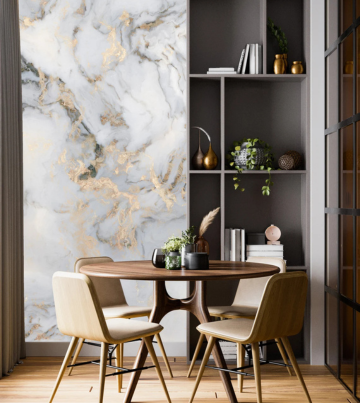
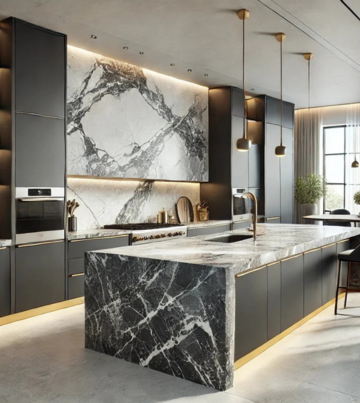
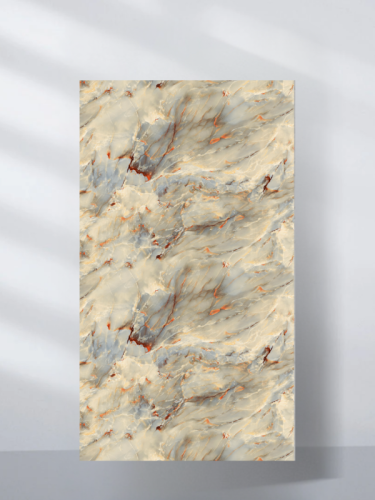
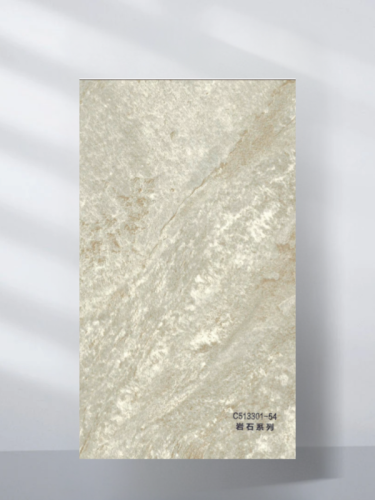
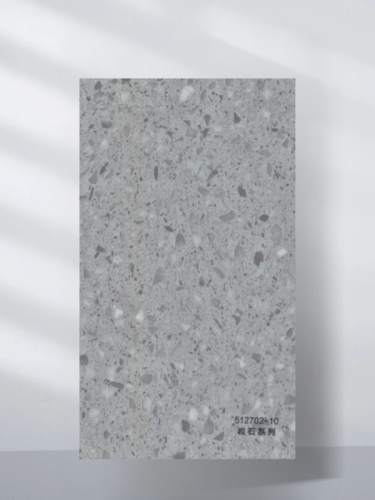
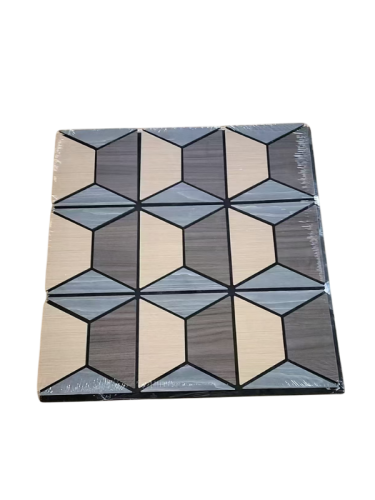
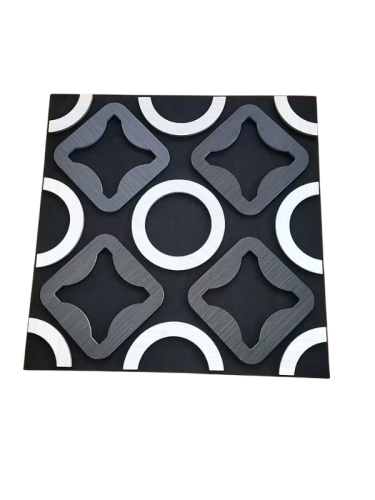
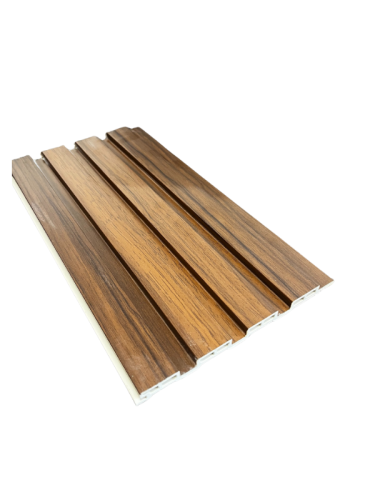
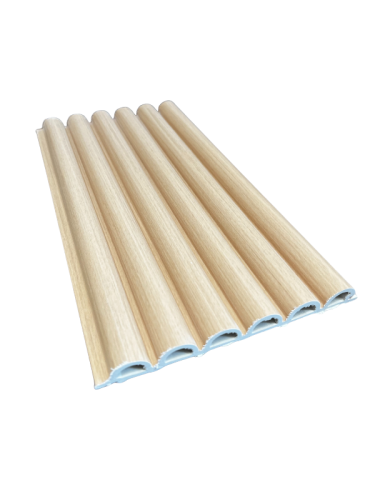
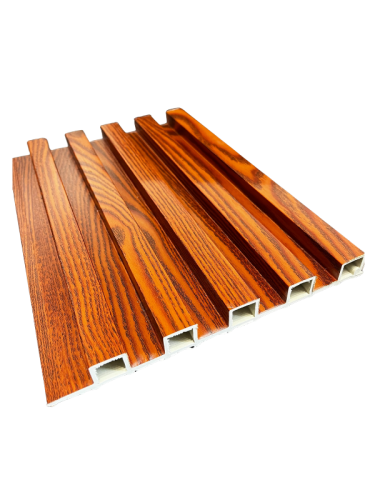
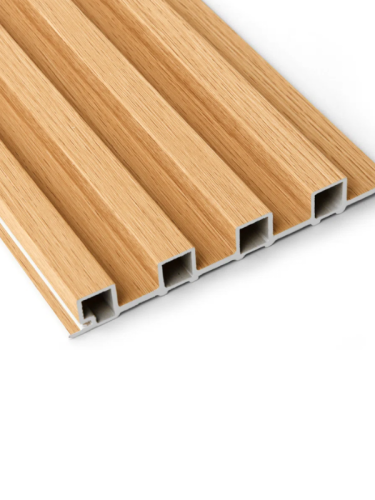
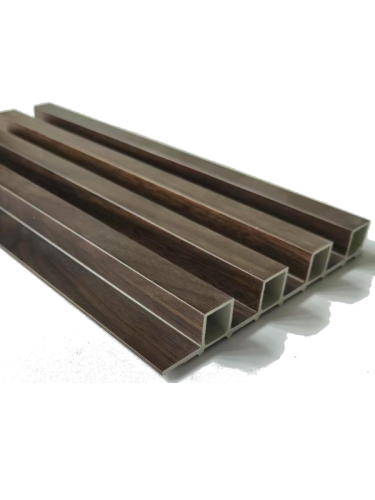
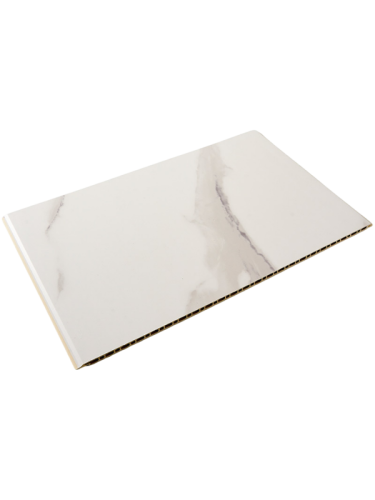
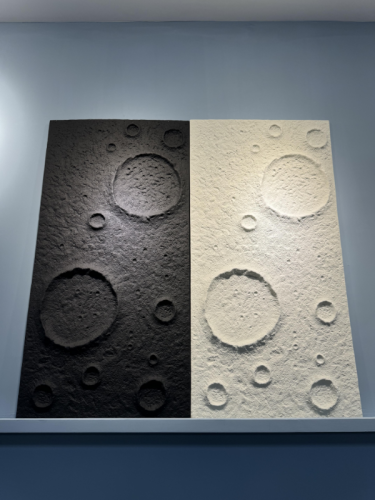
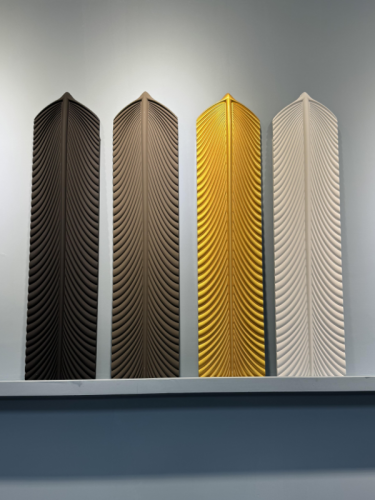
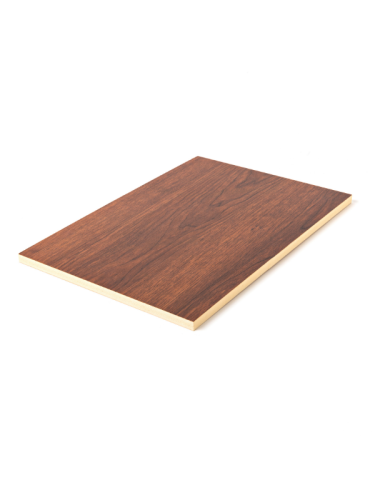
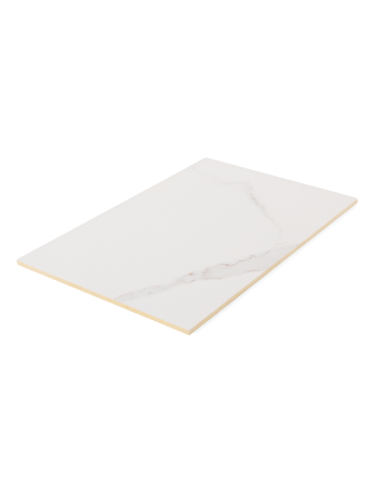
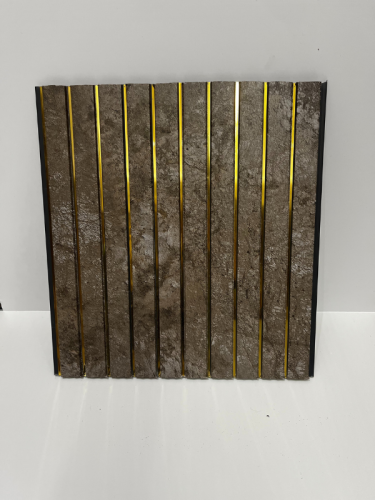
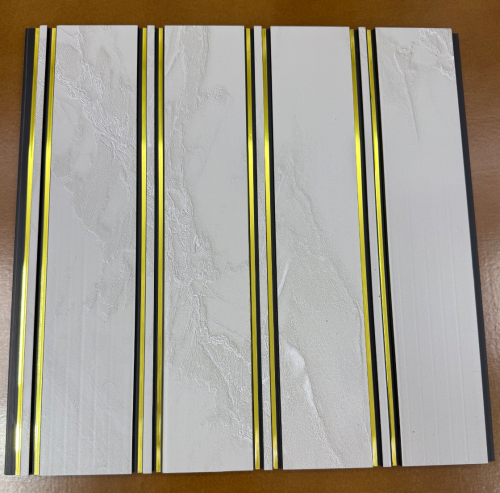
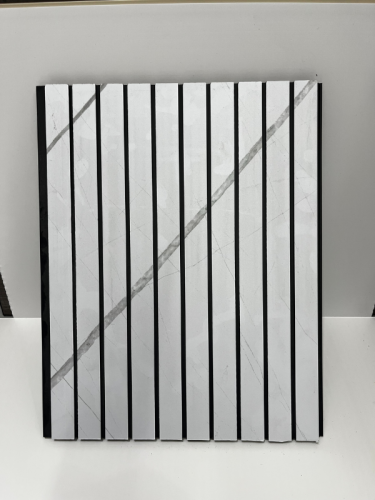
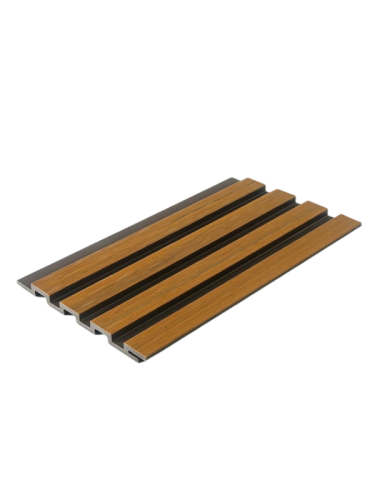
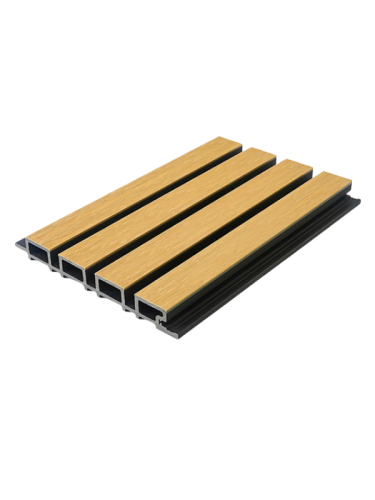
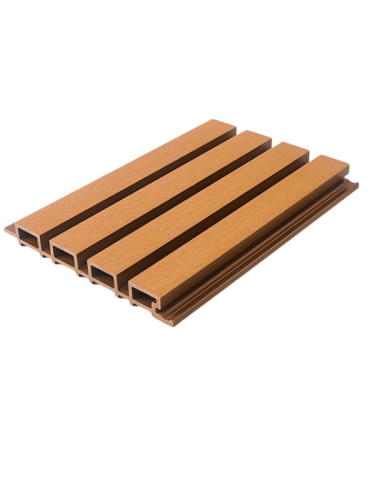
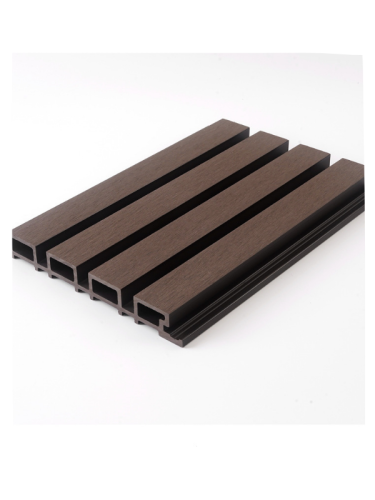
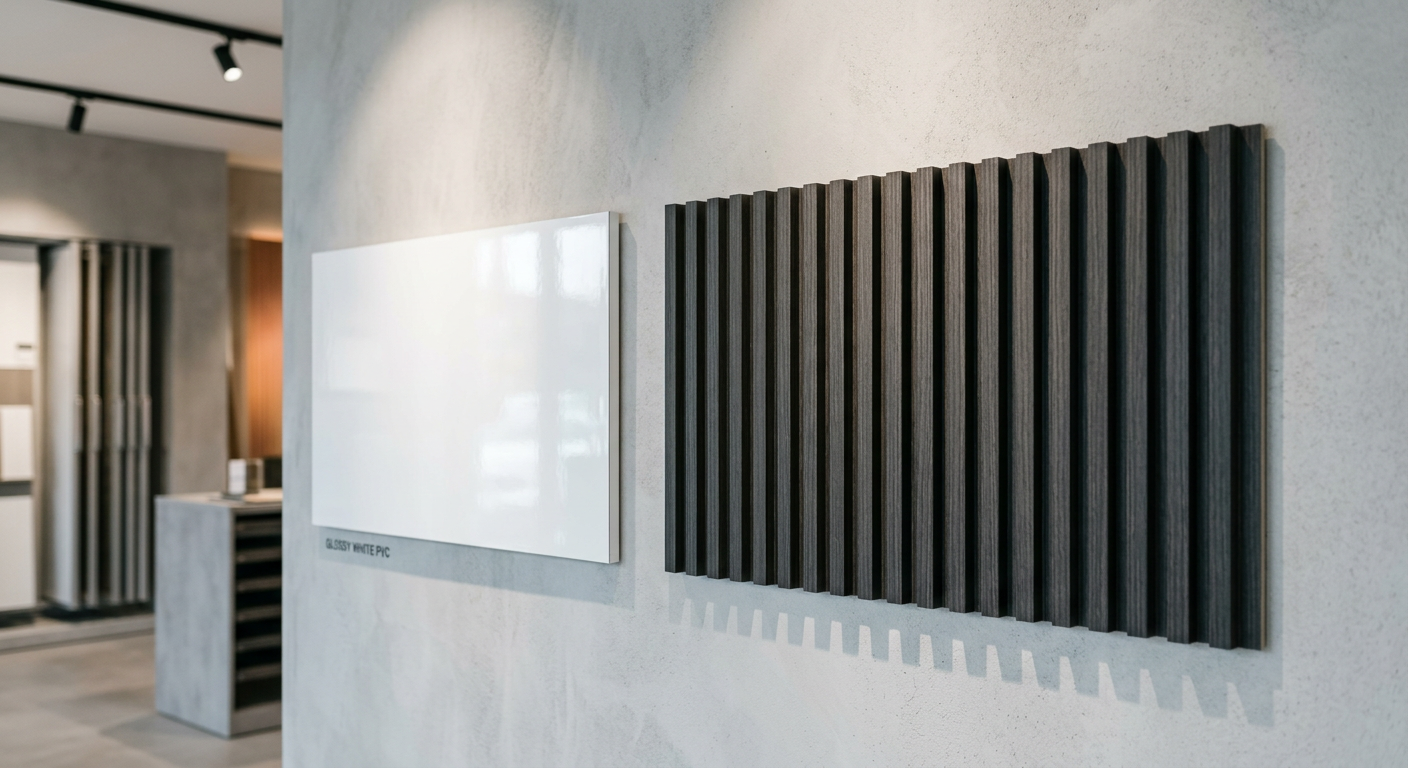
Surface options are where the two products are converging — and diverging. PVC now offers laminated marble, wood-grain film, and high-gloss UV-coated finishes that look surprisingly premium. WPC is moving heavily into fluted, slatted, and 3D-textured profiles that PVC can’t structurally replicate.
What’s selling in 2026:
- PVC marble-look panels — driven by affordable luxury demand in apartment renovations
- WPC fluted/slatted panels — the dominant trend in commercial interiors for the third year running
- Wide-format PVC (600mm+) — fewer seams, faster install, popular in Europe
- WPC charcoal-color slats — Japanese and Scandinavian-influenced interiors
If you’re not already stocking fluted WPC, you’re missing the single hottest SKU in commercial fit-out right now. For deeper finish guidance, our UV marble sheet buying guide covers the high-end surface side of the market.

Quality Pitfalls When Sourcing From China
Both products have a wide quality spread, and this is where importers get burned. The biggest red flags:
For PVC panels
- Excessive calcium carbonate filler (over 60%) — panels become brittle and crack on impact
- Thin walls under 1.8mm — visible flex when handled
- Inconsistent color batches between production runs — a nightmare for repeat orders
For WPC panels
- Low wood fiber content masquerading as “genuine WPC” — basically dyed PVC
- Poor UV stabilizer for indoor panels that customers eventually use near windows
- Warping due to inadequate curing time post-extrusion
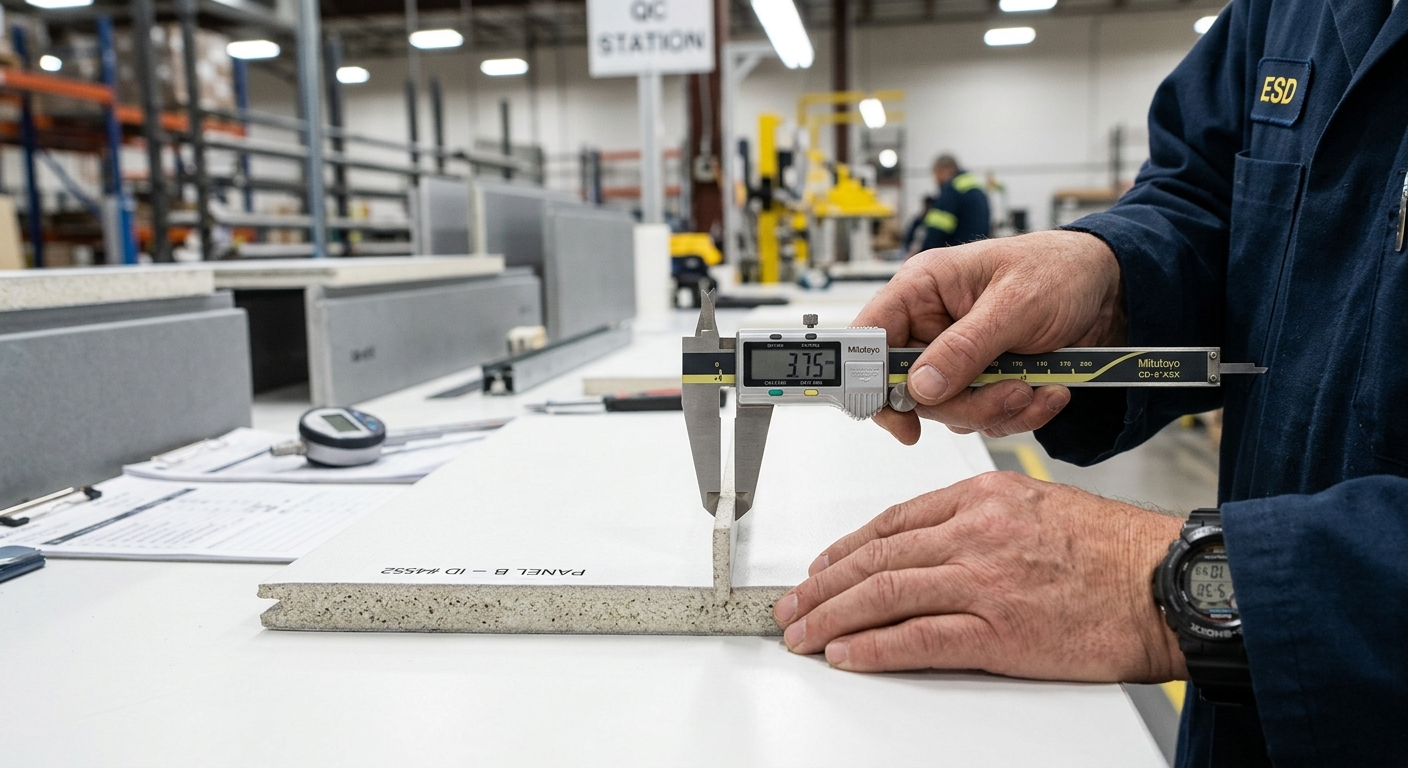
Always request a pre-shipment inspection with density testing, dimensional checks, and a thermal cycle test. At our factory we run third-party QC on every export order — it’s the cheapest insurance in the business. See our production capability overview for the inspection standards we apply.
How to Build Your 2026 Wall Panel Lineup
Here’s the practical playbook based on what’s working for our active export customers:
If you’re new to wall panels
Start with 70% PVC, 30% WPC. PVC moves fast and funds the inventory. Use WPC to introduce your brand to designers and pull in higher-value clients over 12–18 months.
If you already sell SPC flooring or decking
Skew toward WPC wall panels. Your customer base — contractors and designers — already buys premium. Cross-sell is natural. Our existing decking clients see strong attach rates here; the same logic that drives commercial SPC flooring selection applies to commercial wall paneling.
If you sell into wet-area markets (bathrooms, kitchens)
Go heavy PVC — 80%+ — and add WPC only in slatted formats for kitchen feature walls. Don’t waste WPC inventory on bathrooms where PVC performs identically at half the cost.
If you’re in commercial fit-out and hospitality
Stock WPC fluted, slatted, and acoustic-backed variants. Skip PVC entirely except as a budget alternative for back-of-house spaces.
Pulling It Together
PVC vs WPC isn’t a competition — it’s a portfolio decision. PVC keeps your cash cycling and feeds high-volume retail. WPC builds your margin, your designer relationships, and your brand reputation. The importers winning in 2026 are the ones stocking both, sequenced to match their distribution channels and project pipelines.
If you’re planning your next container and want help balancing the mix, BONA runs 30+ production lines covering the full range of PVC and WPC wall panel SKUs — including fluted, slatted, marble-look, and wide-format options. We can blend product types in a single 40HQ, run custom colors at MOQs lower than most factories, and ship pre-inspected. Send us your target market and quantity and we’ll quote a balanced container within 24 hours.
-
PVC vs WPC vs SPC Wall Panels: Which One Wins for Your Project?
09 Jun, 2026
-
WPC Decking Maintenance Tips: A Practical Care Guide for Long-Lasting Outdoor Decks
09 Jun, 2026
-
UV Marble Sheet Buying Guide: How to Source the Right Panels in 2026
09 Jun, 2026
-
UV Marble Panels in Hotel Lobbies: 5 Real Projects That Replaced Real Stone
09 Jun, 2026