

















How to Vet a Wall Panel Factory Before You Place a Bulk Order
-
 By Sytech
-
07 Jul, 2026
-


Vetting a wall panel factory before a bulk order comes down to three checks: verify they actually own production lines (not just a showroom), get physical samples tested against your climate and application, and confirm their QC process with photos or a live video walkthrough before wiring a deposit. Skip any of these and you’re gambling with a container-sized order. Most importers who get burned didn’t skip due diligence entirely — they just checked the wrong things, like a slick website or a fast WeChat reply, instead of the factory fundamentals that actually predict quality and reliability.
Start With: Is This a Real Factory or a Middleman in Disguise?
Here’s an uncomfortable truth: a huge share of ‘manufacturers’ contacting you on Alibaba or through cold emails are trading companies reselling output from three or four different factories. That’s not automatically bad — but it changes everything about pricing, quality consistency, and accountability.
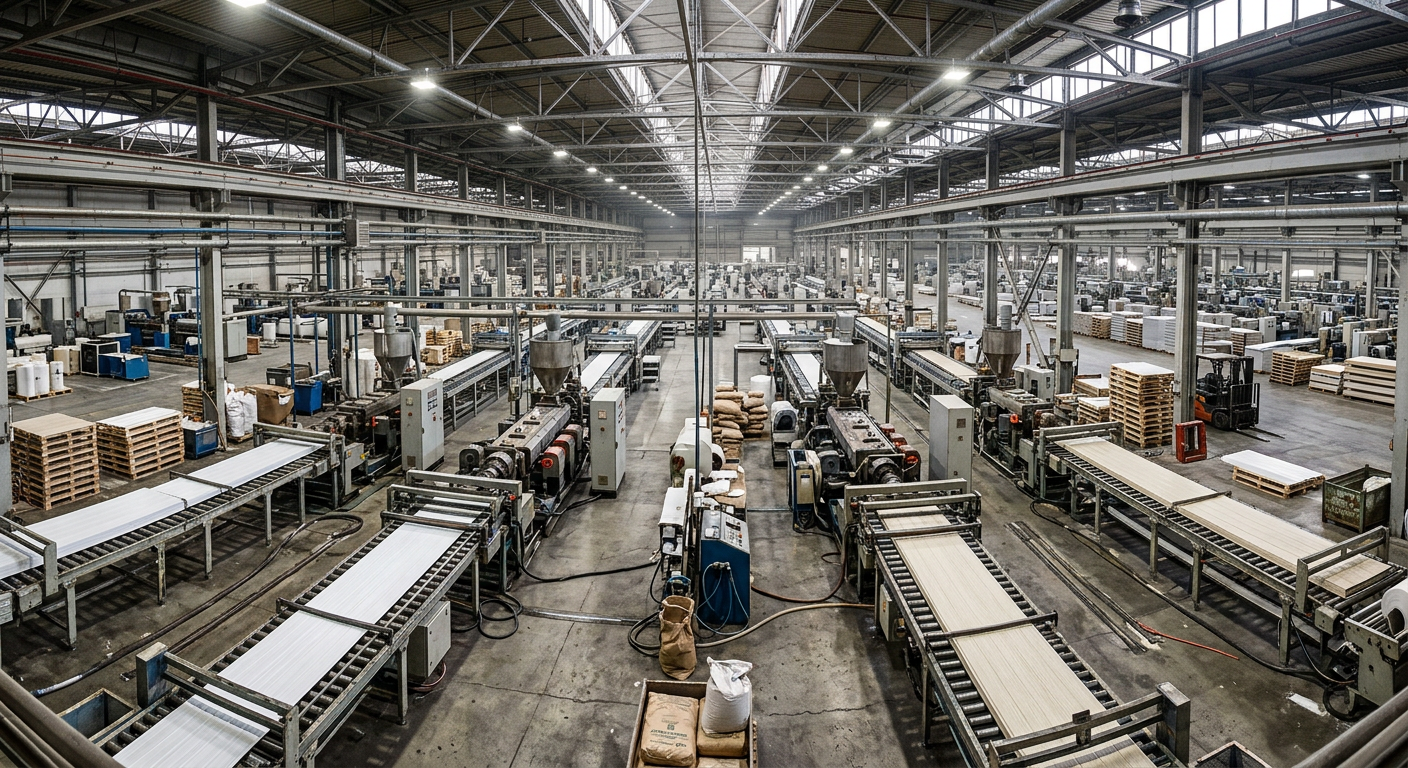
Ask for the factory’s business license and cross-check the registered name against the company that will appear on your contract and invoice. If they don’t match, you’re dealing with a trading intermediary. Then ask directly: how many extrusion lines do you operate, and can you share real-time video of the production floor right now — not a pre-recorded promotional video from two years ago?
Why this matters for bulk orders specifically
A single container might absorb a factory’s spare capacity for a week. A bulk program of 10-20 containers a year requires a supplier with genuine production depth — a company with its own factories and 30+ production lines can absorb volume without quietly subcontracting your order to a lower-tier facility mid-run.
Demand Physical Samples — Not Just Photos
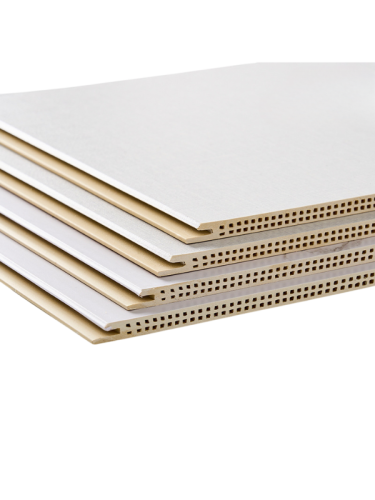
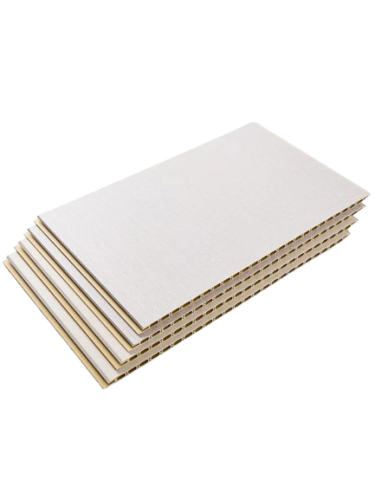
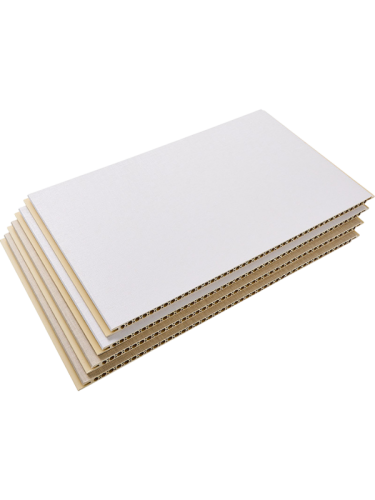
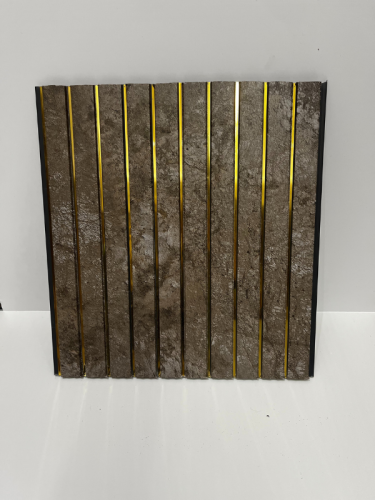
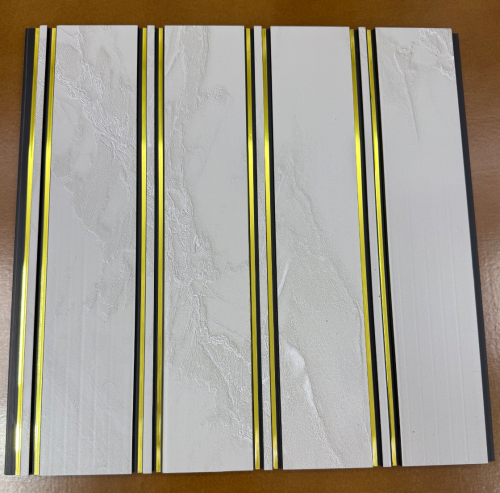
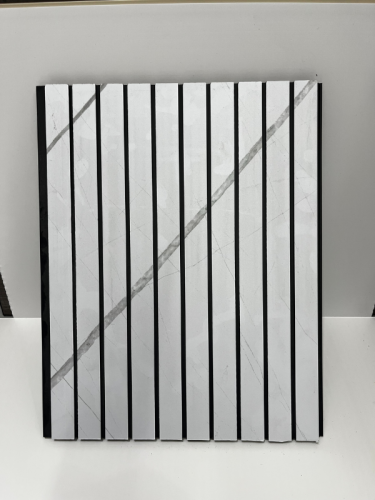
Photos lie. Samples don’t. A panel that looks flawless in a product photo can still have visible layer lines, inconsistent color batching, or a foam core that dents under light thumb pressure.
Order samples from at least two different production batches if the supplier allows it, spaced a few weeks apart. This tells you something photos never will: whether their color and thickness consistency holds up over time, not just on their best day.
What to actually test when the sample arrives
- Flex the panel by hand — does it crack or does it bend and recover?
- Run a wet cloth over the surface for 24 hours, then check for swelling at the edges
- Compare the panel weight to the spec sheet (light panels often mean thinner walls or cheaper filler content)
- Check the tongue-and-groove edge fit against a second sample piece — loose joints mean installation headaches at scale
If you’re comparing material types for a specific project, our guide on PVC vs WPC wall panels breaks down which composition holds up better under which conditions.

Ask for Third-Party Test Reports — Then Verify Them
Fire rating claims, formaldehyde emission levels, and water absorption percentages mean nothing if they’re self-reported on a factory letterhead. Legitimate suppliers can produce SGS, Intertek, or CTI test reports with a traceable report number.
Take five minutes to actually verify the report: most testing agencies have an online portal where you can enter the report number and confirm it’s genuine and matches the product category. This single step catches more fraudulent claims than any other part of the vetting process, and it takes almost no effort.
Reports that matter most for wall panels
- Fire performance (B1 or Class A rating for commercial projects)
- Formaldehyde/VOC emission levels, especially for hospitality and school projects
- Water absorption rate for bathroom, kitchen, or exterior-facing applications
Check Their Raw Material Sourcing, Not Just Their Finished Product
A wall panel is only as good as the resin, calcium carbonate filler, and wood-plastic composite ratio that went into it. Factories that source raw materials directly from established chemical suppliers can maintain tighter quality control than those buying from whoever’s cheapest that month.
Ask pointed questions: what PVC resin grade do you use? What’s your wood flour to plastic ratio for WPC panels? A factory confident in its formulation will answer specifically. One that gets vague or defensive is often cutting corners with recycled or low-grade filler content — a common cause of panels that crack, fade, or warp well before their expected service life.
Request a Live Video Audit Before You Wire a Deposit
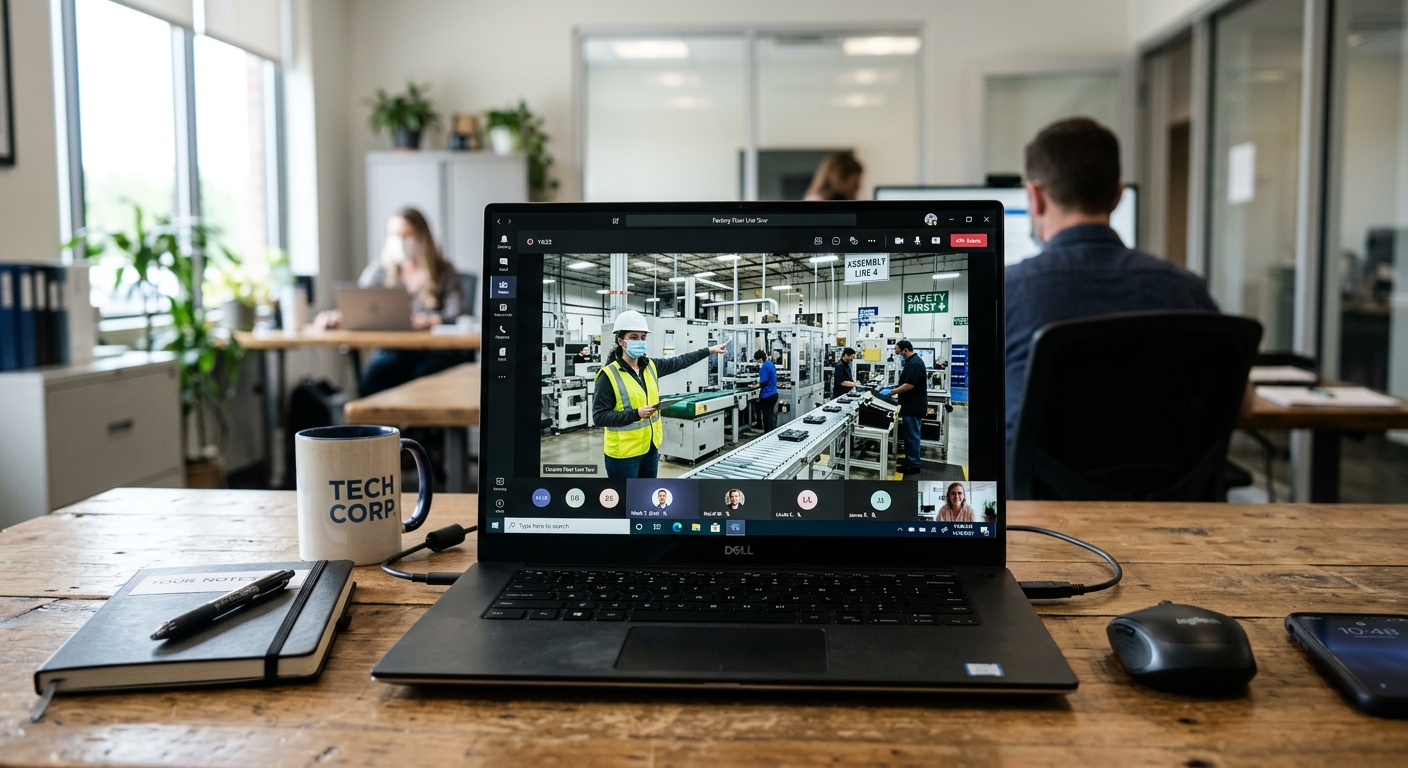
You don’t need to fly to China to vet a factory anymore. A 20-minute video call walking the production floor tells you more than a week of email exchanges. Ask the supplier to show you, live: the extrusion line running, the warehouse with finished stock, the QC station where panels get inspected, and the packaging area.
Real-world example
A mid-sized distributor in the Gulf region was about to place a 40,000 sqm order based on catalog photos alone. During a requested video call, the ‘factory’ turned out to be an office with no visible production equipment nearby. The supplier admitted, once pressed, that panels were subcontracted to three different workshops depending on order volume. The distributor walked away and instead sourced from a verified manufacturer with a single traceable production site — avoiding what likely would have been a color-matching disaster across a 40,000 sqm hotel renovation.
This single video call habit has probably saved more importers from bad orders than any contract clause.
Look at Their Quality Inspection Process — Not Just the End Result
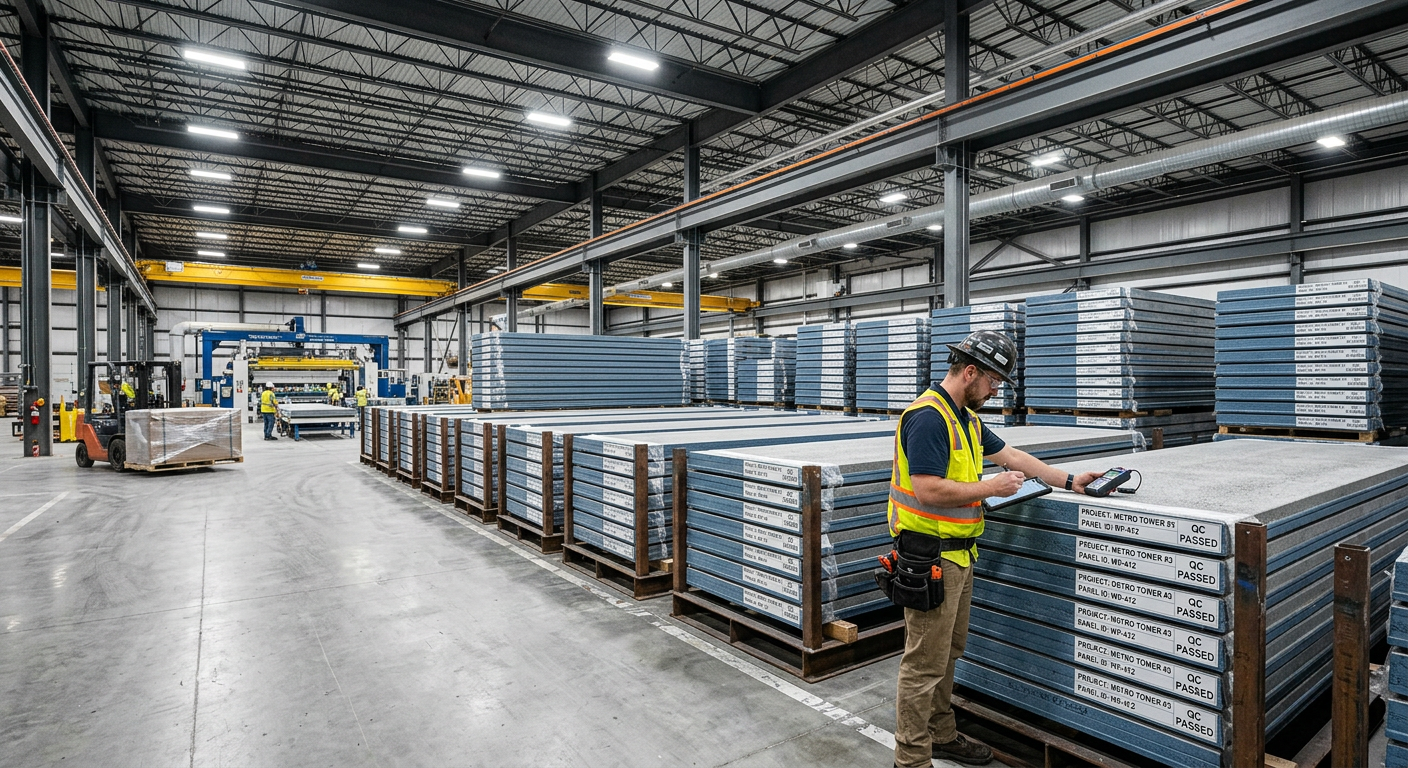
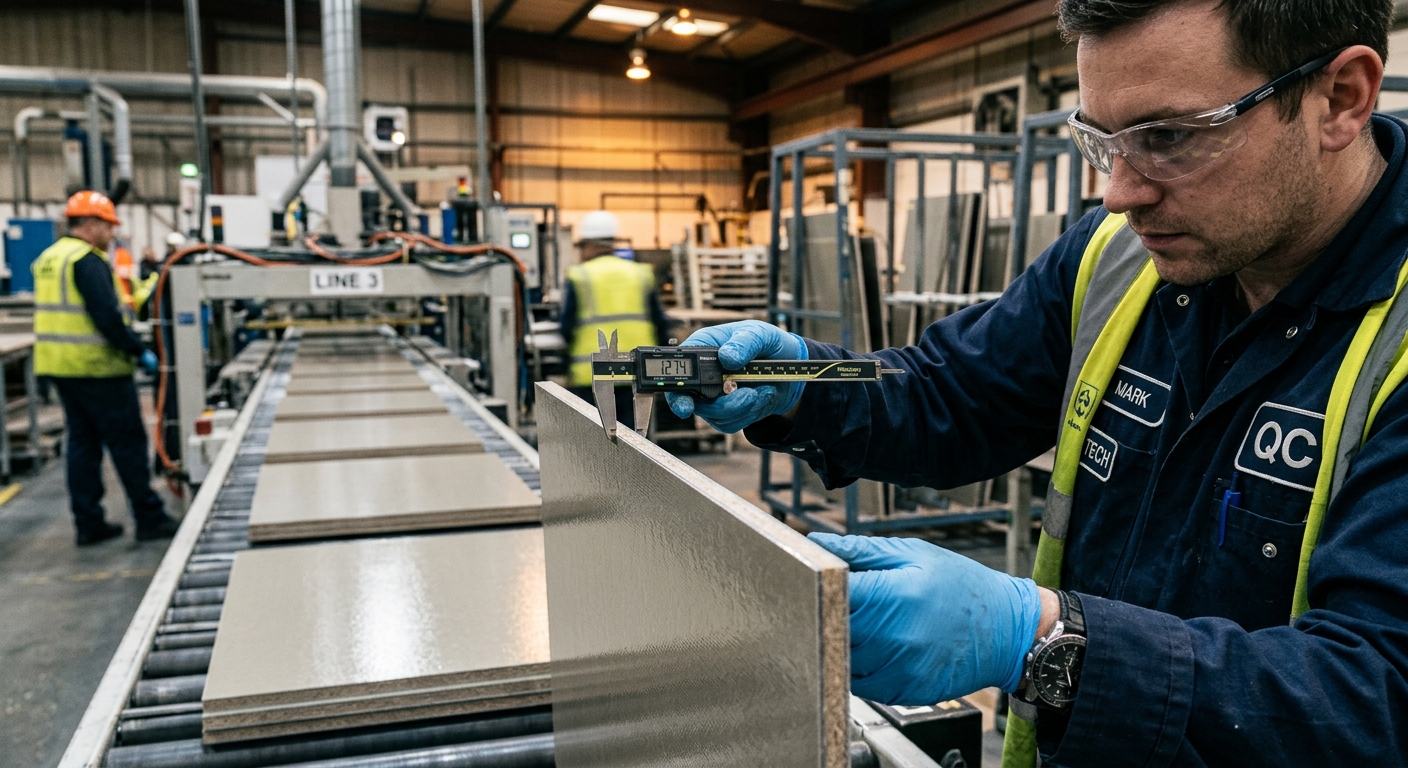
Ask exactly where QC checkpoints happen in the production flow. A serious factory inspects at minimum three stages: raw material intake, mid-production (thickness and surface consistency), and pre-shipment (full batch sampling against your PO specs).
Request their pre-shipment inspection report format before the order ships, not after. If they can’t show you a sample report from a previous client’s order, that’s a gap worth questioning. Check our FAQs for the specific documentation BONA provides at each production stage.
Confirm Lead Time Promises Against Their Actual Order Book
Every factory will quote you a fast lead time to win the order. The real question is whether that number reflects their actual current production schedule or just an optimistic sales estimate.
Ask specifically: what’s currently running on your lines this week, and where does my order slot in? A factory with a transparent, specific answer — even if it means waiting an extra two weeks — is more trustworthy than one that promises everything ships in 15 days regardless of order size or season. Peak shipping seasons (pre-Chinese New Year especially) routinely add 2-4 weeks to real-world lead times that quotes conveniently omit.
Small Contract Details That Reveal Big Reliability Signals
Before signing, check how the contract handles color/batch variance tolerance, packaging damage liability, and partial shipment terms. A factory that’s vague on these points in writing is often vague on them in practice too.
Also worth checking: do they offer product options across categories you might need later — SPC flooring, WPC decking, ceiling panels, or acoustic panels — or are wall panels their only product? Suppliers with a broader, vertically integrated catalog tend to have more stable factory operations because they’re not dependent on a single product line’s seasonal demand.
-
PVC vs WPC vs SPC Wall Panels: Which One Wins for Your Project?
09 Jun, 2026
-
WPC Decking Maintenance Tips: A Practical Care Guide for Long-Lasting Outdoor Decks
09 Jun, 2026
-
UV Marble Sheet Buying Guide: How to Source the Right Panels in 2026
09 Jun, 2026
-
UV Marble Panels in Hotel Lobbies: 5 Real Projects That Replaced Real Stone
09 Jun, 2026