



















Acoustic Panels 101: What Contractors Need to Know About Sound Absorption Ratings
-
 By Sytech
-
 14 Jul, 2026
-


A sound absorption rating — usually expressed as NRC (Noise Reduction Coefficient) — tells you what percentage of sound energy a panel absorbs versus reflects, on a scale from 0 to 1. But here’s what most spec sheets won’t tell you: the same panel can test at 0.85 in a lab and perform like a 0.50 on your job site, simply because of how it’s mounted, spaced, or where it’s placed in the room. If you’re specifying acoustic panels for a hotel lobby, office, or school, understanding this gap between lab rating and real-world performance is the difference between a client who’s thrilled and one who calls you back complaining about echo.
What NRC Actually Measures (And What It Doesn’t)
NRC is an average of absorption coefficients measured at four frequencies — 250Hz, 500Hz, 1000Hz, and 2000Hz — rounded to the nearest 0.05. A panel rated 0.75 NRC absorbs roughly 75% of sound energy hitting it across that mid-frequency range and reflects the rest.
Here’s the catch: NRC is a single averaged number, so it completely hides how a panel performs at very low frequencies (like HVAC hum or traffic rumble below 250Hz) or very high frequencies. Two panels can share an identical 0.80 NRC rating and sound noticeably different in a room, because one absorbs bass frequencies poorly while the other doesn’t. For contractors working on recording studios or home theaters, ask for the full absorption coefficient chart, not just the single NRC number.
SAA vs NRC — Know the Difference
Some manufacturers report SAA (Sound Absorption Average) instead of NRC. SAA uses twelve frequency bands instead of four, giving a more precise picture — but it’s not directly comparable to NRC on a 1:1 basis. If you’re comparing quotes from different suppliers, confirm which metric each one is using before you assume you’re comparing apples to apples.
Why Mounting Method Changes the Real-World Score
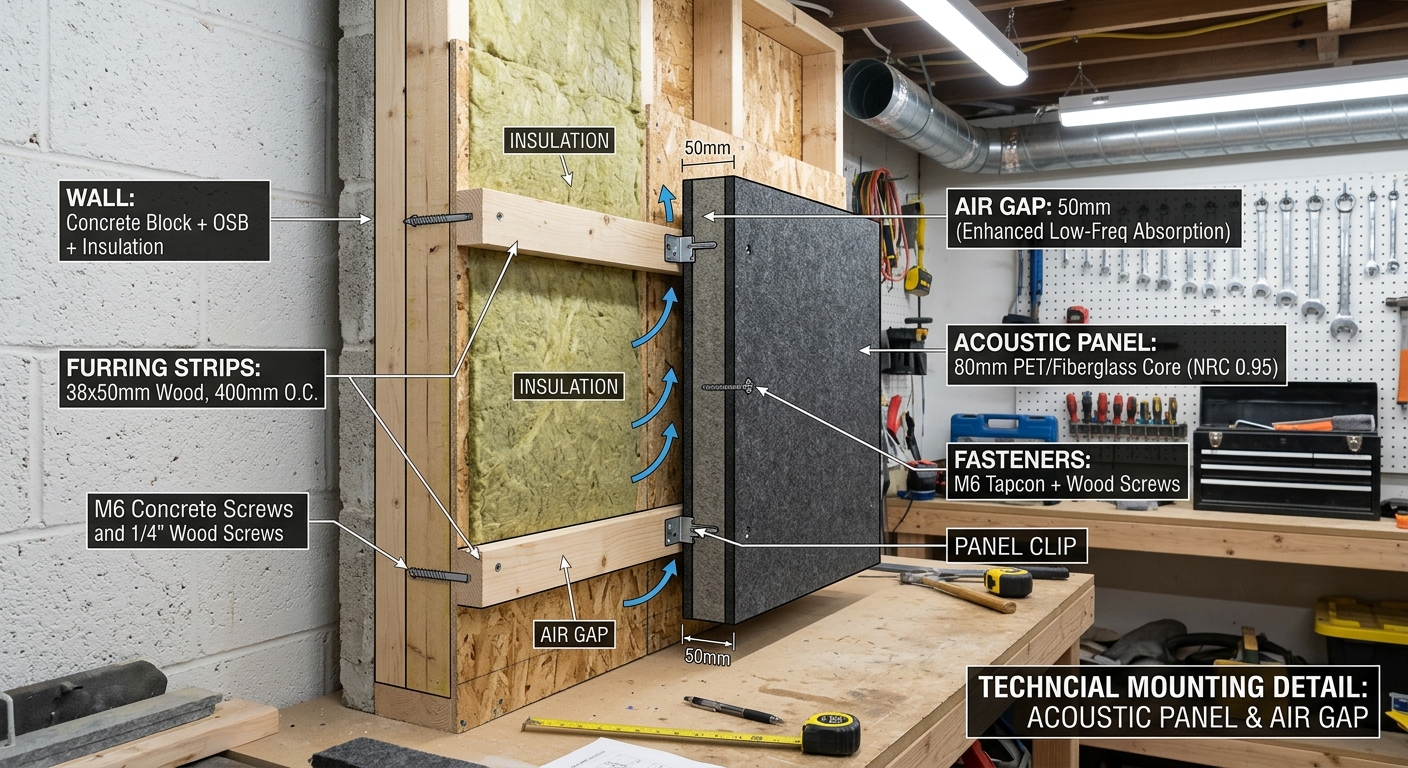
An acoustic panel mounted flush against a solid wall behaves very differently than the same panel mounted with a 2-inch air gap behind it. Adding an air gap behind a panel dramatically improves low-frequency absorption, sometimes pushing effective performance beyond the lab-tested NRC rating for bass-heavy noise problems.
This matters most in rooms with hard parallel surfaces — think open-plan offices with concrete ceilings, or restaurant dining rooms with tile floors and glass windows. Flush-mounting a panel in these spaces might tame mid-range chatter but do almost nothing for the low rumble of HVAC systems or foot traffic vibration. A furring-strip or Z-clip mounting system that creates an air cavity behind the panel is often worth the extra labor cost.
For example, a contractor fitting out a restaurant with concrete ceilings and large windows found that flush-mounted panels reduced perceived noise only slightly. Switching to the same panels on a batten system with a 1.5-inch air gap dropped the reverberation time noticeably enough that servers stopped raising their voices to be heard across the room.
Panel Thickness and Density: The Two Variables That Actually Drive Performance
Thicker isn’t automatically better, but it usually helps with low frequencies specifically. A 25mm panel typically handles mid-to-high frequency absorption well (think speech clarity, keyboard clatter), while pushing to 50mm or adding a second layer improves absorption of lower, boomier sounds like mechanical hum or bass-heavy music.
Density matters just as much as thickness. A low-density fiberglass core absorbs high frequencies efficiently but does little for bass. A higher-density core, or a layered panel combining two densities, spreads absorption more evenly across the spectrum. If a project brief calls for “general noise reduction” without specifics, a 25mm panel at medium density is usually the safe, cost-effective default — but if the client complains about deep, rumbling background noise, don’t reach for a thinner panel; go thicker or add an air gap instead.
Where NRC Ratings Fail Contractors: Room Geometry
Here’s a mistake that trips up even experienced contractors: treating panel coverage as a flat percentage of wall area without considering room shape. A long, narrow corridor with hard parallel walls needs a completely different treatment strategy than a large square conference room, even if both have identical square footage.
Parallel hard surfaces create flutter echo — that rapid, metallic-sounding repeat you hear clapping in an empty gymnasium. Covering just one of the two parallel walls with acoustic panels breaks up that reflection path far more effectively than spreading the same panel area evenly across all four walls. As a rule of thumb, treating 15-25% of total surface area, concentrated on reflective parallel surfaces and ceilings, usually outperforms a thin, even spread across everything.
Ceiling Panels Often Get Overlooked
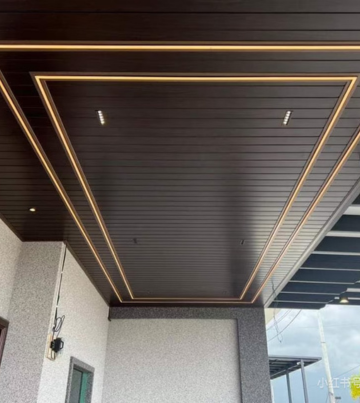
Ceilings reflect sound straight down into a room and are frequently ignored in favor of wall treatment. In open offices and classrooms, adding acoustic ceiling panels alongside wall panels typically delivers a bigger drop in reverberation time than doubling up wall coverage alone.

Fire Rating and Moisture Resistance — The Specs Contractors Forget to Check
A panel with a great NRC rating but no fire certification is a liability in commercial projects. Most jurisdictions require Class A or Class B fire ratings (ASTM E84) for acoustic panels used in occupied commercial spaces, and this gets overlooked far more often than it should when buyers focus purely on acoustic performance.
Moisture resistance is the other overlooked spec. Standard fiberglass-core panels can sag, warp, or grow mold in humid environments — bathrooms, pool areas, coastal buildings, kitchens. For these applications, look for panels with moisture-resistant cores or PVC/PU-based acoustic composites rather than raw fiberglass. If you’re already comparing PVC vs WPC wall panels for a humid-climate project, apply the same moisture logic when selecting acoustic panels for the same space.
Reading a Supplier’s Test Report Without Getting Fooled
Not all NRC test reports are created equal. Ask three questions before trusting a number on a spec sheet: What lab performed the test (ASTM C423 is the standard method in North America)? What mounting type was used during testing (Type A flush, Type E-400 with 400mm air gap, etc.)? And is the number rounded or exact?
A panel tested with a 400mm air gap mounting will report a significantly higher NRC than the same panel tested flush — but if you’re planning to flush-mount it on-site, the flush-mount number is the one that actually matters for your project. Reputable manufacturers disclose mounting type on the test report; if a supplier can’t tell you the mounting type used, treat the number with skepticism. This is exactly the kind of documentation gap you should be checking for when you vet a wall panel factory before placing a bulk order.
Matching Panel Choice to Project Type
Different projects have different acoustic priorities, and the right panel isn’t always the highest-NRC option available. Here’s how the priority shifts by project type:
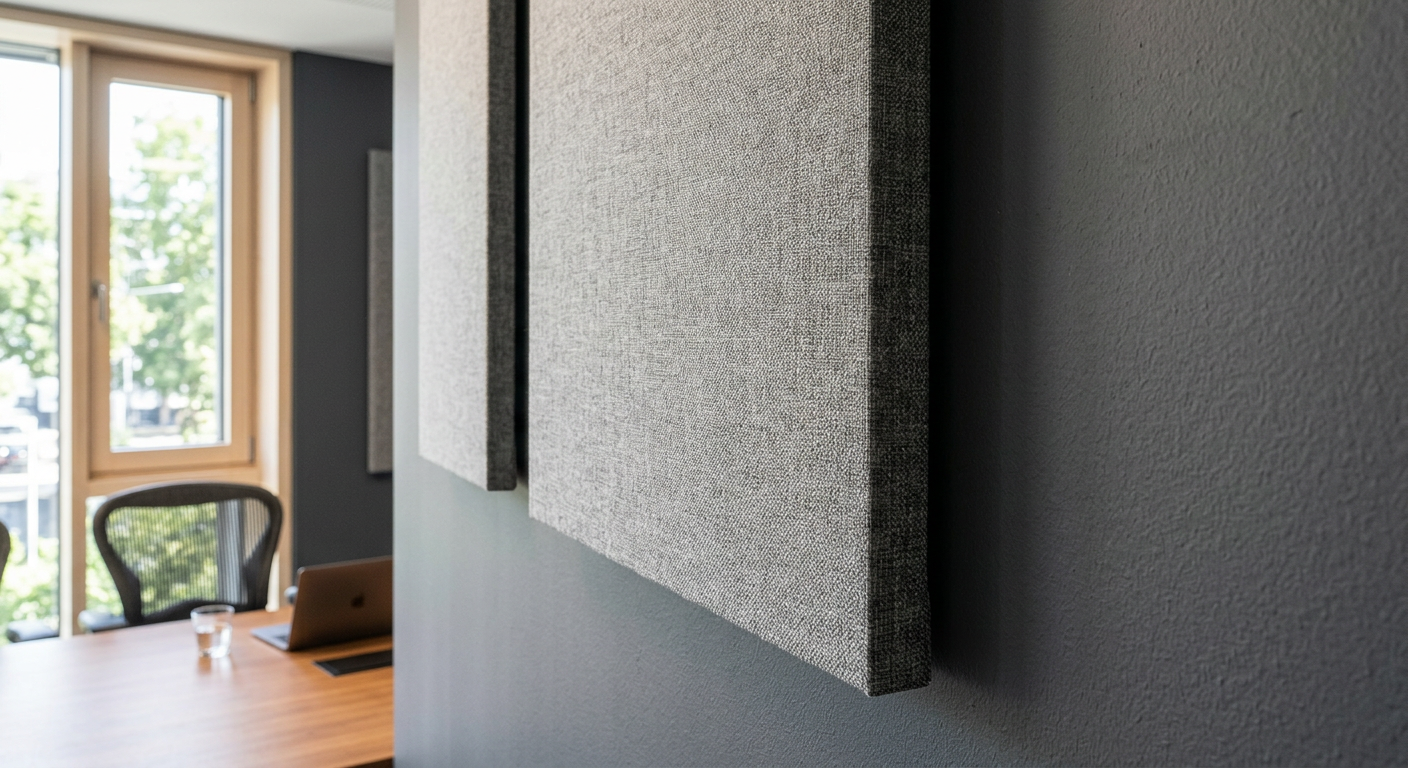
- Offices and coworking spaces: Prioritize speech intelligibility — mid-to-high frequency absorption via 25mm fabric-wrapped or PET panels on walls and ceiling.
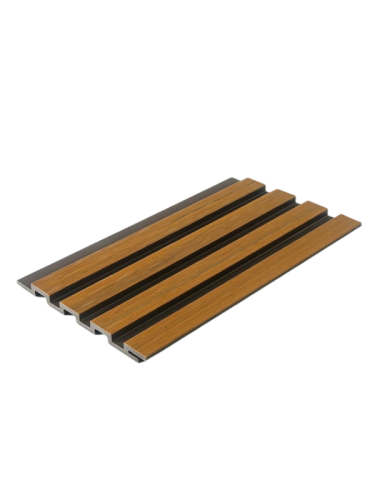
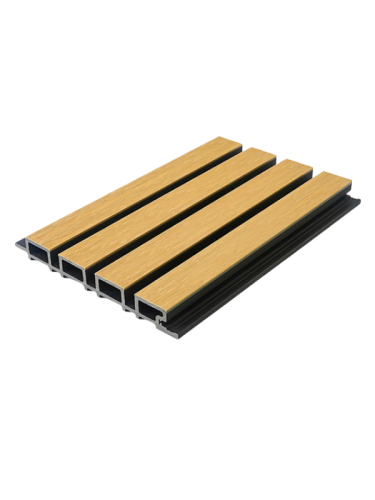
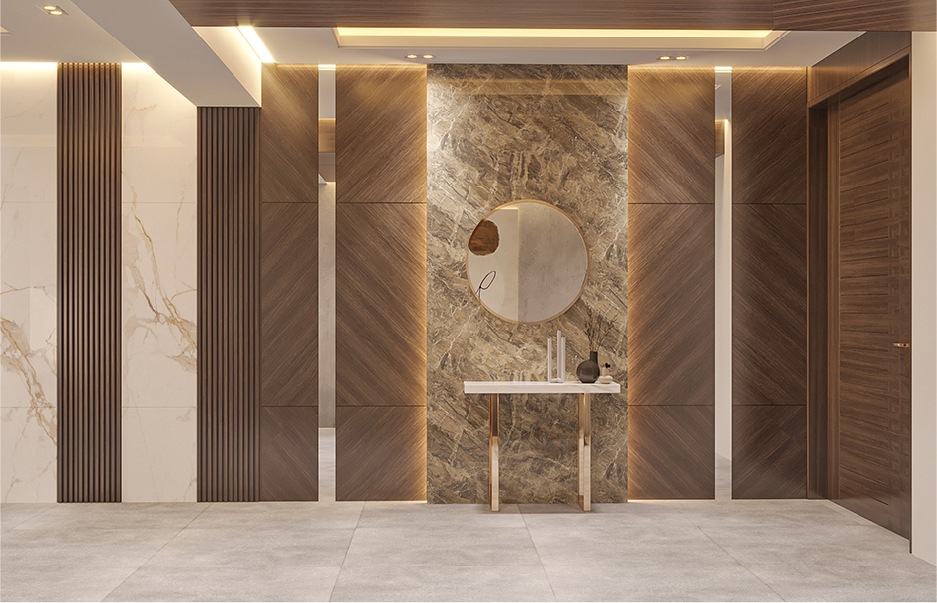
- Hotels and hospitality: Prioritize aesthetics alongside performance — wood-slat acoustic panels or bamboo charcoal panels give warmth while still cutting reverberation.
- Schools and healthcare: Prioritize durability and cleanability — PET felt panels with washable surfaces, moderate NRC (0.65-0.80) is usually sufficient.
- Recording studios and home theaters: Prioritize full-spectrum absorption — combine thick, high-density panels with bass traps in corners since standard flat panels can’t handle low frequencies alone.
A distributor stocking for hospitality projects, for instance, should lean toward decorative wood-veneer acoustic panels that double as feature wall material rather than purely functional fiberglass panels — clients increasingly want acoustic treatment that doesn’t look like acoustic treatment.

Sourcing Considerations for Bulk Acoustic Panel Orders
Consistency between batches is where a lot of importers get burned on acoustic panels specifically. Because absorption depends on internal fiber density and thickness tolerance, even small manufacturing inconsistencies between production runs can create measurable performance gaps between batch one and batch two — something you’d never notice by eye, but a client’s acoustic consultant will catch in field testing.
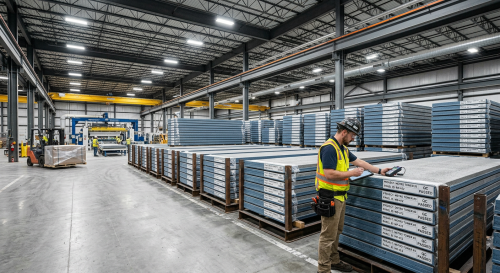
Work with suppliers who run in-house quality inspection on core density and thickness tolerance, not just surface finish. A factory with dedicated production lines for acoustic composites, direct raw material sourcing, and documented QC checkpoints is far less likely to hand you a batch that looks identical but performs 15% worse acoustically. This is one more reason bulk buyers should treat acoustic panel sourcing with the same scrutiny they’d apply when evaluating SPC flooring for high-traffic commercial projects — consistency at scale is the real test of a supplier, not the sample piece.
-

UV Marble Panels in Hotel Lobbies: 5 Real Projects That Replaced Real Stone
09 Jun, 2026
-
WPC Decking Maintenance Tips: A Practical Care Guide for Long-Lasting Outdoor Decks
09 Jun, 2026
-
How to Choose the Right SPC Flooring Supplier in 2026: A Buyer’s Checklist
09 Jun, 2026
-
PVC vs WPC vs SPC Wall Panels: Which One Wins for Your Project?
09 Jun, 2026