

















Container Loading Mistakes That Delay Building Material Shipments — And How to Avoid Them
-
 By Sytech
-
28 Jul, 2026
-


Most container delays for building materials trace back to three preventable mistakes: incorrect weight distribution, missing or mismatched documentation, and poor packaging that invites customs inspection. Fix those three things and you eliminate roughly 80% of the shipment holdups importers complain about. The rest comes down to communication gaps between factory, freight forwarder, and buyer — which is fixable with a simple pre-loading checklist.
Mistake #1: Loading by Volume Instead of Weight Balance
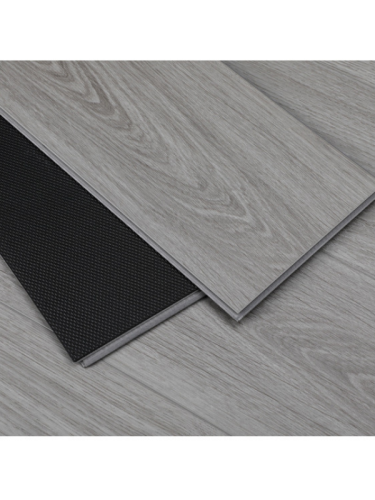
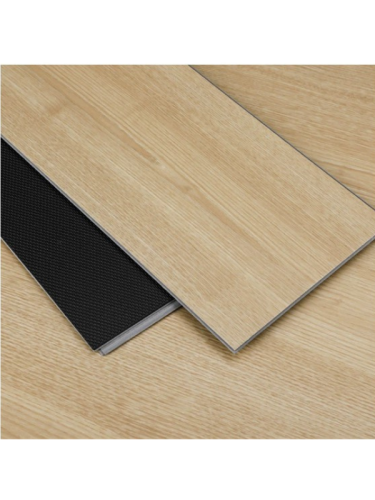
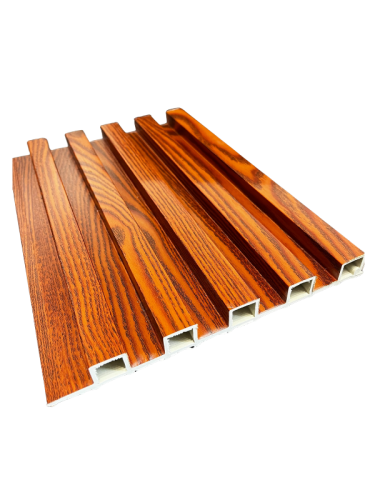
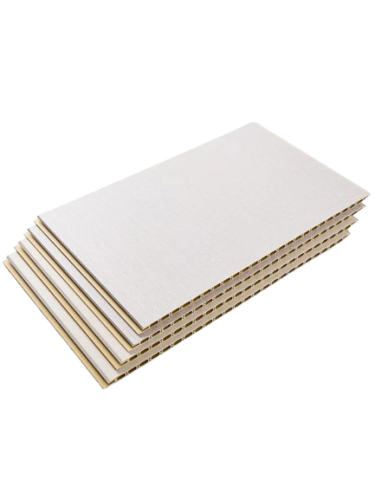
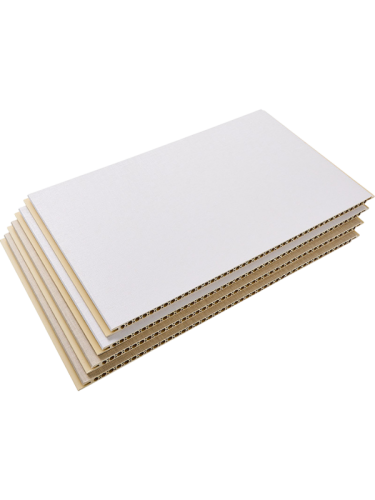
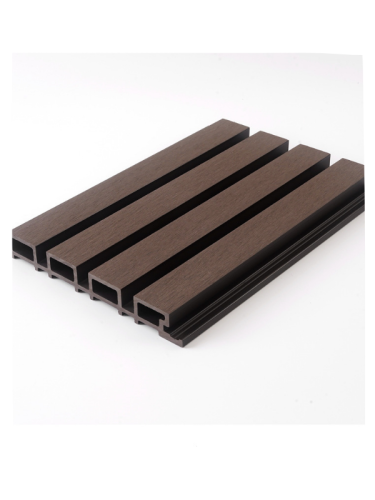
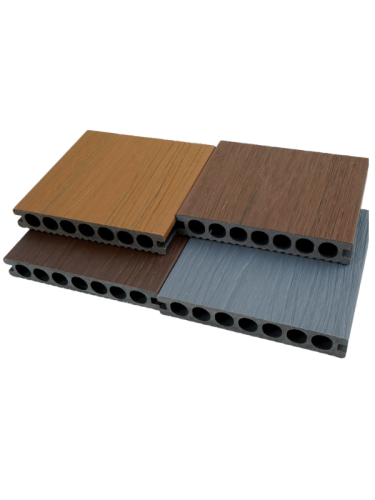
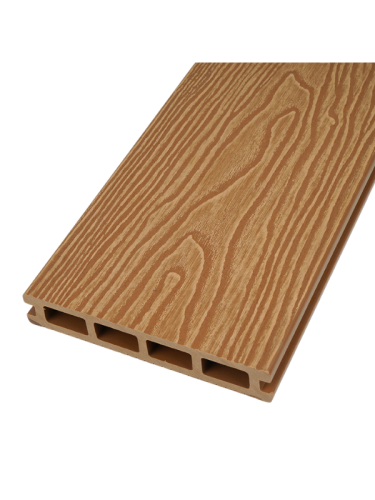
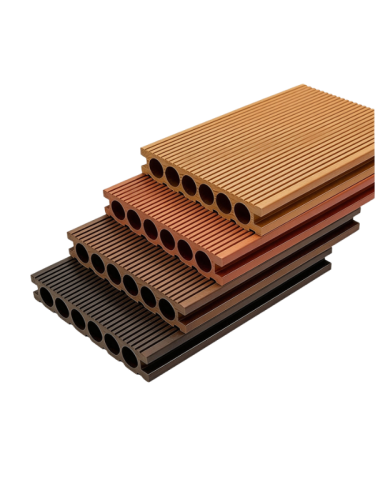
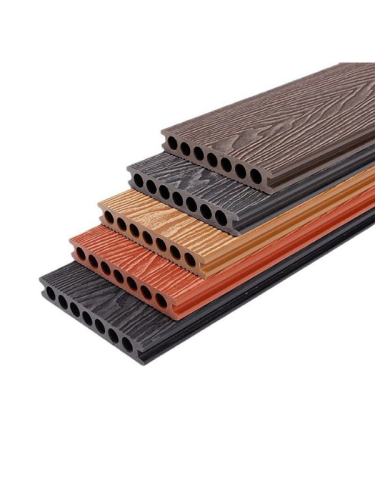
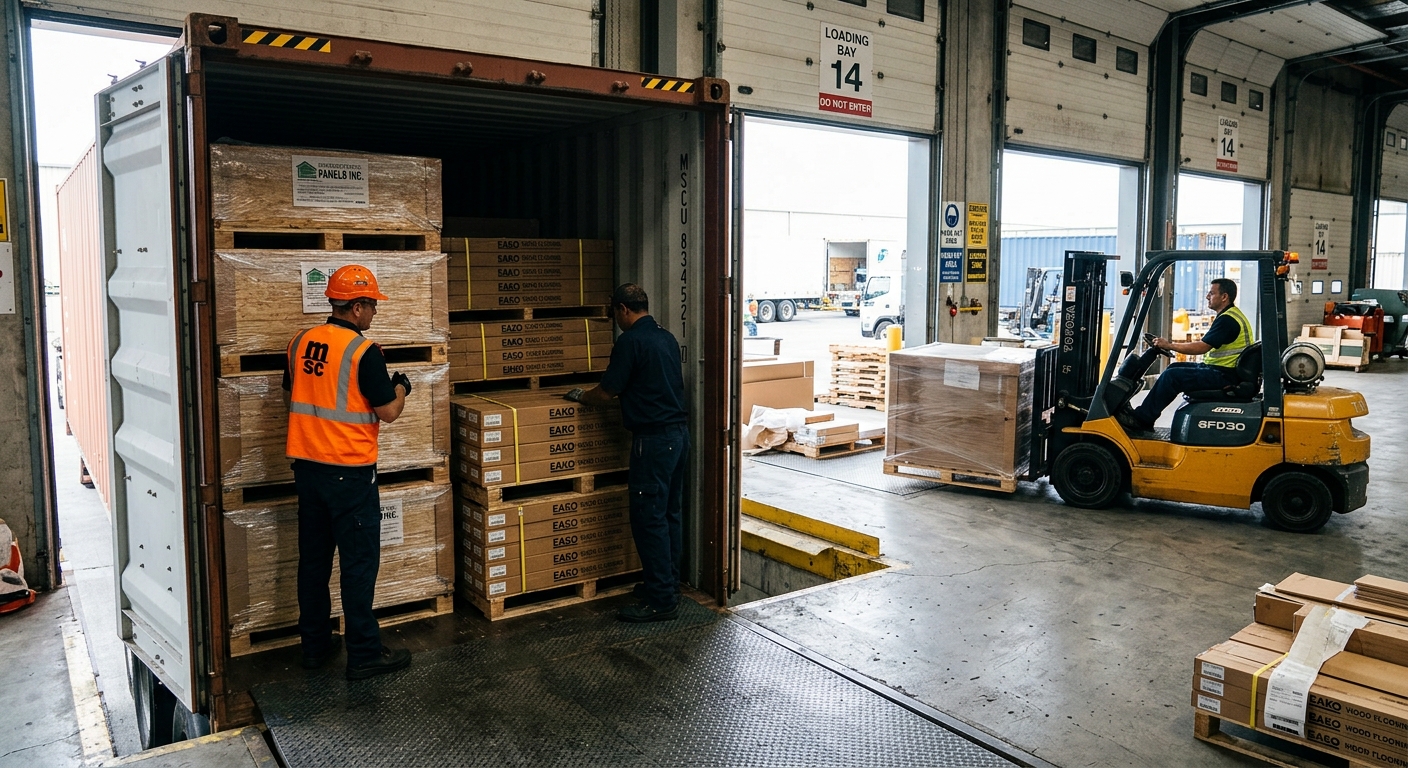
Here’s something a lot of first-time importers don’t realize: a container can be full of empty space and still be over the axle weight limit. SPC flooring is dense — a single 20ft container of SPC click flooring can weigh 22-24 tons even when it looks half-loaded. Meanwhile, WPC decking and PVC wall panels are bulkier but lighter, so they fill cube space fast without hitting weight limits.
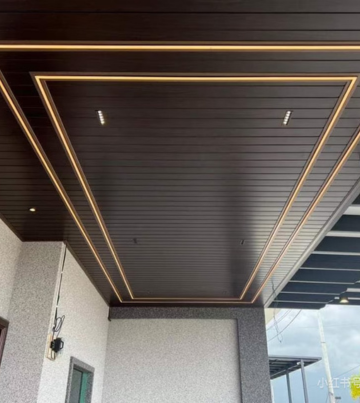
The mistake happens when factories load mixed orders — say, SPC flooring plus lightweight ceiling panels — without recalculating the weight distribution across the container floor. Uneven weight causes cargo shift during ocean transit, which can trigger a port inspection hold on arrival, sometimes adding 5-10 days.
The fix
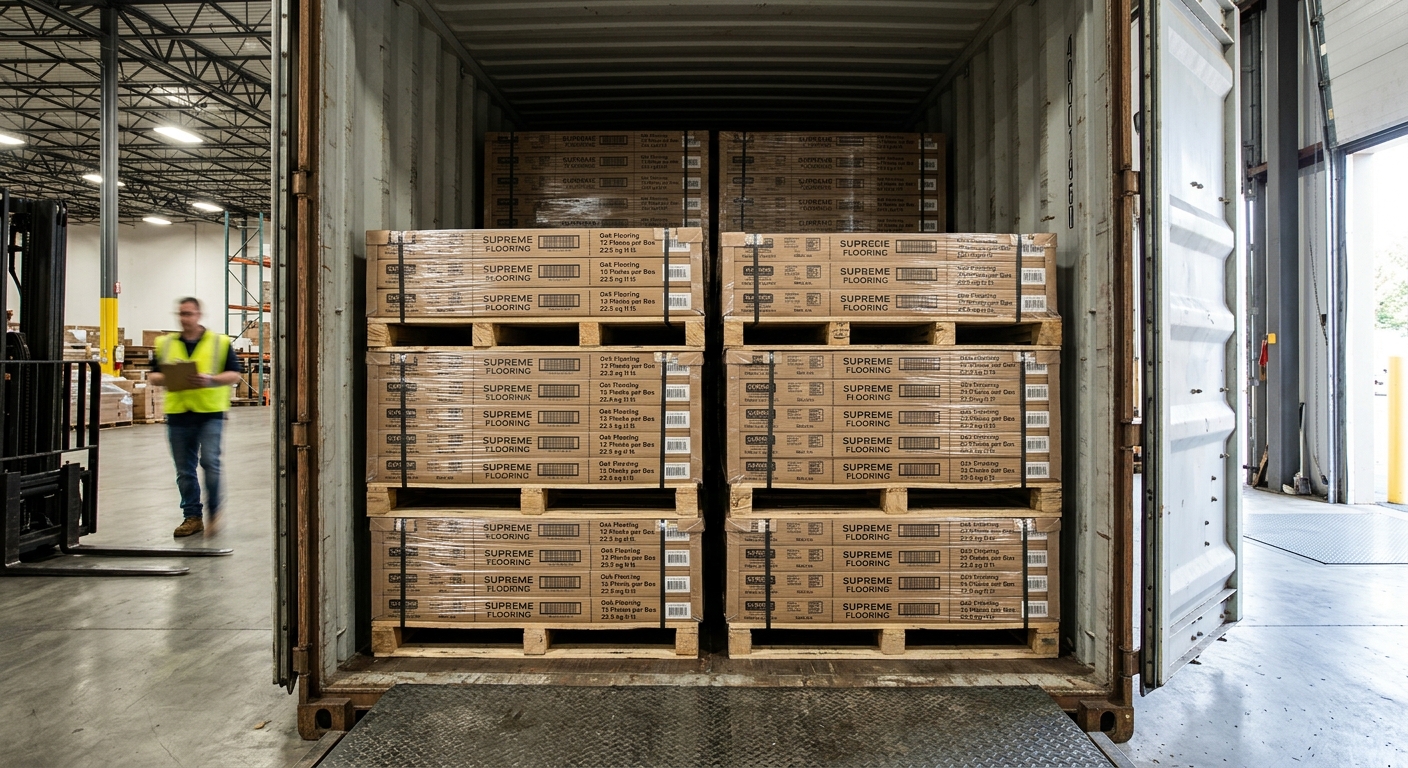
Ask your supplier for a loading diagram before the container is sealed, not after. A proper diagram shows pallet position, weight per axle zone, and dunnage placement. If you’re sourcing SPC flooring for a commercial project, this matters even more — check our guide on choosing SPC flooring for high-traffic commercial projects for density specs that affect container weight planning.
Mistake #2: Skipping Moisture Barrier Packaging
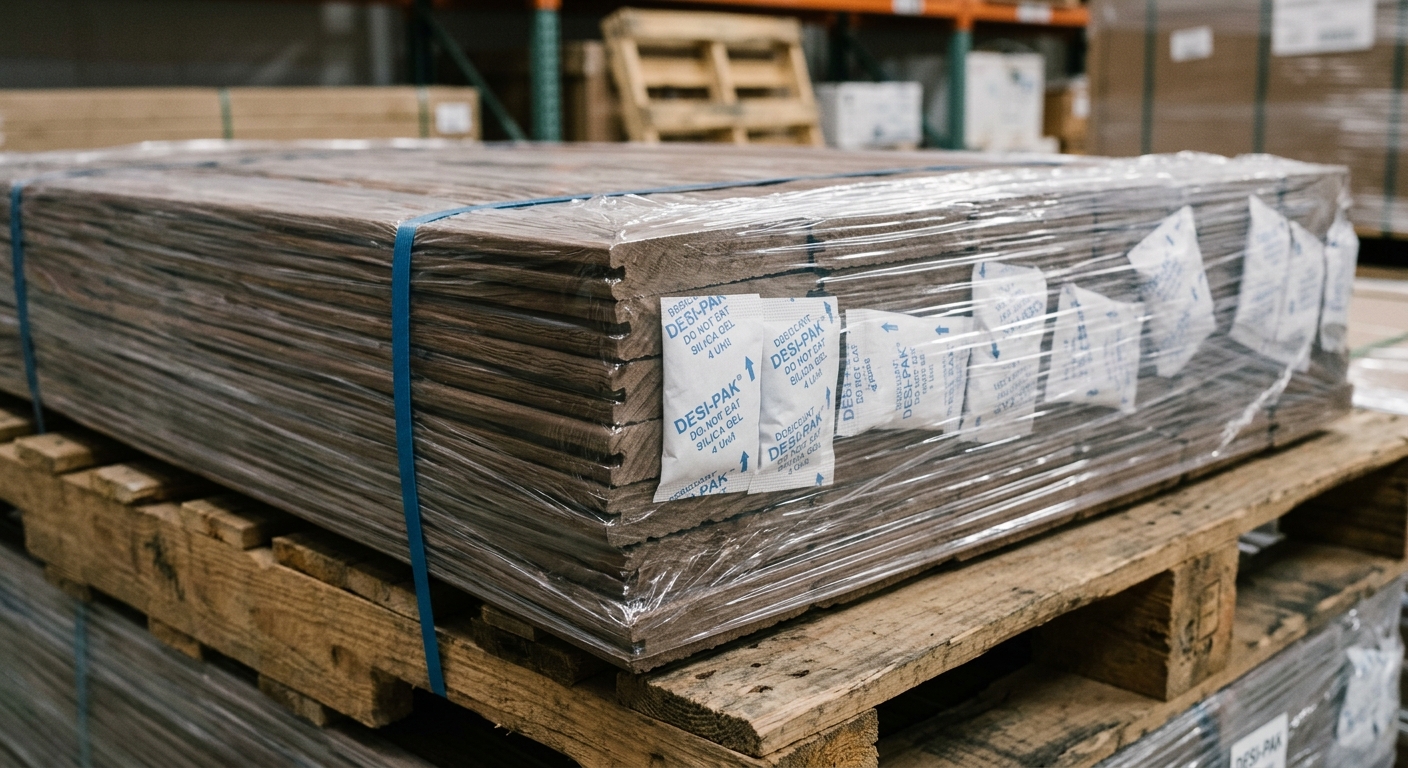
WPC decking and bamboo charcoal panels absorb ambient moisture faster than most importers expect, and ocean transit through humid ports — Ho Chi Minh, Lagos, Jeddah — can add weeks of exposure to fluctuating temperatures inside a steel container. Condensation inside a sealed container is real; it’s called ‘container rain,’ and it happens when warm humid air meets the cold steel roof at night.
If panels aren’t wrapped in moisture-barrier film with desiccant packs, you risk surface swelling, mold spots, or delamination that customs or the buyer’s QC team catches on arrival — leading to rejected shipments or costly re-inspection delays.
Real-world example
A distributor importing WPC decking into a coastal Middle East port once had an entire container flagged for secondary inspection because moisture had condensed on the shrink wrap, making customs suspect water damage before the container was even opened. The product was fine — but the delay cost nine extra days in port storage fees. Proper desiccant packaging would have prevented the visual red flag entirely. This is the same underlying failure mode we cover in why WPC decking cracks, fades, or warps — moisture management doesn’t stop at the factory gate.
Mistake #3: Mismatched HS Codes Across Mixed-Product Containers
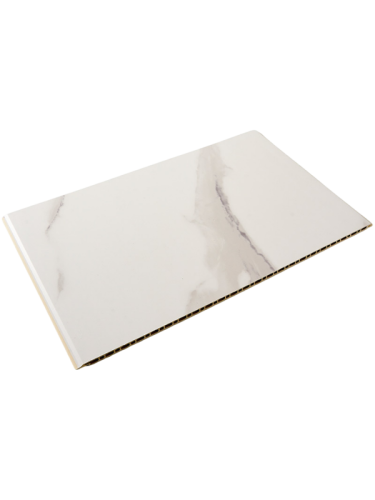
PVC wall panels, SPC flooring, and UV marble panels often fall under different HS code classifications despite looking similar on a packing list. When a factory consolidates multiple product types into one container without double-checking each item’s correct code, customs brokers on the receiving end can flag the entire shipment for manual classification review.
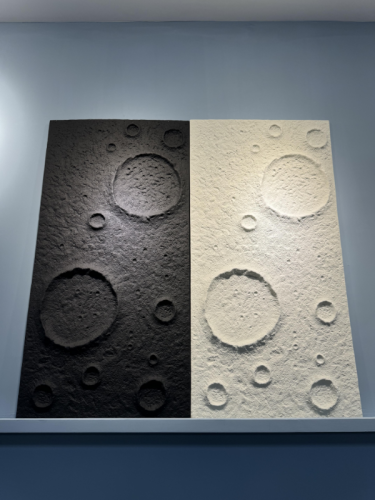
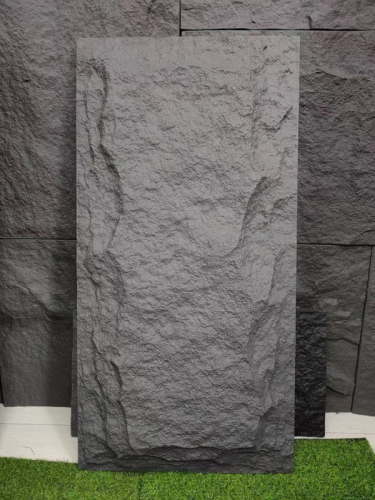
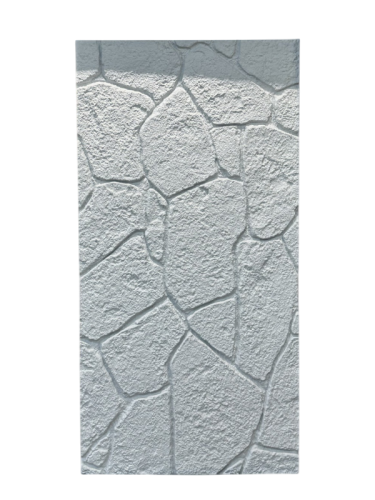
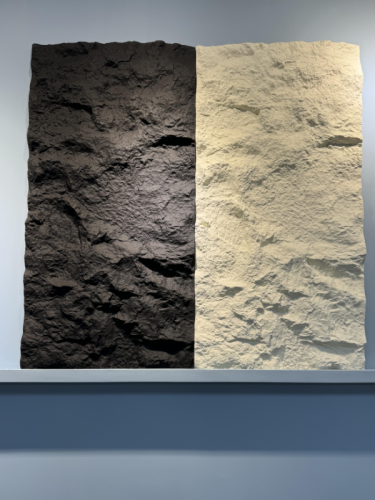
This is especially common with buyers stocking a full product range for a single order — a mix of ceiling panels, acoustic panels, and PU stone panels going to one warehouse. Each material type may carry a different duty rate, and an inconsistent declaration invites scrutiny.
The fix
Request a pre-shipment commercial invoice with itemized HS codes matched to each product category, and verify them against your destination country’s tariff schedule before the container leaves the factory — not after it’s already on the water.
Mistake #4: Underestimating Loading Time for Fragile Surface Finishes
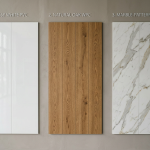
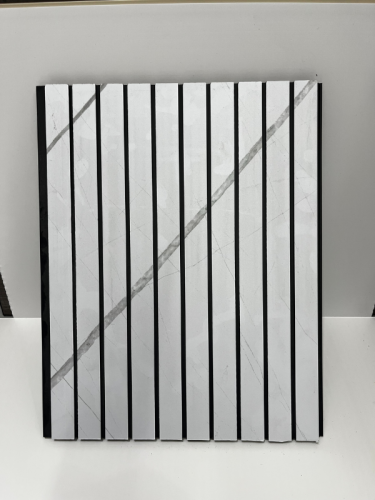
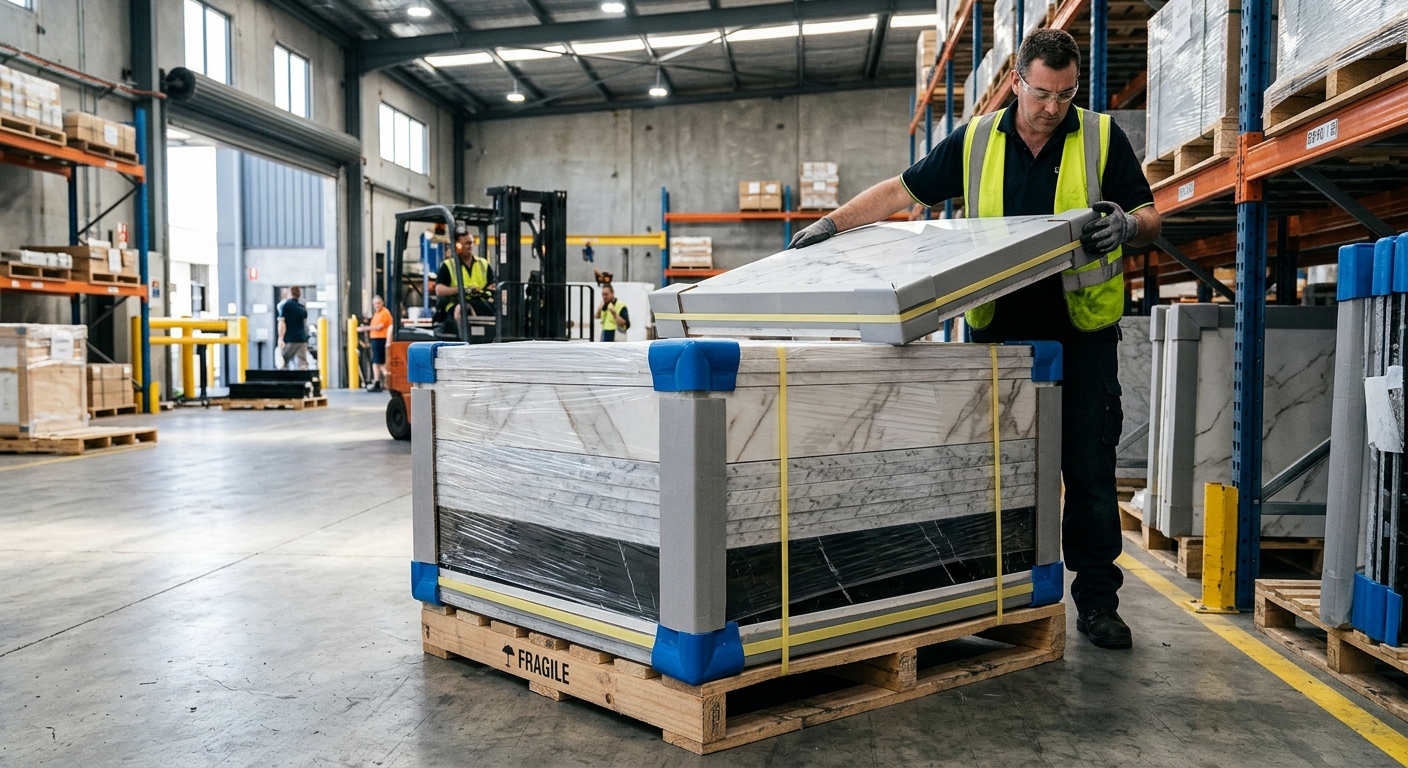
UV marble panels and PU stone panels have decorative surface coatings that scratch or scuff if stacked without edge protection or if loaded too quickly by rushed dock crews. A rushed 45-minute container load that should have taken two hours often results in visible surface damage discovered only when the buyer unpacks — and that discovery happens far from the factory, where remediation options are limited.
Damaged surface panels frequently get rejected at final inspection, forcing a costly reorder and a second shipping cycle that can add 30-45 days to a project timeline. For buyers sourcing decorative surface panels, this is worth reviewing alongside our UV marble sheet buying guide, which covers surface durability specs relevant to handling and transit.
Mistake #5: No Pre-Loading Photo or Video Verification
Buyers who skip pre-loading verification are flying blind until the container reaches port — sometimes six to eight weeks later. Without timestamped photos or a video walkthrough of the loading process, there’s no way to confirm quantity, packaging condition, or loading pattern before the container doors close and get sealed.
This isn’t paranoia — it’s standard practice among experienced importers. A quick video call during loading, or a set of dated photos showing each pallet stacked and the final seal number, gives you documented proof if a dispute arises over damage or shortage claims later.
Mistake #6: Ignoring Destination Port Congestion Patterns
Even a perfectly loaded container can sit for weeks if it arrives during a known congestion window — Lunar New Year shipping surges, monsoon season port slowdowns, or peak retail-season backlogs at major hubs. Experienced suppliers track these patterns and adjust production and shipping schedules accordingly, rather than loading and shipping on autopilot.
For example, a contractor ordering acoustic panels for a Q1 hotel renovation should plan the shipment to clear port before December congestion hits, not during it. Building this buffer into procurement timelines is something we discuss more broadly in how to vet a wall panel factory before a bulk order, since supplier reliability includes shipping timing awareness, not just production quality.

The Pre-Loading Checklist That Prevents Most Delays
- Confirm weight distribution plan matches product density (SPC vs. WPC vs. PVC)
- Verify moisture-barrier packaging and desiccant on humidity-sensitive materials
- Cross-check HS codes on the commercial invoice against destination tariff schedules
- Require edge/corner protection on decorative surface panels
- Request timestamped loading photos or a live video walkthrough
- Ask your supplier about current port congestion and realistic transit windows
None of this is complicated. It just requires asking the right questions before the container is sealed, not after it’s already three weeks into a 35-day ocean transit.
-
PVC vs WPC vs SPC Wall Panels: Which One Wins for Your Project?
09 Jun, 2026
-
WPC Decking Maintenance Tips: A Practical Care Guide for Long-Lasting Outdoor Decks
09 Jun, 2026
-
UV Marble Sheet Buying Guide: How to Source the Right Panels in 2026
09 Jun, 2026
-
UV Marble Panels in Hotel Lobbies: 5 Real Projects That Replaced Real Stone
09 Jun, 2026