









WPC Fencing and Railing: A Practical Guide for Outdoor Project Buyers
-
 By Sytech
-
 18 Aug, 2026
-


The short answer: WPC fencing and railing last longer than wood and look better than plain plastic, but only if the wood-plastic ratio, UV coating, and core structure are right. A cheap WPC fence with too much filler and no capping layer will crack within two summers — a properly formulated one will hold its color and shape for over two decades. This guide walks through exactly what to check before you commit to a bulk order.
What Actually Makes WPC Fencing Different From Wood or PVC
WPC stands for wood-plastic composite, and the name is literal — it’s wood fiber blended with HDPE or PE plastic, then extruded under heat and pressure into solid fence pickets, rails, and posts. That blend is why WPC fencing behaves so differently from either parent material.
Pure wood fences absorb moisture, swell, and eventually rot or warp — especially in humid climates or coastal projects. Pure PVC fences don’t rot, but they look plastic, expand more with temperature swings, and can turn brittle in extreme cold. WPC sits in the middle: the wood fiber gives it a natural texture and lower thermal expansion than PVC, while the plastic matrix locks out moisture absorption that would otherwise cause rot.
The Ratio That Matters Most
Ask your supplier for the wood-to-plastic ratio. A good outdoor-grade WPC fence panel runs roughly 50-60% wood fiber to 40-50% plastic. Go higher on wood content and you get better rigidity and a more natural look, but higher water absorption risk if the capping layer is weak. Go lower on wood content and the product feels more like colored plastic — cheaper to make, but less structurally stable in high heat.
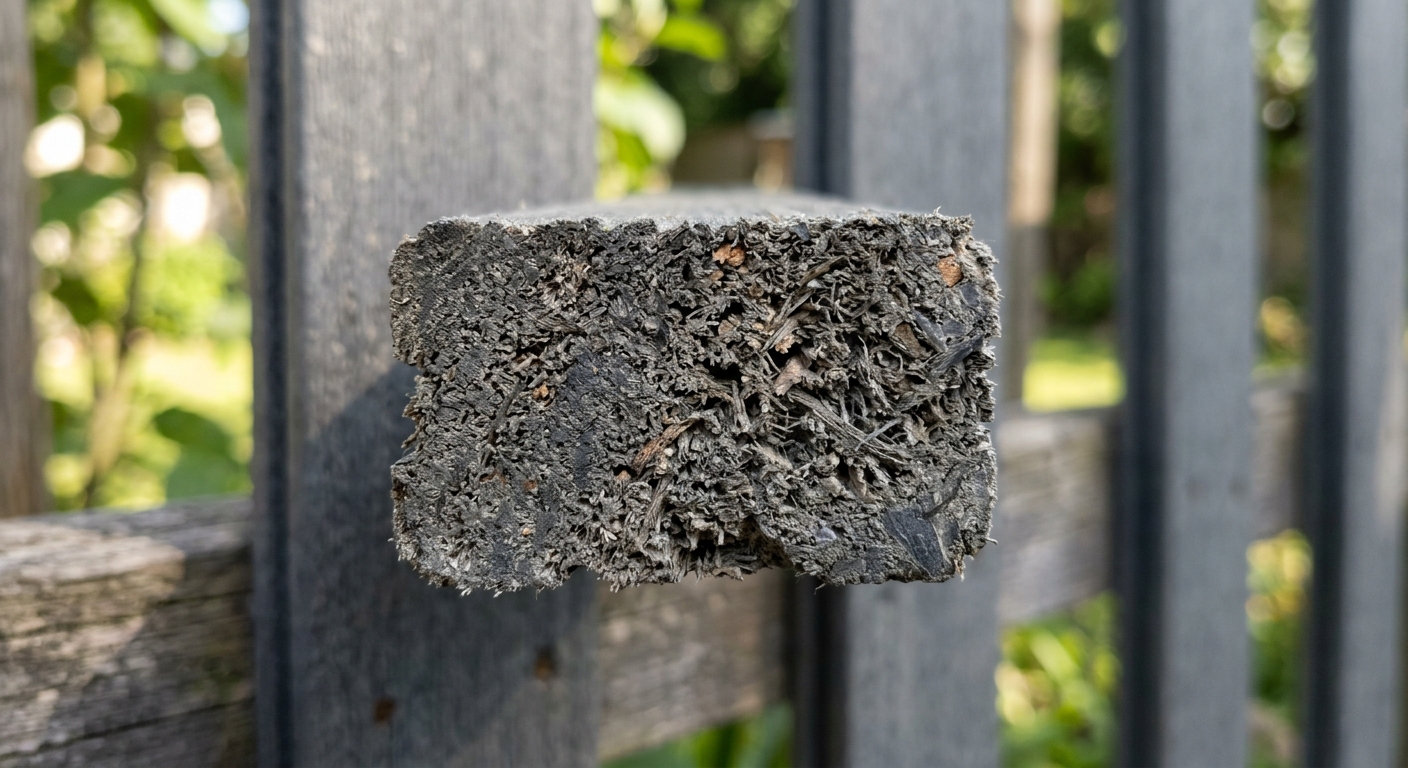
Capped vs Uncapped WPC: The Difference Buyers Often Miss
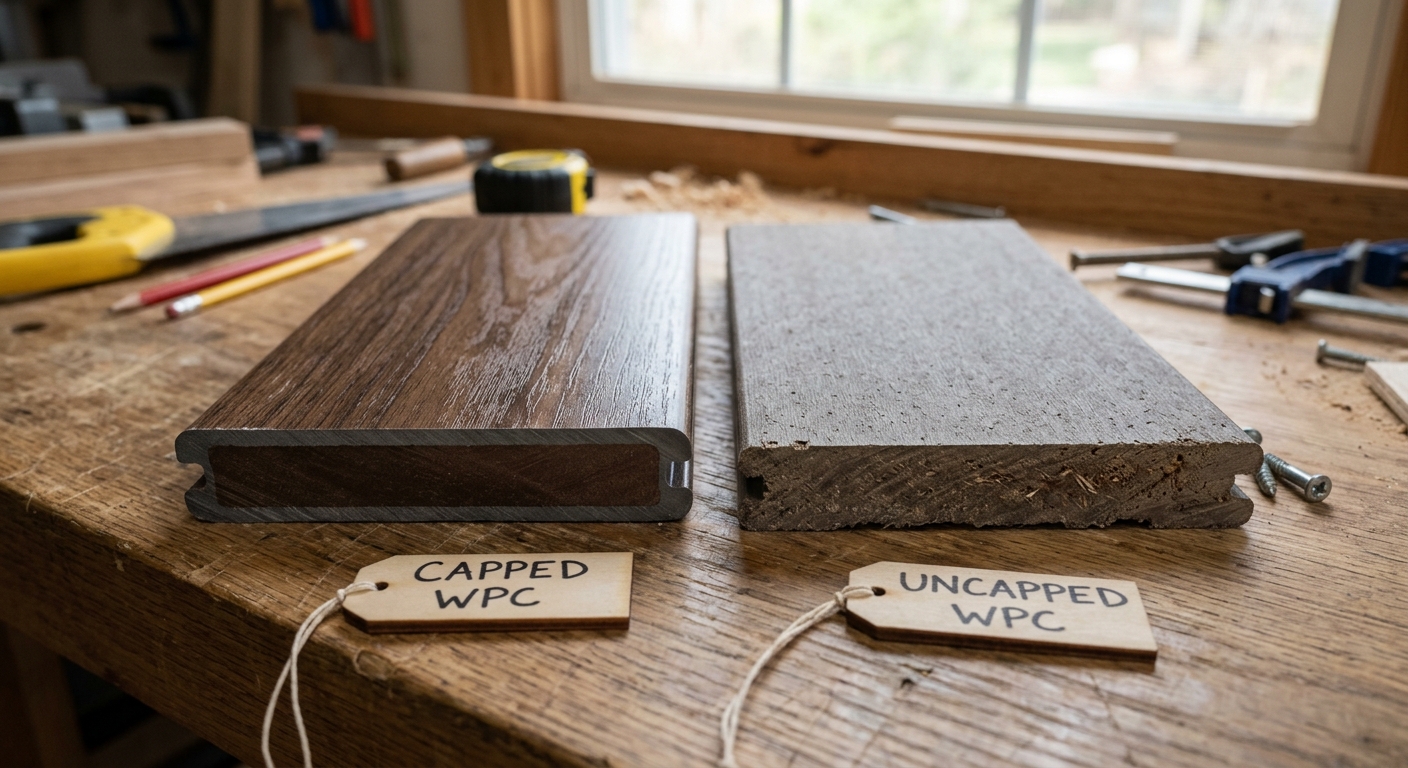
Here’s a mistake we see constantly: buyers compare WPC fencing purely on price per meter and skip the question of whether the panel is capped. Capping is a co-extruded outer layer of pure plastic (usually PE) wrapped around the wood-plastic core — and it’s the single biggest factor in how long a fence resists moisture, mold, and UV fading.
Uncapped WPC
Cheaper, but the exposed wood fibers on the surface absorb moisture over time. In wet climates, uncapped WPC fencing can show mold spotting within 18-24 months and gradual surface roughening as fibers swell and shrink with weather cycles.
Capped WPC
Costs roughly 15-25% more per unit but the plastic shell blocks water penetration almost entirely and holds color better under UV exposure. For any coastal, tropical, or high-rainfall project, capped WPC is the only sensible choice — full stop, don’t compromise here to save a few cents per meter.
Railing Specifications That Affect Load and Safety
Fencing and railing aren’t the same engineering problem. A fence just needs to stand upright and resist wind load; a railing has to bear lateral human weight — someone leaning, a child pushing against it, a hand gripping the top rail during a fall. That changes what you need to specify.
- Post spacing: For WPC railing on decks or balconies, post centers should not exceed 1.8m for structural compliance in most residential codes — tighter spacing (1.2-1.5m) is safer for commercial projects.
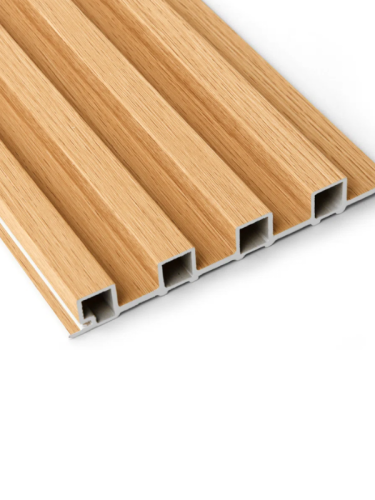
- Wall thickness: Hollow WPC rail profiles should have a minimum wall thickness of 3mm; anything thinner flexes excessively under load.
- Internal reinforcement: For top rails spanning more than 1.5m, ask for aluminum or steel insert reinforcement inside the WPC profile. Pure composite without reinforcement can sag over time under repeated load.
A hotel project buyer once ordered unreinforced WPC railing for a rooftop bar because it was 12% cheaper — within a year, the top rail had visible sag between posts. Reinforced profiles would have cost more upfront but saved a full re-installation.
Where WPC Fencing and Railing Actually Get Used
WPC fencing shows up most in three project types: residential perimeter fencing, pool and garden enclosures, and commercial/hospitality railing systems. Each has slightly different priorities.
Residential Perimeter Fencing
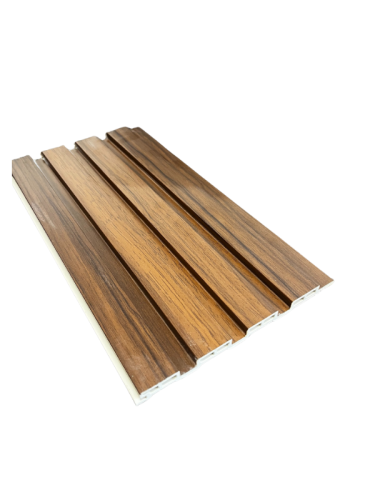
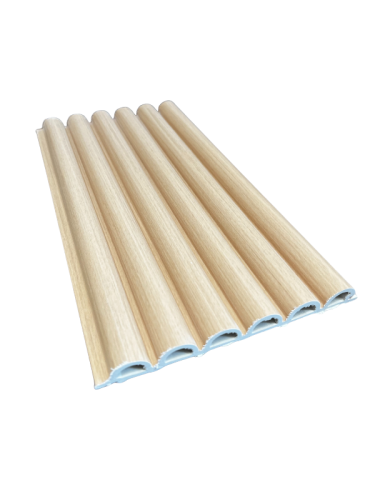
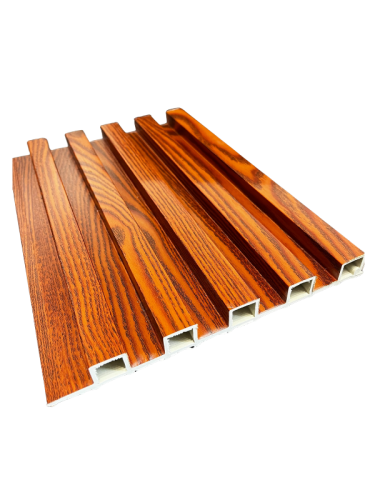
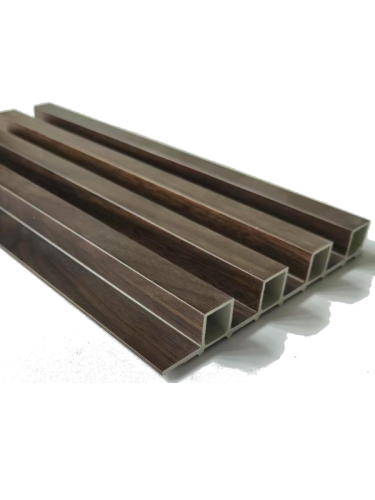
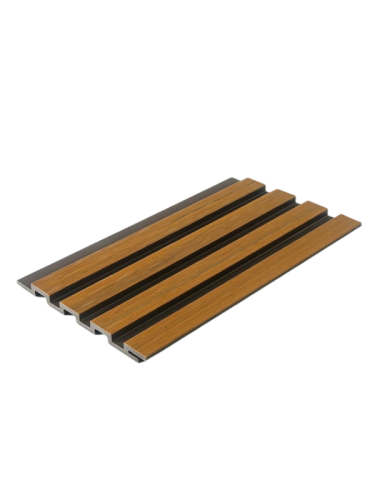
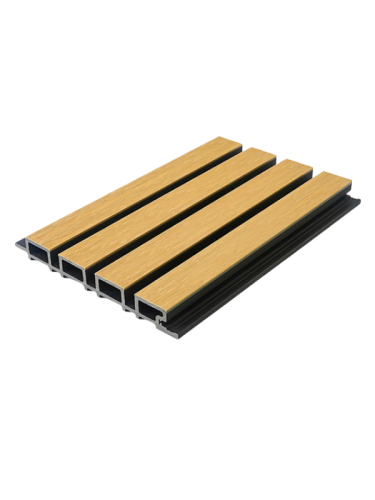
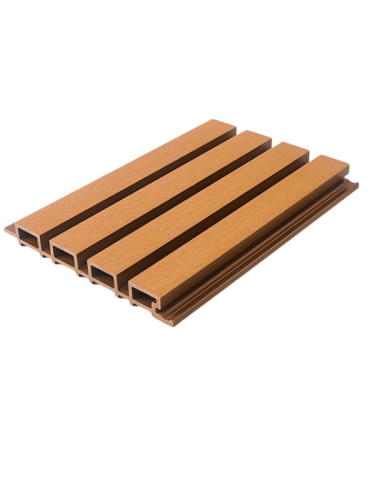
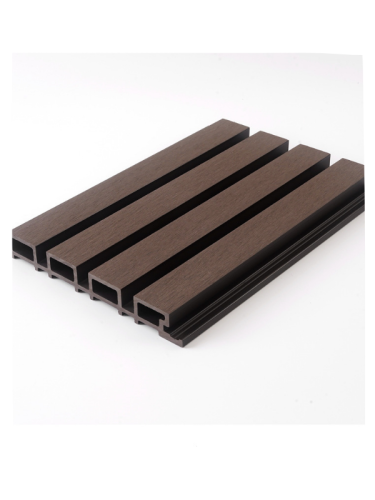
Homeowners and developers like WPC because it mimics wood tone without the upkeep. Louvered or horizontal-slat WPC fence panels are especially popular for privacy fencing in suburban developments.
Pool and Garden Enclosures
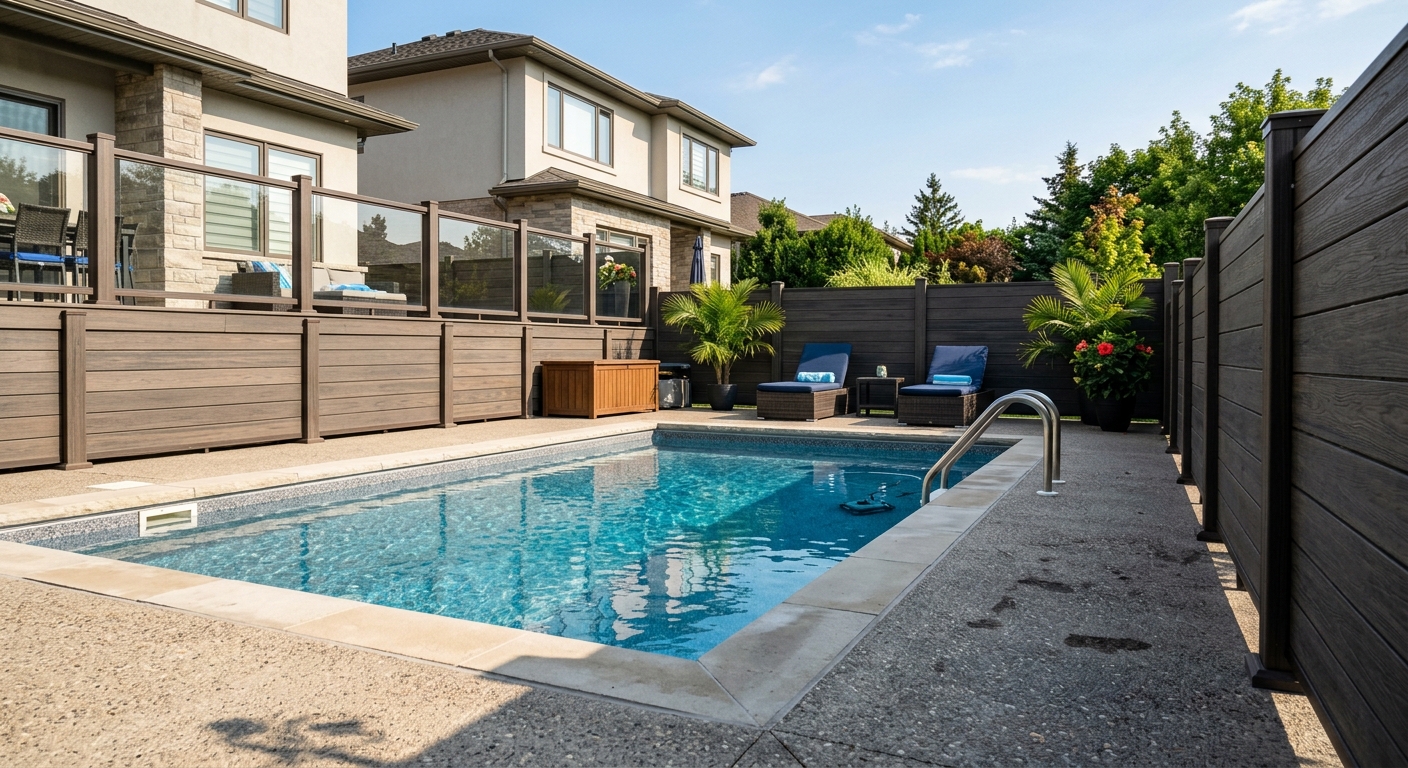
Chlorine exposure and constant moisture make WPC a stronger choice than raw wood here — no swelling, no splintering underfoot near pool decks.
Hospitality and Commercial Railing
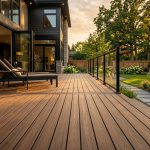
Hotels and resorts use WPC railing on balconies, boardwalks, and rooftop bars because it delivers a natural aesthetic that matches WPC decking, without the maintenance cost of teak or ipe hardwood railing systems. This pairs naturally with our guide on why WPC decking cracks, fades, or warps — the same moisture and UV principles apply to fencing and railing profiles.
Installation Clearances Contractors Frequently Get Wrong
WPC expands and contracts with temperature more than metal or real wood — typically 2-4mm per meter across a 40°C temperature swing. Contractors who install WPC fencing rigidly, flush against posts with no gap, end up with buckled panels within a single hot season.
The fix is simple: leave a 3-5mm expansion gap at every panel-to-post junction, and use sliding or floating brackets rather than fixed screws through the panel face wherever the system allows it. For ground-level posts, keep the base of the fence panel at least 5cm above finished ground level to avoid water pooling and wicking moisture into the composite over time.
Sourcing WPC Fencing and Railing in Bulk: What to Verify
Ordering fencing and railing by the container is very different from a retail purchase — small formulation inconsistencies get multiplied across thousands of meters. Before confirming a bulk order, verify these points directly with your supplier:
- Request raw material sourcing details — is the wood fiber and HDPE virgin or recycled? Recycled content can be fine for cost-sensitive projects but should be disclosed, not hidden.
- Ask for accelerated weathering test data (UV chamber results) rather than just marketing claims of “fade resistant.”
- Request dimension tolerance specs — warped or inconsistent profile widths cause installation headaches across long runs.
- Confirm color batch consistency procedures, since fencing runs are highly visible and color mismatch between production batches is an obvious defect on a finished job.
These same due-diligence steps apply broadly to composite building material sourcing — our post on how to vet a wall panel factory before you place a bulk order covers the factory audit process in more depth and applies just as well to fencing and decking suppliers.
Packaging and Shipping Considerations Specific to Fencing
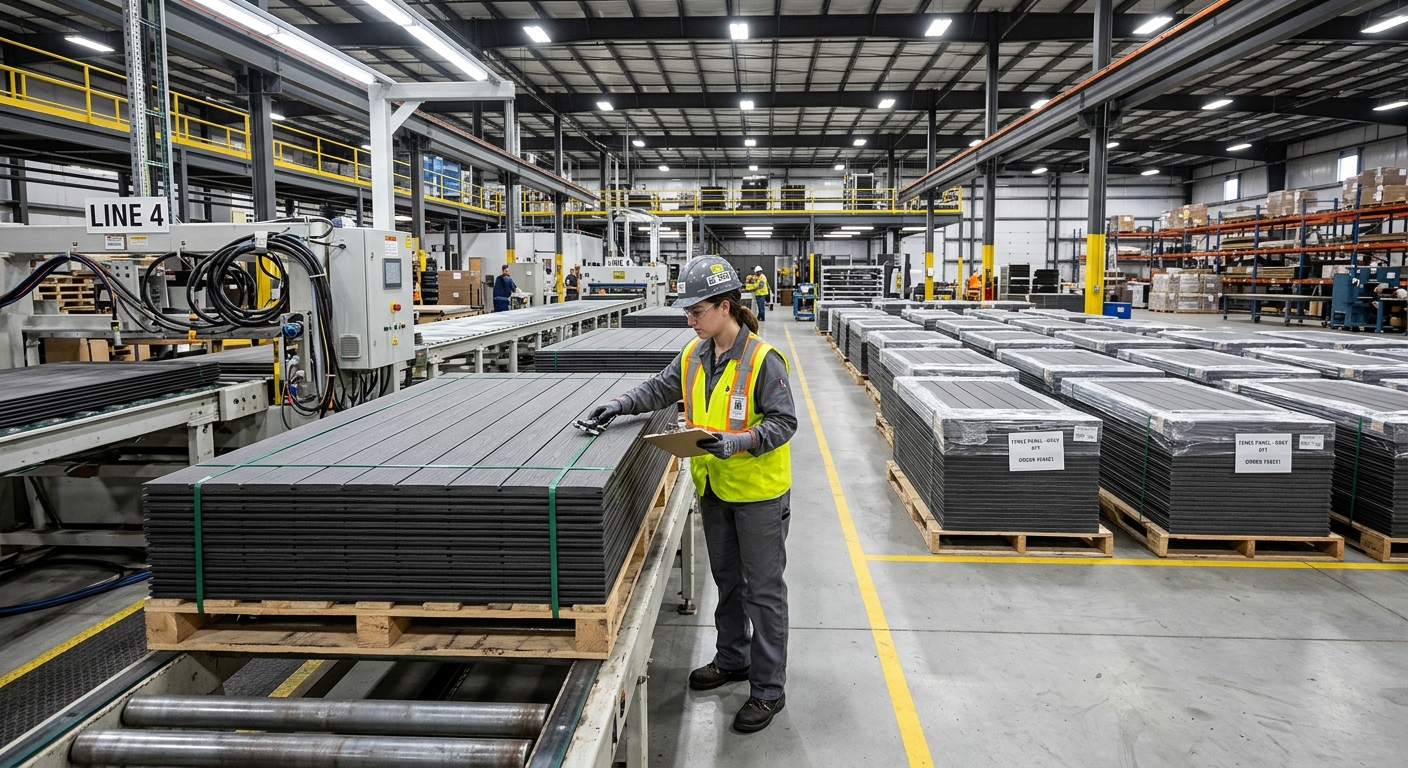
Fence and railing profiles are long, often 1.8-3m per piece, which makes container loading a different challenge than flooring or wall panels. Poorly packed loads shift during transit and arrive with scratched surfaces or bent profiles.
Look for suppliers who bundle profiles with corner protectors, use moisture-resistant wrapping for ocean freight, and load with weight distributed to prevent crushing lower layers. If you’re new to importing long-profile building materials, our breakdown of container loading mistakes that delay building material shipments is worth reviewing before your first order — the same loading errors that damage flooring shipments cause even more visible damage on fencing profiles.
-

UV Marble Sheet Buying Guide: How to Source the Right Panels in 2026
09 Jun, 2026
-
PVC vs WPC vs SPC Wall Panels: Which One Wins for Your Project?
09 Jun, 2026
-
WPC Decking Maintenance Tips: A Practical Care Guide for Long-Lasting Outdoor Decks
09 Jun, 2026
-
UV Marble Panels in Hotel Lobbies: 5 Real Projects That Replaced Real Stone
09 Jun, 2026