








WPC Decking Maintenance Tips: A Practical Care Guide for Long-Lasting Outdoor Decks
-
 By Sytech
-
09 Jun, 2026
-


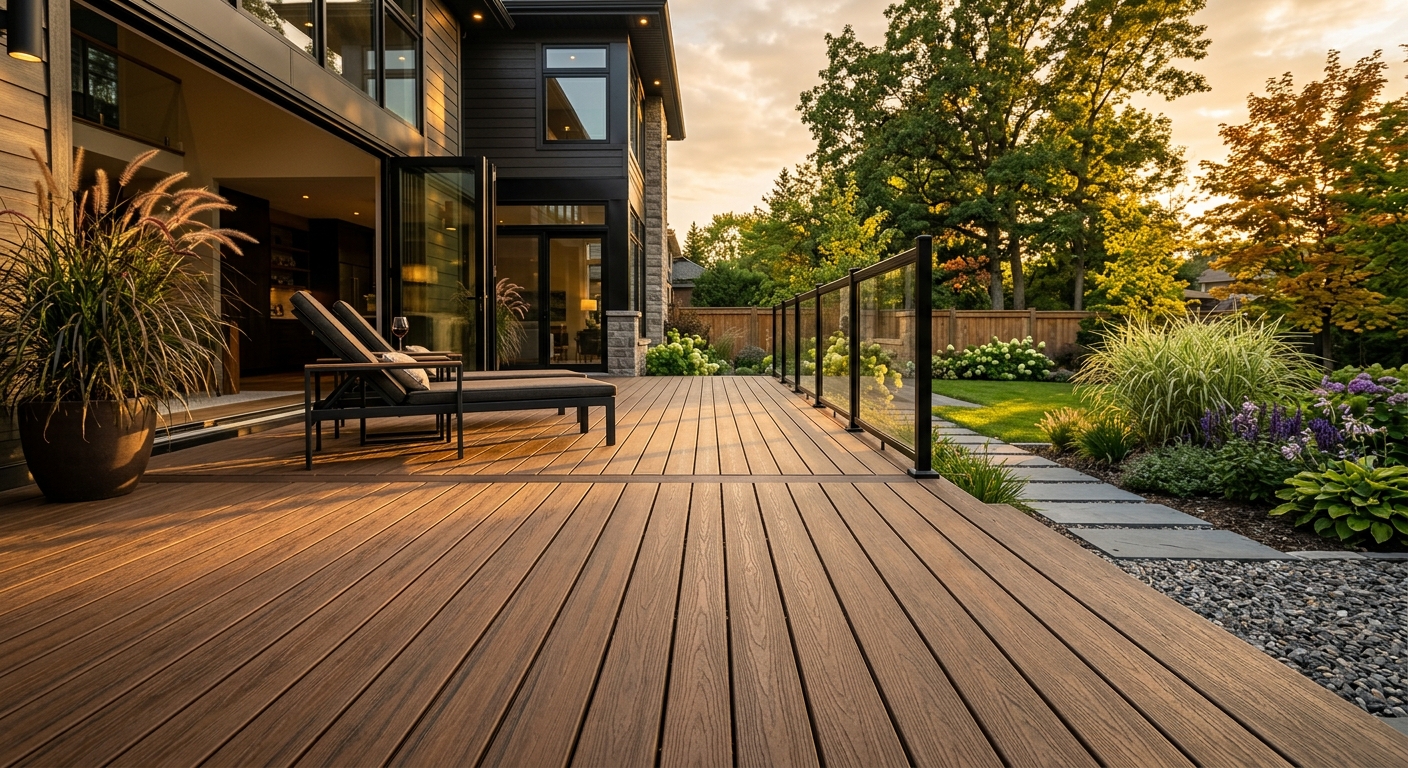
WPC decking maintenance comes down to four habits: rinse it monthly, deep clean it twice a year, treat stains within 24 hours, and inspect fasteners and drainage gaps every spring. Do those four things and a quality WPC deck will hold its color, structure, and slip resistance for 15 to 25 years — no sealing, sanding, or staining required. The catch? Most premature deck failures we see in the field aren’t caused by the material. They’re caused by skipped basics, wrong cleaners, or pressure washers cranked up too high.
Why WPC Decking Needs Less Maintenance — But Not Zero
WPC (wood-plastic composite) is engineered to skip the headaches of natural timber. No annual oiling, no sanding splinters, no rot. The wood fiber is locked inside a polymer matrix, so moisture absorption is typically under 1% versus 15–20% for untreated hardwood.
But here’s the part suppliers don’t always spell out: low maintenance is not no maintenance. Pollen, tree sap, barbecue grease, and standing water still land on the surface. If you ignore them, you’ll see surface mildew, color shading, or slip hazards within 2–3 seasons — not because the board failed, but because organic debris built up on top of it.
The good news: a single afternoon twice a year is usually enough. Compare that to the 8–12 hours of sanding and resealing a hardwood deck demands annually, and the maintenance gap becomes obvious.
The Monthly Rinse: 15 Minutes That Prevents 90% of Problems
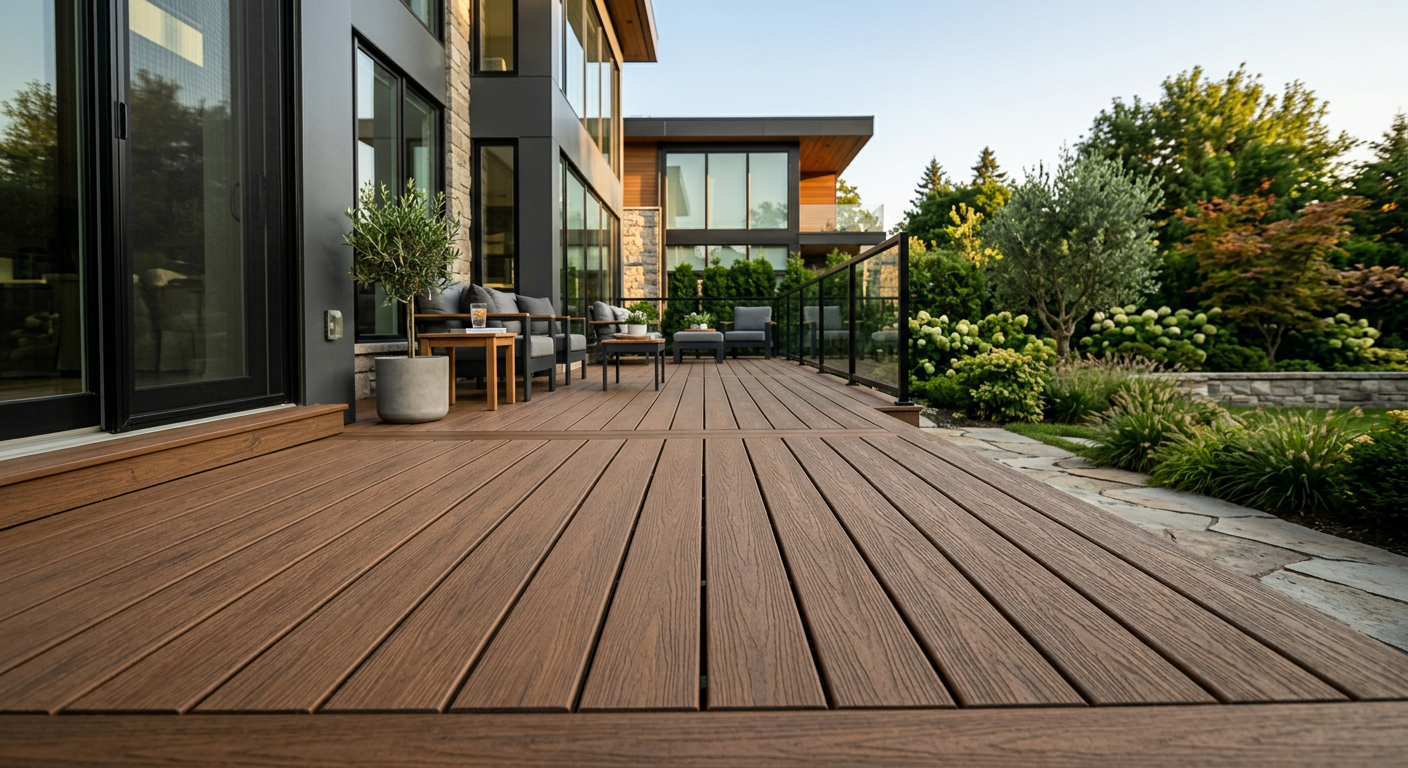
The single most effective habit is also the laziest one. Once a month — twice a month under heavy tree cover — sweep loose debris off the boards with a soft-bristle broom, then rinse with a garden hose.
Why this matters: leaves, pine needles, and pollen trap moisture against the surface. Within weeks, that damp organic layer becomes a food source for black mildew spots. We’ve seen brand-new decks in coastal Florida grow surface mold in under 60 days when leaf litter was left in the corners.
What to focus on
- Gaps between boards — flush out trapped grit so water drains freely
- Shaded corners under furniture and planters
- Areas around BBQ stations where grease splatter lands
For a 30 m² residential deck, this takes about 15 minutes. No detergent. No tools beyond a broom and a hose.
Deep Cleaning: Spring and Autumn Routine
Twice a year — once after winter, once before it — give the deck a proper wash. Pick a mild, overcast day so cleaner doesn’t dry on the surface before you can rinse it.
The simple recipe that works
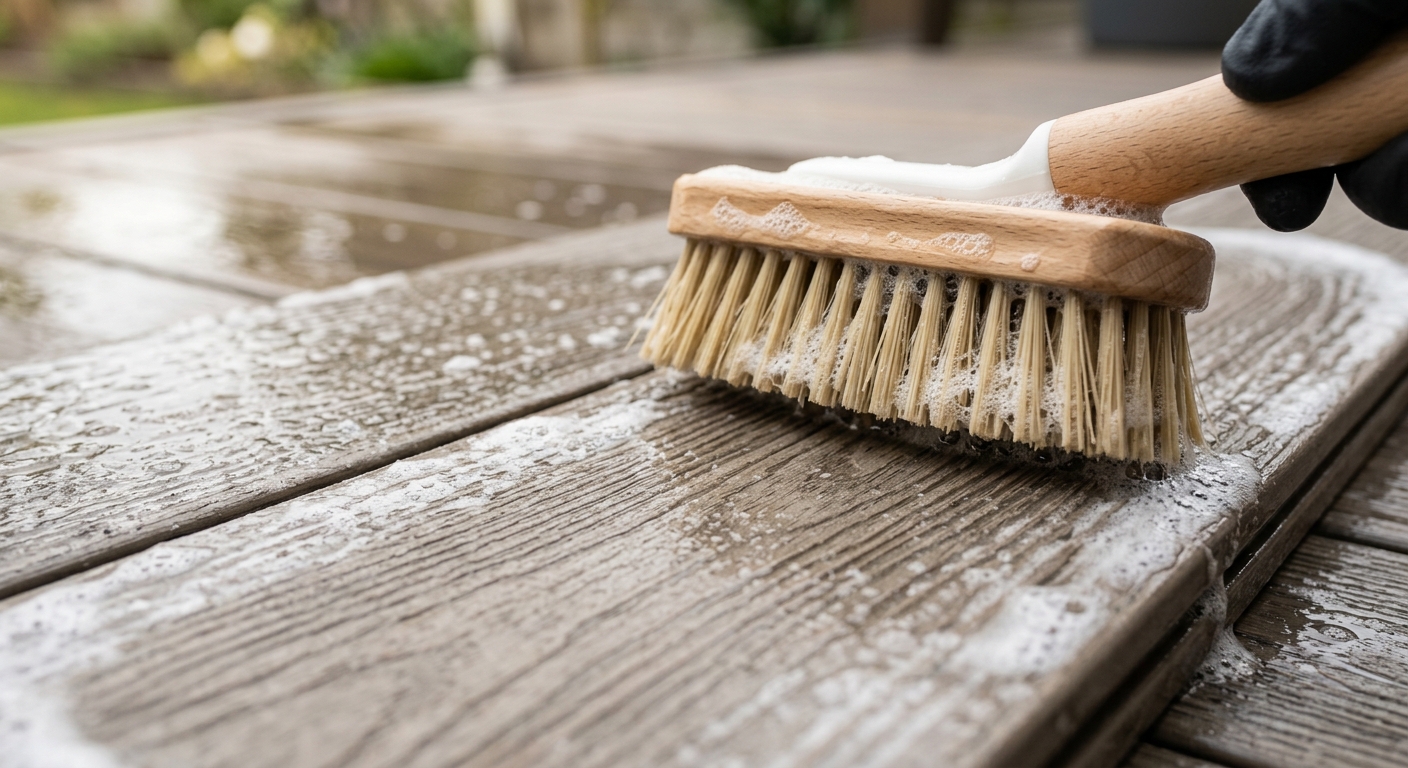
- Mix warm water with a few drops of pH-neutral dish soap or a dedicated composite deck cleaner
- Apply with a soft-bristle brush, working in the direction of the wood grain
- Let it sit 5–10 minutes — don’t let it dry
- Rinse thoroughly with a garden hose
Avoid bleach, ammonia, acetone, and acidic cleaners. These can dull the surface coating on co-extruded boards and may void some manufacturer warranties. Steel wool and wire brushes are out — they scratch the polymer cap and create rough patches that hold dirt.
For a real-world example: a hotel resort in Southeast Asia we supplied switched from quarterly chemical cleaning to a simple twice-yearly soap-and-water routine on its 400 m² pool deck. Two years in, the color uniformity is better than the previous schedule produced, and labor costs dropped roughly 60%.
Pressure Washing — Yes, But With Rules
You can pressure wash WPC decking. You just have to do it correctly, or you’ll permanently mar the surface.
The safe settings
- Pressure: 1,500 PSI maximum. Most boards handle this fine; some manufacturers cap at 1,300 PSI — check your spec sheet
- Nozzle: 40-degree fan tip only. Never a pinpoint 0° or 15° tip
- Distance: Hold the wand at least 30 cm (12 inches) from the surface
- Direction: Move with the grain, never against it, and keep the wand moving
A common mistake we see from contractors rushing through punch-lists: holding the wand close to blast off a stubborn stain. That concentrated jet etches the polymer cap, leaving a lighter, fuzzy patch that won’t blend back. Once that damage is done, it’s permanent.
If a stain won’t lift at safe pressure, switch to spot treatment. Don’t escalate the pressure.
Stain Removal: What to Use for Each Type
Most stains lift easily if you catch them within 24 hours. The longer they sit, the more they migrate into micro-pores in the cap layer.
Quick reference by stain type
- Grease and oil (BBQ, cooking): Sprinkle baking soda, leave 10 minutes, scrub with warm soapy water
- Wine, juice, food: Warm water + mild dish soap, soft brush
- Tree sap: Let it harden, scrape gently with a plastic putty knife, then warm soapy water
- Rust (from metal furniture feet): Oxalic-acid-based deck cleaner, applied per label instructions, rinsed quickly
- Ice and snow: Use calcium chloride or rock salt — never metal shovels. A plastic shovel with the blade angled slightly up works best
- Mildew (dark spots in shaded areas): Composite deck cleaner with sodium percarbonate; avoid chlorine bleach on co-extruded surfaces
For a real example: a restaurant operator in Australia reported persistent oil rings around their patio dining tables. Switching to felt pads under chair legs plus a weekly grease-spot wipe-down eliminated the issue completely. The decking didn’t change — the habit did.

Seasonal Inspections: The 10-Minute Walkthrough That Saves Thousands
Every spring and autumn, walk the deck and check four things. This catches small issues before they become structural ones.
The checklist
- Fasteners: Look for raised screws or loose hidden clips, especially at board ends. Re-tighten or replace as needed
- Board gaps: Most WPC boards need a 4–6 mm expansion gap. If debris has packed the gaps, clear them — blocked gaps cause water to pool and boards to push against each other in summer heat
- Joist contact points: Lift any removable boards and check for trapped moisture or debris on the joists below. Composite boards are waterproof; the substructure usually isn’t
- Drainage: Confirm water still runs off and doesn’t pool. Standing water for hours after rain points to a slope or blocked-gap issue
This entire inspection takes 10–15 minutes on a typical residential deck. For commercial installations, build it into the property management schedule. We’ve seen 600 m² rooftop decks at hotels avoid major repairs simply because a maintenance tech caught two loose fascia screws during a routine walkthrough.
If you’re seeing more serious issues like board warping or fading, that’s usually an installation or product-quality problem, not a maintenance one — and worth a separate conversation with your supplier.
Furniture, Planters, and Daily Habits That Matter
The small daily choices shape long-term appearance more than any cleaner does.
Practical habits
- Use furniture pads: Felt or rubber pads under chair and table legs prevent scuffing and rust transfer. Avoid pads with metal or hard plastic feet that drag
- Lift, don’t drag: When rearranging furniture, lift it. Even high-quality WPC caps can scratch if a heavy planter is dragged across them
- Planters need saucers — and breathing room: A planter sitting directly on the deck traps moisture underneath. Use a planter stand with at least 25 mm clearance, or rotate planters monthly
- Mind the BBQ: Use a grill mat under any cooking surface. Hot grease drips that splatter onto bare decking are the #1 stain we see in residential projects
- Snow shovels: Plastic only, blade angled up slightly, push with the grain
These aren’t dramatic interventions. They’re the equivalent of taking your shoes off indoors — small habits that compound over years.

What Color Change Is Normal — And What Isn’t
Some color change is built into the material. Quality WPC boards with UV-stable caps typically lighten 5–10% in the first 12 weeks as the surface weathers to its long-term shade. After that, the color holds steady for the product lifetime.
Normal vs. concerning
- Normal: Slight uniform lightening in the first 3 months, with no streaks or patches
- Normal: Minor wet/dry color variation that disappears once the deck dries
- Concerning: Sharp lines between shaded and sunny areas after 12 months — points to weak UV stabilizers in the cap
- Concerning: Chalky white residue on the surface — usually a sign of low-grade filler in the core
- Concerning: Uneven fading between batches — a manufacturing quality control issue
For project buyers and distributors, this is exactly why sourcing from a manufacturer with consistent raw materials and tight extrusion control matters. You can browse the WPC decking range and surface options in our products catalog, and the technical specs we publish on each board family list the UV resistance and cap thickness directly. If anything looks unclear, our team is happy to walk you through it via the contact page.
When Maintenance Isn’t Enough: Knowing the Difference
Here’s the honest part. Maintenance can’t fix a quality problem. If your boards are warping, cracking at the ends, or showing severe color shift after one or two seasons, the issue isn’t your cleaning routine — it’s the board itself or how it was installed.
Telltale signs of a sourcing or installation problem:
- Boards bowing upward at midspan within 12 months → joist spacing was too wide, or board density is too low
- End cracking near fasteners → screws driven without pilot holes, or boards installed below freezing
- Mildew that returns within days of cleaning → poor drainage under the deck, not a surface issue
- Significant fading on only one batch → inconsistent pigment dosing during extrusion
This is why we recommend buyers vet the manufacturer’s QC process before placing bulk orders. Things like density testing, pigment batch tracking, and water-absorption checks separate a 5-year board from a 20-year board. You can read more about how we run quality control on our about us page, or browse buyer guides and industry updates in our news section.
Putting It All Together
A well-maintained WPC deck rewards small, consistent effort. Rinse monthly. Soap-wash twice a year. Treat stains the day they happen. Walk the deck every spring and autumn to check fasteners, gaps, and drainage. Use pads under furniture, mats under grills, and stands under planters. That’s the whole playbook.
Do this and the deck you installed in 2026 will still look excellent in 2041 — with no sanding, sealing, or staining ever required.
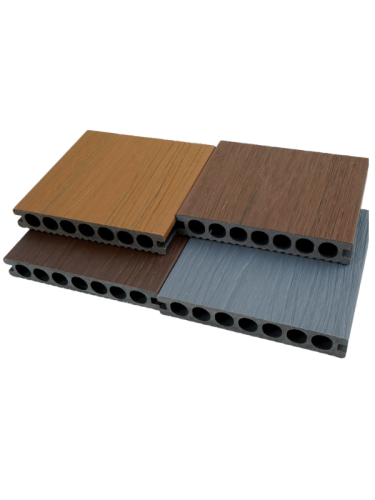
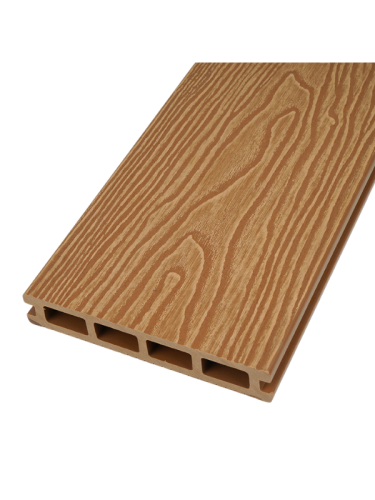
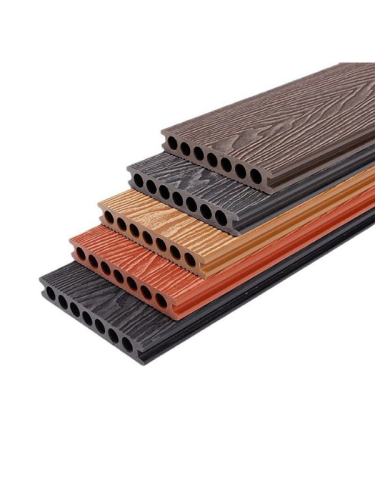
If you’re sourcing WPC decking for a hotel, residential development, commercial project, or distribution channel, BONA supplies factory-direct boards with full QC documentation, consistent color batching, and surface options from embossed wood grain to deep-brushed finishes. Reach out through our contact page for samples, technical drawings, or a project quote — we’re happy to help match the right board to your climate and use case.
-
PVC vs WPC vs SPC Wall Panels: Which One Wins for Your Project?
09 Jun, 2026
-
UV Marble Sheet Buying Guide: How to Source the Right Panels in 2026
09 Jun, 2026
-
UV Marble Panels in Hotel Lobbies: 5 Real Projects That Replaced Real Stone
09 Jun, 2026
-
WPC Decking Maintenance Tips: A Practical Care Guide for Long-Lasting Outdoor Decks
09 Jun, 2026